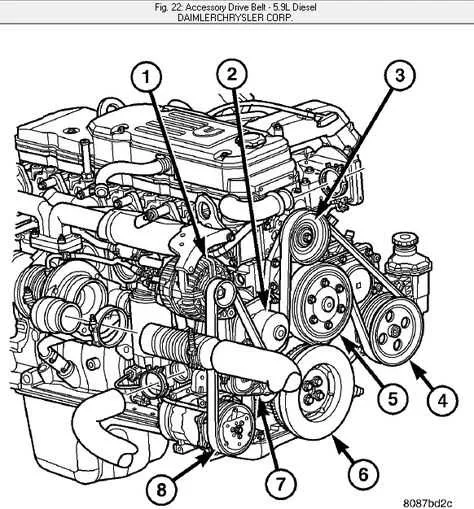
Understanding the correct routing of the serpentine belt is critical for maintaining your 6.7 Cummins engine. A well-functioning serpentine belt ensures all the essential components, like the alternator, power steering pump, and air conditioning compressor, run smoothly. Start by ensuring the belt aligns with all pulleys correctly to prevent slipping or premature wear. The diagram of the serpentine belt will serve as a useful reference for any adjustments or replacements needed.
Follow the diagram closely, paying attention to the tensioner pulley and the way the belt moves around the components. If the belt is too loose or too tight, it can lead to further complications like overheating or damage to engine parts. Regular inspection of the belt’s condition, including checking for cracks or fraying, can prevent costly repairs in the long run.
Replacing the serpentine belt on a 6.7 Cummins engine isn’t overly complicated if you have the right diagram. Make sure to loosen the tensioner pulley correctly before removing the old belt. After installation, verify the belt runs smoothly and is seated properly on all pulleys. This simple maintenance step will keep your engine running efficiently.
Cummins Serpentine Belt Diagram: A Practical Guide
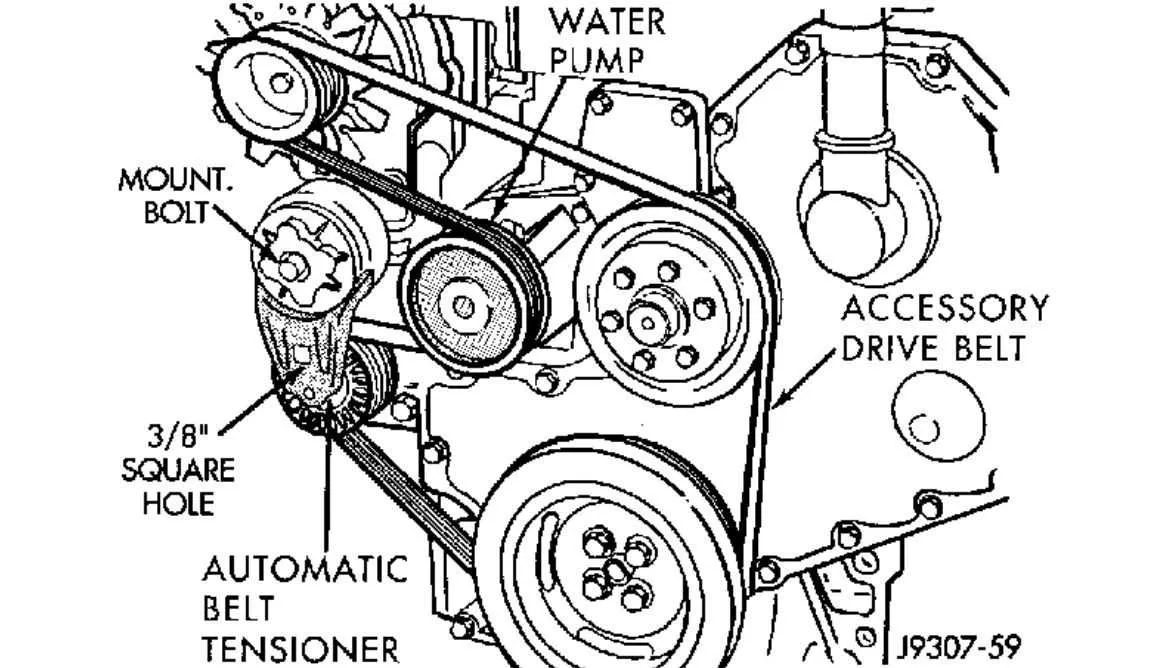
The Cummins serpentine belt system requires precise routing for smooth engine operation. If you’re looking to replace or inspect your serpentine belt, this guide provides a step-by-step breakdown. Follow the diagram closely for proper belt placement to avoid damage to engine components.
Locate the tensioner pulley on the diagram. The tensioner should be relieved with the appropriate tool to remove tension from the belt. Once the tension is released, remove the old belt and inspect it for wear before installing the new one.
The belt should route around the crankshaft pulley, water pump, alternator, and other accessory pulleys. The configuration varies slightly depending on the engine model, so always refer to your specific Cummins engine diagram.
Here’s a simple table showing typical pulley locations and their function in the serpentine system for a 6.7L Cummins engine:
| Pulley | Function |
|---|---|
| Crankshaft Pulley | Drives the belt system |
| Alternator Pulley | Charges the battery |
| Power Steering Pulley | Operates the power steering pump |
| Water Pump Pulley | Circulates coolant through the engine |
| Air Conditioning Pulley | Drives the AC compressor |
| Tensioner Pulley | Maintains proper belt tension |
Make sure to tighten the tensioner after installing the new serpentine belt. Check the belt alignment with the pulleys and ensure it runs smoothly without any slipping or rubbing.
If the belt shows signs of cracking, fraying, or wear, replace it promptly to avoid further damage. Always use the correct belt size and configuration as specified in the manual for your engine model.
Understanding the Components of the 6.7 Cummins Serpentine Belt System
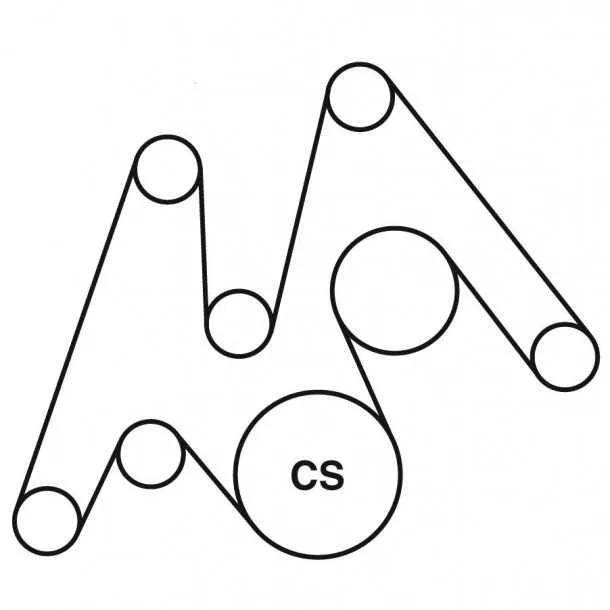
The 6.7 Cummins engine relies on its serpentine belt system to drive several critical components. These include the alternator, power steering pump, air conditioning compressor, and water pump. The belt system is designed to efficiently transfer power from the engine’s crankshaft pulley to these accessories, ensuring proper function and vehicle performance.
The serpentine belt is a single, continuous belt that wraps around multiple pulleys. The tensioner, which maintains the correct tension on the belt, plays a pivotal role in keeping everything running smoothly. If the belt tension is incorrect, it can lead to slipping, premature wear, or even complete failure. Regular inspection and adjustment of the tensioner are necessary to avoid these issues.
The idler pulley supports the serpentine belt by providing an additional guiding surface. It prevents the belt from slipping off the pulleys, which could cause severe damage. Over time, the idler pulley can wear down, resulting in belt misalignment or noise. Replacing the idler pulley before it fails is recommended to avoid unexpected breakdowns.
The crankshaft pulley, a vital part of the system, serves as the primary source of motion for the serpentine belt. Its function is to transfer the engine’s rotational power to the belt. A worn or damaged crankshaft pulley can affect the entire belt system, leading to underperformance or failure of critical engine components.
Replacing the serpentine belt is necessary after certain intervals, typically around 100,000 miles, or sooner if it shows signs of wear such as cracks, fraying, or glazing. A worn belt compromises the performance of all driven accessories and can lead to engine overheating or loss of power steering and braking assistance.
How to Properly Tension and Install the Serpentine Belt on a 6.7 Cummins Engine
Start by ensuring the engine is off and cool. Disconnect the negative battery terminal to avoid any electrical mishaps. The 6.7 Cummins serpentine belt has a specific routing pattern that must be followed for proper operation, so verify the correct belt path by checking the diagram on the engine bay or in the service manual.
Use a serpentine belt tool or a ratchet with the appropriate socket to relieve tension on the belt tensioner. Rotate the tensioner counterclockwise to loosen the belt. Once tension is released, remove the belt from the pulleys carefully.
Inspect the new belt for any damage or defects before installation. When installing the new belt, follow the routing diagram exactly to ensure the belt sits properly on each pulley. Pay special attention to how the belt loops around the tensioner and idler pulleys.
After the belt is in place, check the tension. The belt should be tight enough to prevent slipping but not so tight that it causes undue stress on the pulleys. A good way to check is to press down on the belt halfway between two pulleys. If you can press it more than half an inch, it may need further adjustment.
Once you’re satisfied with the tension, rotate the tensioner back into position, locking the belt into place. Double-check the belt’s alignment and ensure it’s centered on all pulleys.
Reconnect the negative battery terminal and start the engine. Observe the belt in action to make sure it’s running smoothly and properly aligned. If you notice any wobbling or misalignment, turn off the engine and make adjustments.
Common Issues and Troubleshooting for the 6.7 Cummins Serpentine Belt
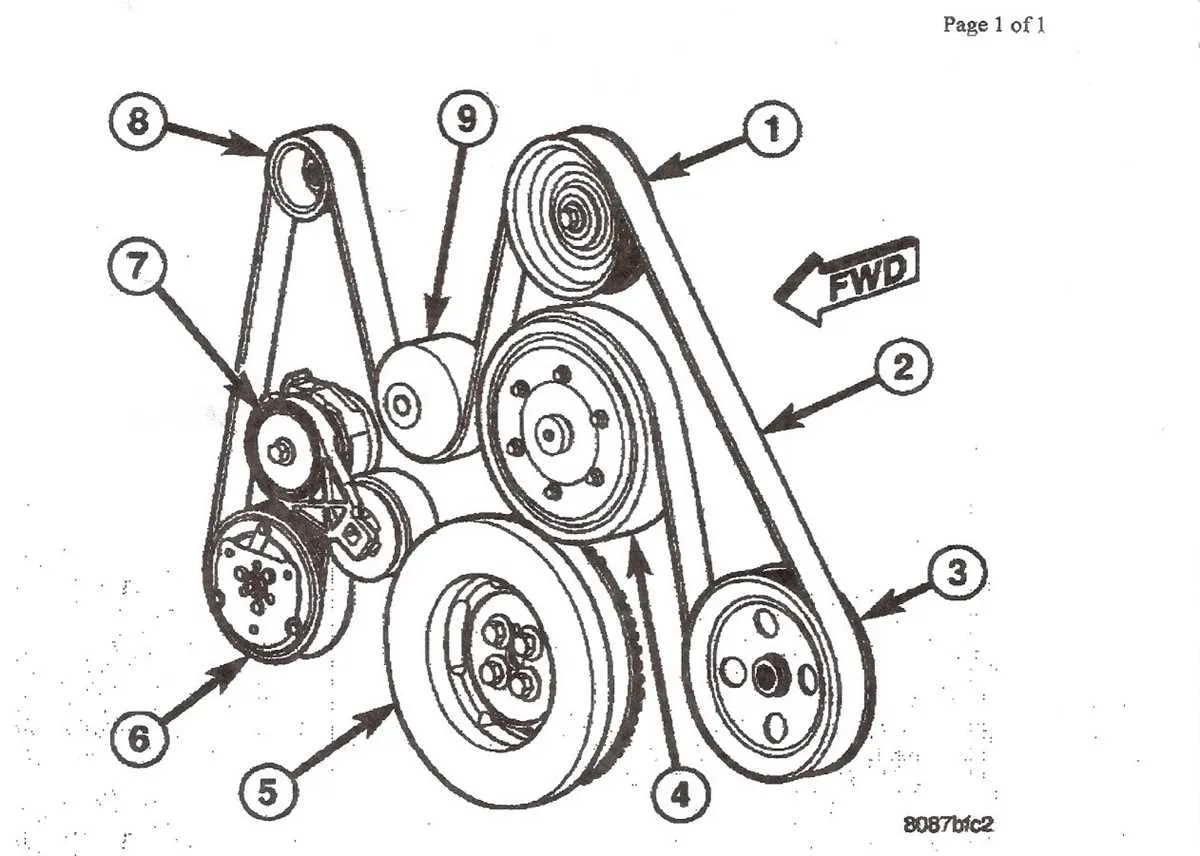
If the serpentine belt on your 6.7 Cummins engine starts to make noise or shows signs of wear, it’s time to investigate further. A squealing noise often indicates that the belt is slipping, which can be caused by low tension or a misaligned component. Check the tensioner for proper operation. If it’s not maintaining sufficient tension, replace it immediately to avoid further damage.
Another common issue is belt wear due to the pulley system. Inspect all pulleys for wear or misalignment. A damaged pulley or a misaligned one can cause uneven wear on the serpentine belt, leading to premature failure. Replace any faulty pulleys as needed to maintain proper belt tracking.
Cracking or fraying of the serpentine belt is another sign that the belt needs replacing. This could be due to age, poor quality, or environmental factors. Always choose a high-quality replacement belt and check the condition of the belt regularly to prevent sudden failures.
Overheating of the engine could be linked to a slipping or worn serpentine belt, especially if it’s responsible for driving the water pump. A malfunctioning belt can disrupt the water pump’s function, leading to overheating. Check for any signs of the belt slipping, and replace it if necessary to avoid engine damage.
If your serpentine belt is still in good condition but you’re experiencing noise, check the pulleys and tensioner. A misaligned or damaged pulley can cause the belt to make noise even when it’s still functional. Re-align or replace pulleys as needed to prevent this issue from reoccurring.
In some cases, the alternator may not charge properly if the belt is slipping. This can lead to a low battery charge and potential engine stalling. Check for proper tension and alignment to ensure the alternator is operating at its full potential.