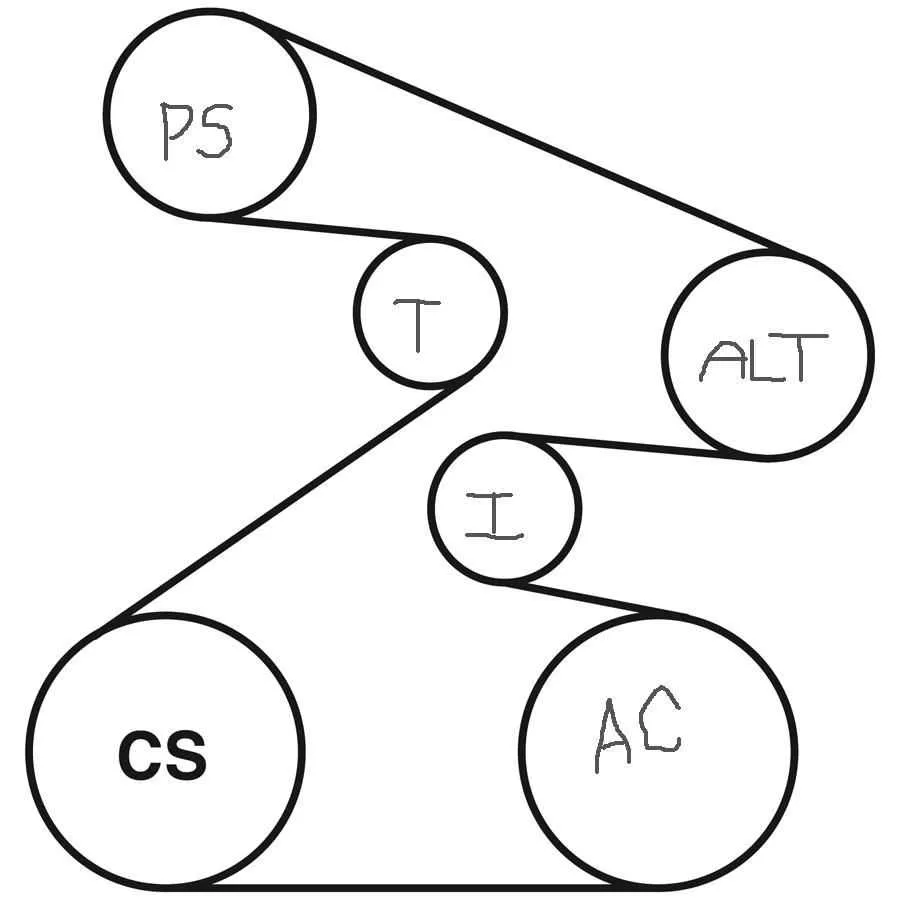
Ensure proper belt routing by following the correct serpentine belt diagram for your Acura TL. This will prevent misalignments and keep the engine running smoothly. Begin by inspecting the current setup, as a misrouted belt can lead to issues such as power steering failure or alternator problems.
Each pulley on the system serves a specific function. The alternator pulley, for example, powers the alternator, while the power steering pulley helps maintain fluid pressure for smooth steering operation. Be sure to align the belt with each component according to the factory specifications to avoid premature wear.
Use the diagram to double-check the path of the belt through each component. A properly tensioned belt is critical to the system’s function. If the belt is too loose or too tight, it could wear out faster or cause additional strain on the pulleys. Regular inspections and adjustments are necessary to keep everything running smoothly.
Acura TL Serpentine Belt Diagram
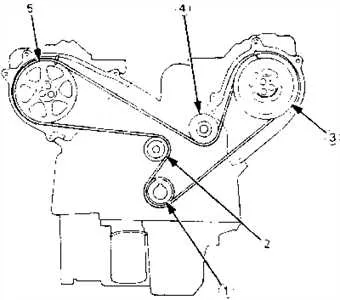
The serpentine belt in an Acura TL is a critical component that drives multiple accessories such as the alternator, power steering pump, and air conditioning compressor. Ensure the belt is routed properly according to the specific diagram for your model year.
Start by locating the belt tensioner, which keeps the serpentine belt tight. Use a wrench or a specific tool to relieve tension from the belt. Once the tension is off, you can carefully remove the belt and check for wear. Refer to the diagram for correct routing to avoid any potential issues with alignment or accessory operation.
For accurate installation, align the belt along the pulleys, making sure it fits securely in each groove. The belt should follow the correct path around the idler pulley, alternator, and AC compressor, as shown in the diagram. Double-check that the belt is neither too loose nor too tight after installation.
Regular inspection of the serpentine belt helps identify cracks, fraying, or other signs of damage. If you notice any issues, replace the belt promptly to prevent more serious engine problems.
Identifying Key Components of the Serpentine Belt System
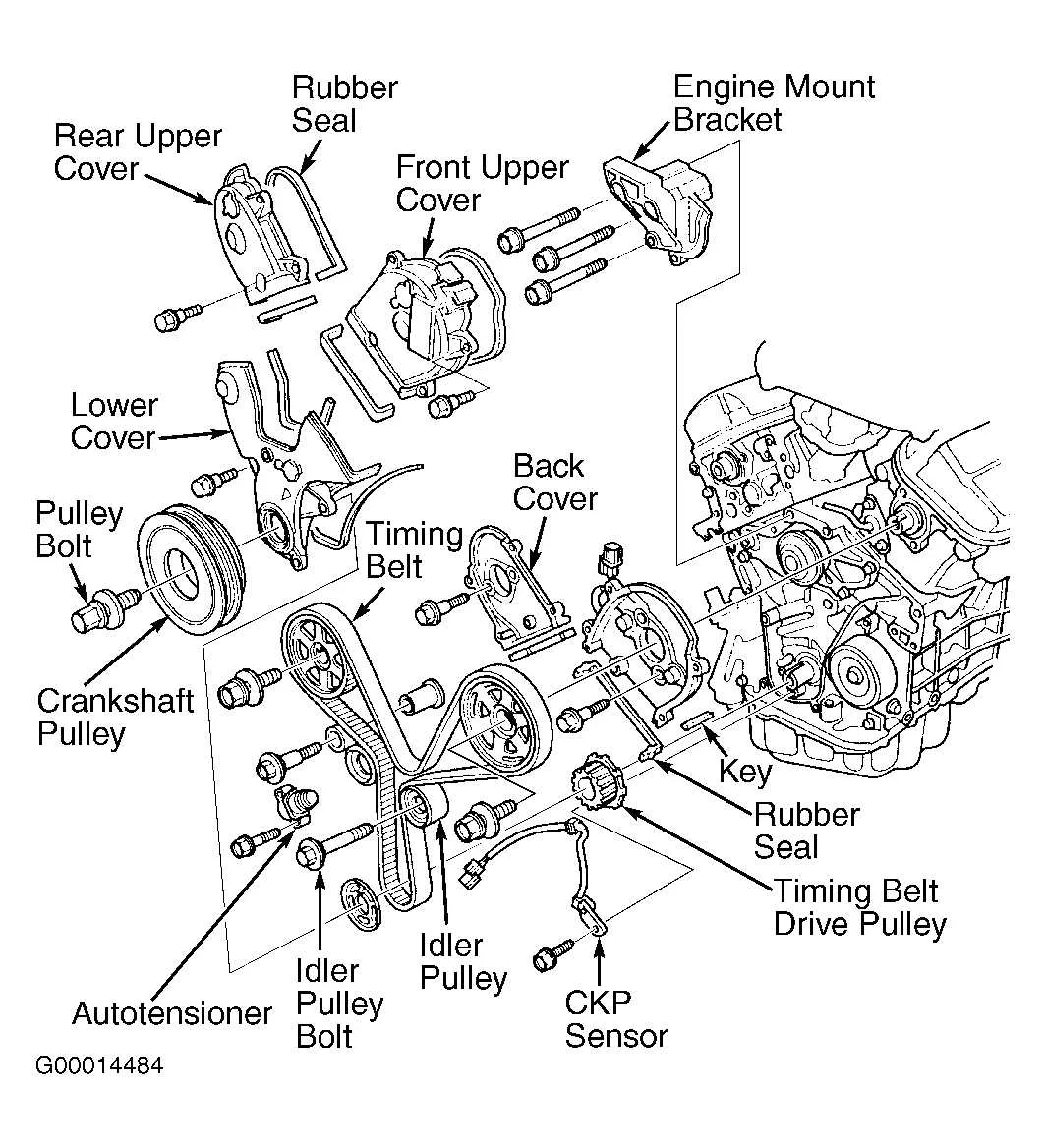
To properly maintain your Acura TL’s serpentine belt system, it’s important to recognize each of its components. The system is designed to drive multiple accessories from a single belt, reducing the engine’s complexity. Here’s a guide to identifying the main parts.
1. Serpentine Belt: The main component, a long, continuous belt, is responsible for transferring power from the crankshaft pulley to various engine accessories, including the alternator, power steering pump, air conditioning compressor, and water pump. The belt should have a consistent tension and be free from cracks or wear signs.
2. Tensioner Pulley: This pulley maintains the correct tension on the serpentine belt. If the tensioner fails, the belt can become loose, leading to poor accessory performance. Check the tensioner’s spring and ensure it moves freely without resistance.
3. Idler Pulley: The idler pulley guides the belt, keeping it aligned along its path. If the pulley becomes worn or misaligned, it can cause the belt to slip or wear prematurely. A smooth, quiet operation is key to its function.
4. Crankshaft Pulley: The crankshaft pulley drives the serpentine belt, turning it as the engine operates. Ensure the pulley is securely mounted and that it does not show any signs of damage or misalignment.
5. Alternator Pulley: The alternator pulley is crucial for generating power to recharge the vehicle’s battery. It should be free of any debris or corrosion that might affect its ability to turn smoothly.
6. A/C Compressor Pulley: The A/C compressor pulley is connected to the air conditioning system. If your vehicle has air conditioning, inspect this pulley to ensure it isn’t worn or damaged, as this could lead to A/C issues.
Regular inspection of these components will ensure the serpentine belt system functions properly, helping to avoid costly repairs down the road.
Step-by-Step Belt Routing for Acura TL Models
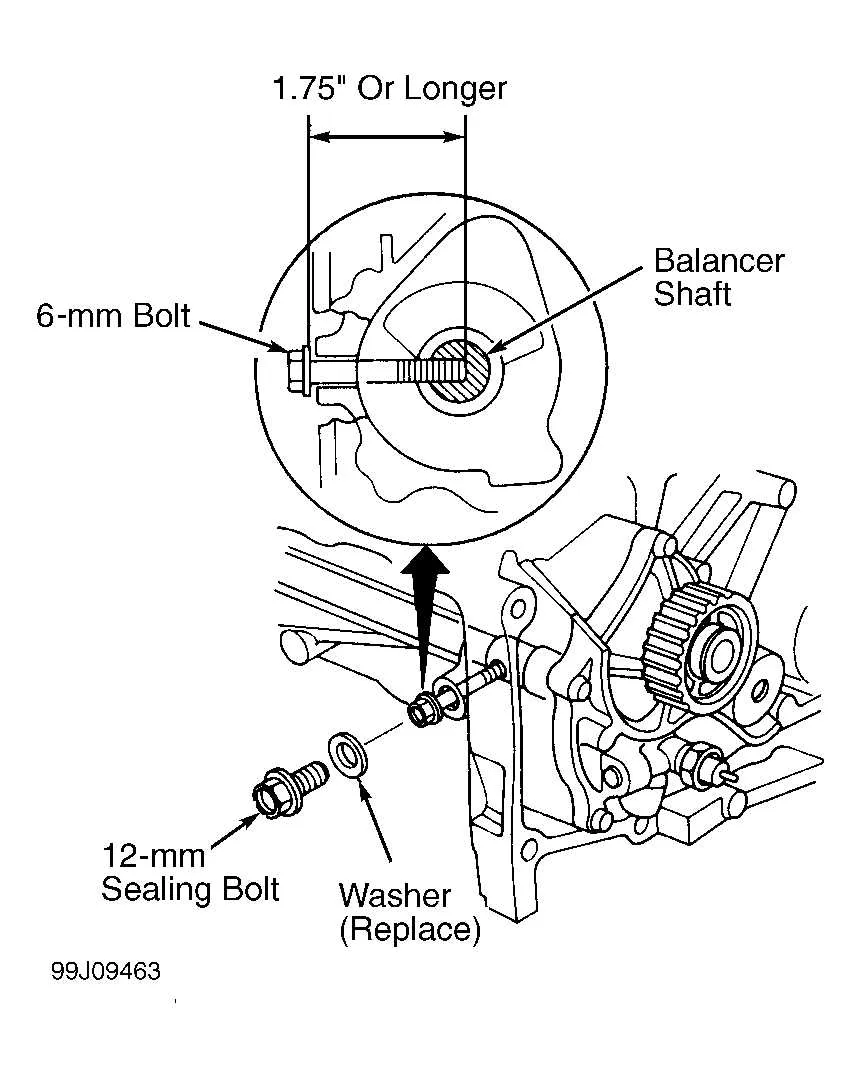
To correctly route the serpentine belt on your Acura TL, start by identifying the components it needs to pass through. These include the alternator, power steering pump, air conditioning compressor, and the tensioner pulley. Make sure the engine is off and cool before starting the process to avoid any injuries or damage.
First, locate the tensioner pulley on the engine. Use a wrench to relieve the tension on the belt and remove the old serpentine belt. Inspect all pulleys for wear or damage. If any are worn, replace them before routing the new belt.
Next, align the new belt on the pulleys starting with the crankshaft pulley. Follow the diagram specific to your Acura TL model to ensure proper routing. Pay close attention to the routing around the alternator, power steering, and air conditioning pulleys. Each model may have slight variations in the routing, so consult the owner’s manual or a repair guide for specific instructions.
After the belt is routed, ensure it’s properly seated on all pulleys. Double-check the belt tension; it should be snug but not overly tight. Use the tensioner pulley to adjust the tension if needed. Finally, rotate the engine by hand a few times to ensure the belt moves freely and does not slip off the pulleys.
If the belt aligns properly and the tension is correct, start the engine and check for any unusual sounds or issues. Make sure the belt is running smoothly, and everything is functioning as expected.
Troubleshooting Common Serpentine Belt Issues
If your Acura TL’s serpentine belt is making noise, squealing, or showing signs of wear, quick action is required. Follow these steps to identify and solve common issues:
- Squealing Noise: This often indicates a loose belt or worn-out tensioner. Inspect the tensioner for proper tension and ensure it’s not slipping. If the belt feels loose, replace the tensioner or adjust the tension.
- Crumbling or Fraying Belt: A belt that is worn out or damaged can affect engine performance. Replace the serpentine belt immediately if you notice cracks or fraying along the edges.
- Grinding or Hissing Sounds: A misaligned belt could be the culprit. Examine the belt’s alignment by checking the pulleys. If they’re not properly aligned, adjust or replace the pulley system as needed.
- Belt Slipping: Slippage occurs if the belt is too loose or the pulley is malfunctioning. Tighten or replace the belt as necessary, or check for worn pulleys that may need to be replaced.
- Warning Light on Dashboard: If the serpentine belt is failing, the dashboard may display a battery light or an engine warning light. Inspect the belt for wear or damage, and ensure it’s not too loose. Replacing the belt is typically required in this case.
Regular maintenance and timely inspection of the serpentine belt can help prevent these issues from affecting your vehicle’s performance.