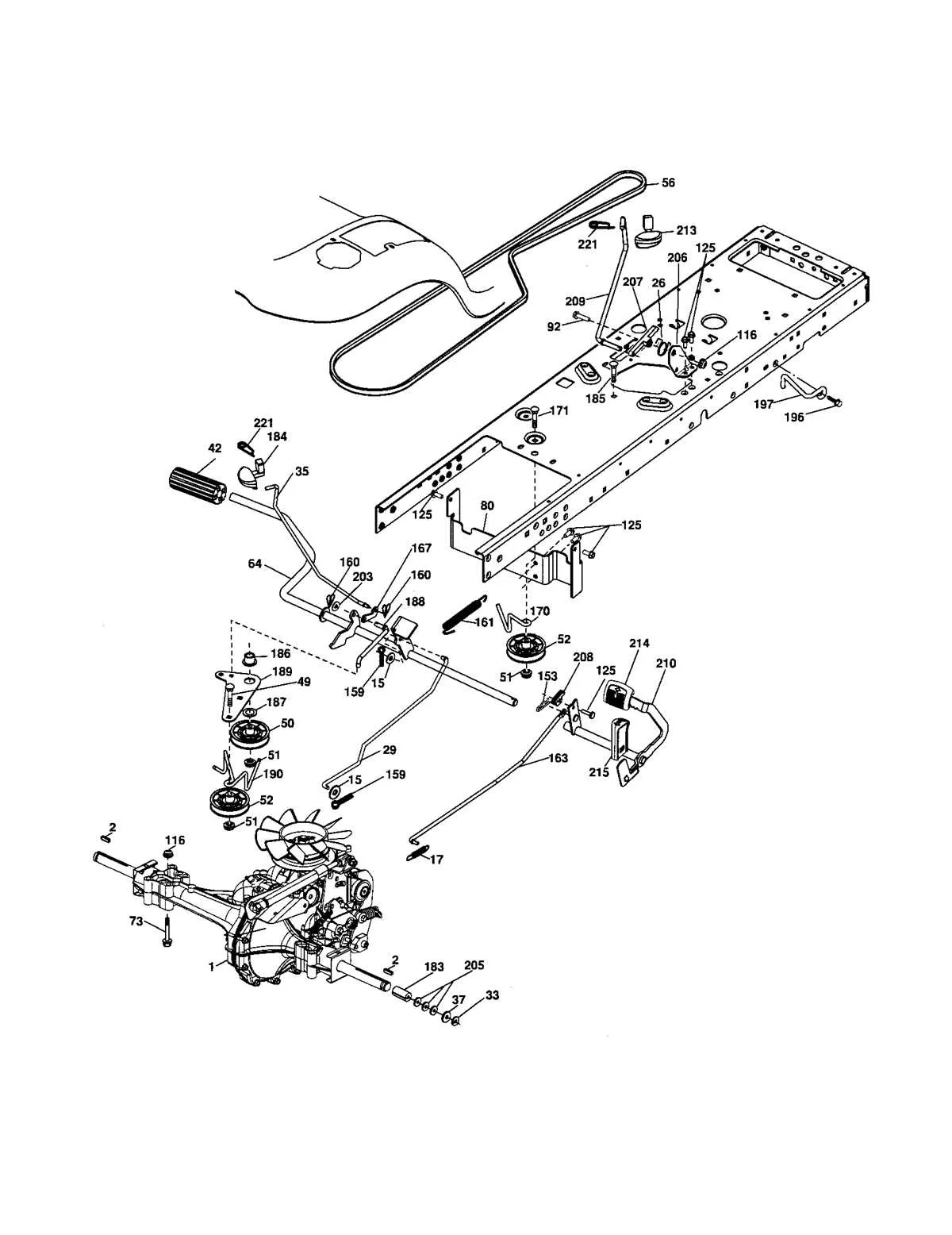
Understanding the belt system in your Husqvarna YTH18542 lawn tractor is key to maintaining smooth operation and preventing costly repairs. A clear and precise belt diagram will guide you through the proper configuration, ensuring that all components are properly aligned and functioning optimally.
The belt connects various moving parts of the tractor, such as the engine, transmission, and mower deck. If the belt is worn, damaged, or misaligned, it can cause significant performance issues, like reduced cutting efficiency or even complete failure of the tractor’s drive system. Referencing a reliable belt diagram ensures that you replace or adjust the belt correctly, keeping your tractor running smoothly for years.
When examining the diagram, pay attention to the routing of the belt, as well as the orientation of the pulleys and tensioners. These details are crucial for proper tensioning and to avoid unnecessary wear on the belt. It’s also important to use the recommended belt replacement parts to maintain optimal performance.
By following the belt diagram and performing regular checks, you’ll increase the lifespan of your Husqvarna YTH18542 and enjoy a hassle-free mowing experience. If you’re not familiar with belt maintenance, consider consulting the user manual or seeking assistance from a professional technician to ensure everything is properly configured.
Husqvarna YTH18542 Belt Diagram: Practical Guide
To maintain your Husqvarna YTH18542 lawn tractor, knowing the belt configuration is a must. A correct belt layout ensures proper functioning and avoids premature wear or damage. First, always check the condition of the belts before replacing them. Worn or frayed belts should be replaced immediately to prevent further issues.
The Husqvarna YTH18542 has two primary belts: the drive belt and the deck belt. The drive belt connects the engine to the rear wheels, while the deck belt transmits power to the mower blades. If either belt becomes misaligned or damaged, it can cause a loss of power, making your lawn mower ineffective.
For proper belt routing, consult the specific diagram for your model. The drive belt should loop around the engine pulley, through the tensioner, and connect to the transmission pulley. The deck belt runs from the engine pulley, over the idler pulleys, and connects to the blade spindles.
When replacing the belts, ensure they are installed in the exact configuration shown in the manual diagram. Incorrect installation can lead to belt slippage, premature wear, or complete failure of the system. Tension should be checked regularly, as under-tightened belts may slip, and over-tightened belts can cause excessive strain on the components.
Regular maintenance involves checking for any debris that might obstruct belt movement. Clean the belts and pulleys to prevent any blockages. Keep the belts free from oil and other contaminants to maintain their grip and longevity.
Before starting any repair work, always disconnect the battery to avoid any accidental starts. If unsure about the process, refer to the owner’s manual for the exact specifications or contact a qualified service professional to ensure everything is set up properly.
Identifying Belt Components in the Husqvarna YTH18542
Locate the belt’s main components: the drive belt, pulleys, and idler arm. The drive belt transfers power from the engine to the transmission. Start by identifying the large pulleys on either side of the mower. These pulleys are attached to the engine and transmission shafts, and they guide the belt’s path.
The idler pulley, located near the transmission, helps maintain tension on the drive belt. It adjusts the belt’s tightness, ensuring smooth operation. Make sure the idler arm moves freely and does not obstruct the belt’s motion.
Inspect the belt itself for signs of wear, cracks, or damage. A worn belt will not transfer power efficiently, leading to performance issues. If the belt looks worn out, replace it with a genuine Husqvarna part for the best fit.
Check the tension of the belt by pressing on it. If it deflects too much, the tension might be too loose, requiring adjustment of the idler arm. Proper belt tension ensures optimal performance and prevents slippage.
Step-by-Step Instructions for Belt Installation
1. Begin by lifting the front of the mower using a jack or a lift to create ample space for the belt installation. Make sure the machine is stable before proceeding.
2. Remove the mower deck. Typically, this involves disconnecting the pins and lowering the deck to the ground.
3. Once the deck is detached, locate the old belt. Check the belt routing diagram for your Husqvarna YTH18542 model to ensure correct placement of the new belt.
4. Loosen the tension on the existing belt by disengaging the belt tension spring. You may need to use pliers to carefully detach the spring from its hook.
5. Remove the old belt from the pulleys. Start with the easiest accessible pulley and work your way through the system. Take note of the order of the pulleys to help with reinstallation.
6. Install the new belt by following the routing diagram closely. Start by threading the belt over the engine pulley, and then guide it around the other pulleys and spindles in the correct sequence.
7. Reattach the tension spring to provide the necessary pressure to the belt. Make sure the belt is tight but not overly stretched.
8. Reinstall the mower deck, ensuring it is properly aligned with the frame. Secure it by fastening the deck pins or bolts.
9. Test the belt by manually rotating the pulleys. This will confirm that the belt is properly aligned and has the correct tension.
10. Finally, lower the mower and check the belt’s functionality while operating the mower at a slow speed to ensure smooth operation.
Common Belt Issues and How to Resolve Them
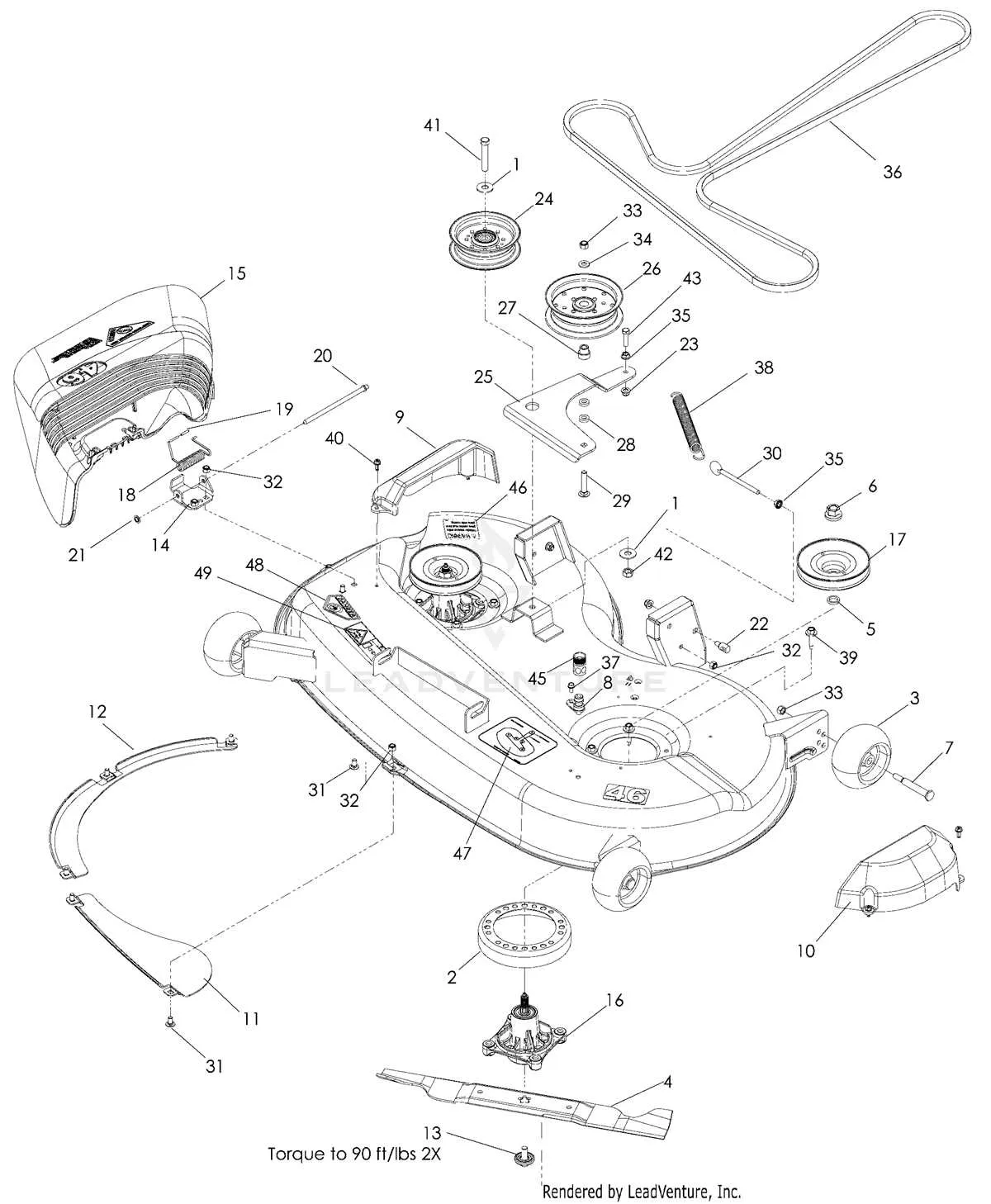
If the mower belt on your Husqvarna YTH18542 is slipping or not working properly, inspect it immediately. One common issue is a worn-out or frayed belt, which can cause slipping or skipping. Replace the belt if you notice visible signs of wear or damage.
Another frequent problem is a misaligned belt. This can happen if the pulley system is not properly positioned, leading to uneven tension or belt wear. To fix this, check the alignment of the pulleys and make sure they are securely fastened. Adjust them as needed to ensure the belt runs smoothly across the system.
Incorrect tension also causes problems. A loose or overly tight belt will either slip or wear out prematurely. Check the tensioner to see if it’s working as intended. Adjust the tension by either tightening or loosening the relevant components according to the manufacturer’s specifications.
Debris buildup on the belt or pulleys can interfere with normal operation. Clear any grass, dirt, or other material that may have accumulated. This ensures proper belt movement and helps prevent unnecessary friction, which can cause premature wear.
Finally, consider checking the quality of the replacement belt. Not all belts are made the same, and using a poor-quality one may lead to ongoing issues. Always choose OEM (Original Equipment Manufacturer) belts that are designed for your specific model for the best fit and longevity.