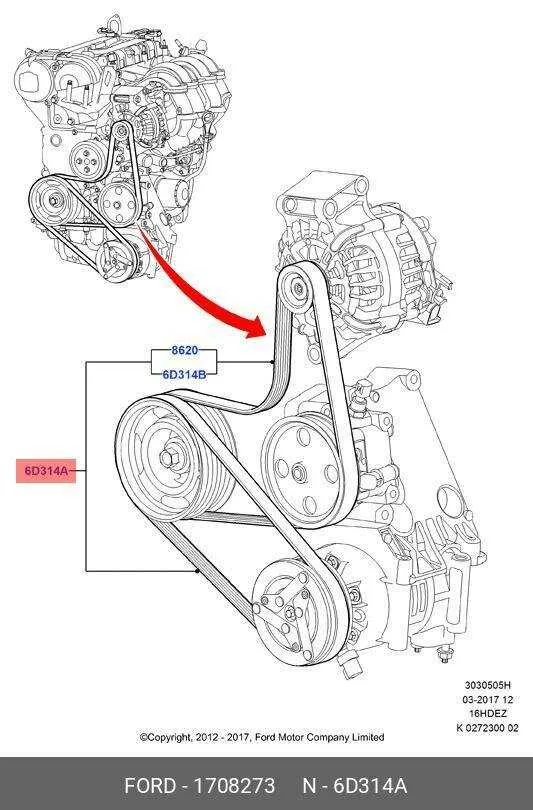
The drive belt diagram for your Ford Focus is crucial for ensuring the proper functioning of the engine components. It provides a clear guide for routing the serpentine belt, helping avoid issues such as slipping or misalignment. If you’re facing issues with your belt, refer to the diagram to double-check the setup.
For a correct installation, follow the belt routing path shown in the diagram to ensure the smooth operation of the alternator, power steering, air conditioning, and other components. Make sure the belt is securely tensioned to prevent premature wear or failure.
If you’re replacing the belt, it’s a good idea to inspect other related components, like pulleys and tensioners, as they can cause wear to the new belt if they’re damaged or worn out. Use a diagram to guide you through each step, from removing the old belt to fitting the new one in the correct position.
Ford Focus Drive Belt Diagram
The drive belt in the Ford Focus plays a vital role in powering various engine components such as the alternator, power steering pump, and air conditioning compressor. To avoid unnecessary breakdowns, it’s important to ensure the belt is routed correctly and in good condition.
Start by locating the drive belt on the engine. Typically, it runs from the crankshaft pulley, wrapping around the various accessories. A belt diagram specific to your Ford Focus model will show the precise routing, helping to visualize how the belt interacts with the engine components.
To identify issues with the drive belt, look for signs of wear such as cracks, fraying, or squeaking noises. If the belt appears damaged, it is recommended to replace it immediately to prevent more serious engine issues. A typical replacement involves loosening the tensioner, removing the old belt, and installing a new one according to the diagram’s routing instructions.
For the exact routing, refer to the diagram located on the engine bay or in the vehicle manual. Each model year may have slight variations, so check the specific year of your Ford Focus to ensure proper belt placement.
Ensure the tensioner is adjusted correctly after replacement. An improperly tensioned belt can lead to premature wear or failure. Always test the belt’s tension by pressing it midway between pulleys; it should deflect slightly but not be too loose or too tight.
How to Identify the Correct Drive Belt for Ford Focus
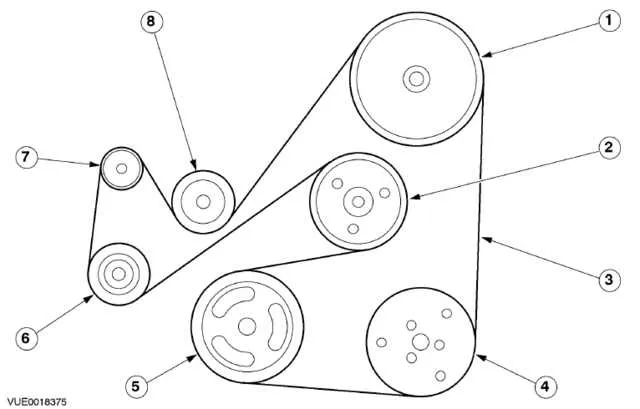
Check your vehicle’s manual for the exact specifications of the drive belt. The belt’s length, width, and number of grooves must match the original part.
Inspect the belt type for your Ford Focus model. Different models use either a serpentine belt or a V-belt. The serpentine belt is commonly used in newer vehicles, while older models might have a V-belt system.
Examine the engine compartment for the label or sticker that lists the correct belt dimensions. This can often be found near the front of the engine bay or around the radiator support.
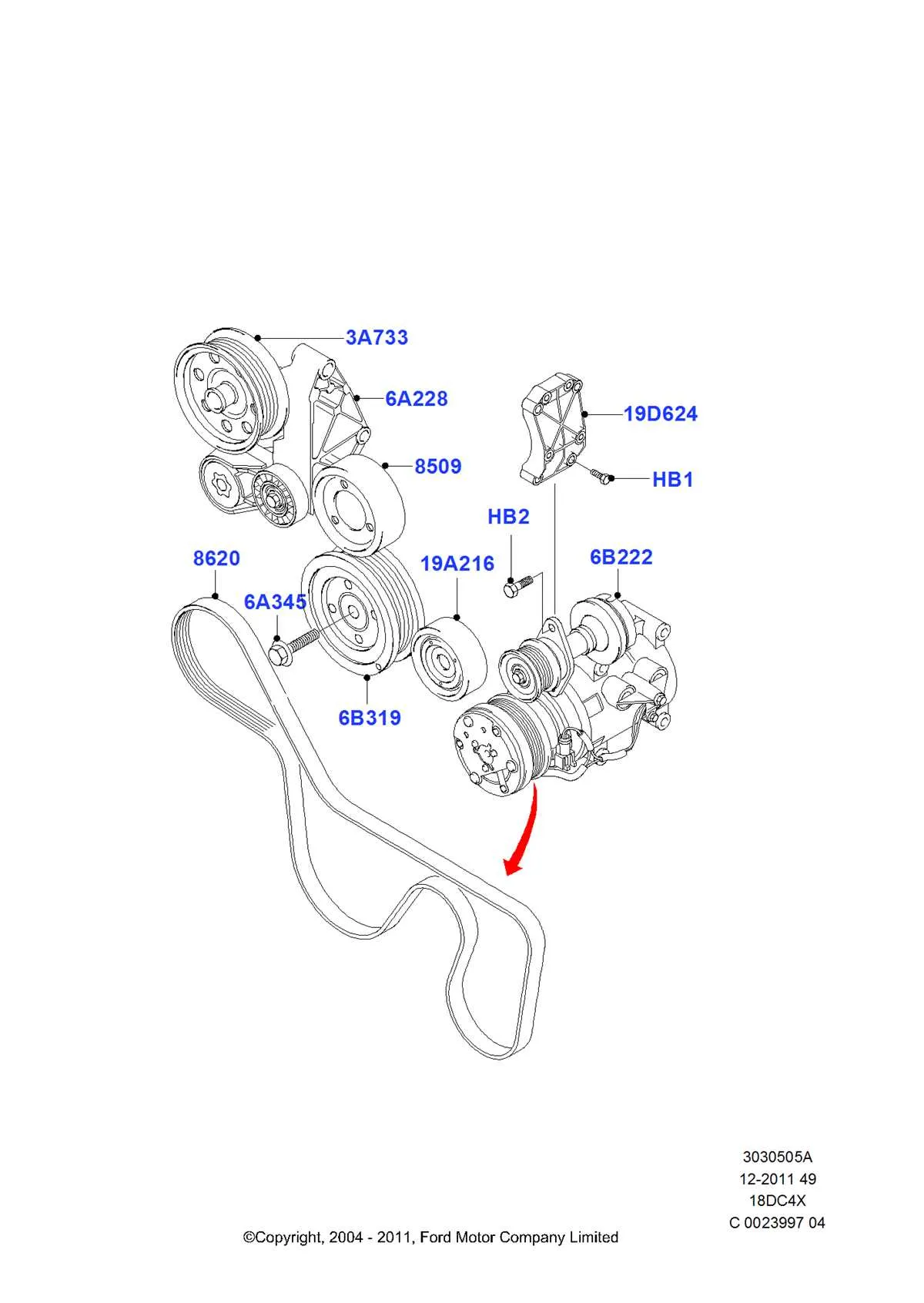
Verify the part number from the manufacturer or parts supplier. Compare this number with online parts catalogs or consult with an automotive store to ensure compatibility with your specific Focus model year.
Double-check the pulley configuration. Incorrect routing of the belt can lead to wear and damage. Refer to the Ford Focus belt diagram for accurate routing instructions to avoid installation mistakes.
Step-by-Step Instructions for Replacing the Drive Belt on a Ford Focus
Begin by securing the vehicle. Park the Ford Focus on a flat surface and engage the parking brake. Allow the engine to cool completely to avoid burns.
Locate the drive belt. Open the hood and find the drive belt, typically positioned near the front of the engine. Inspect the belt for visible wear, cracks, or damage before proceeding.
Remove the engine cover. Use a wrench or screwdriver to remove any fasteners securing the engine cover. Set the cover aside to gain access to the drive belt area.
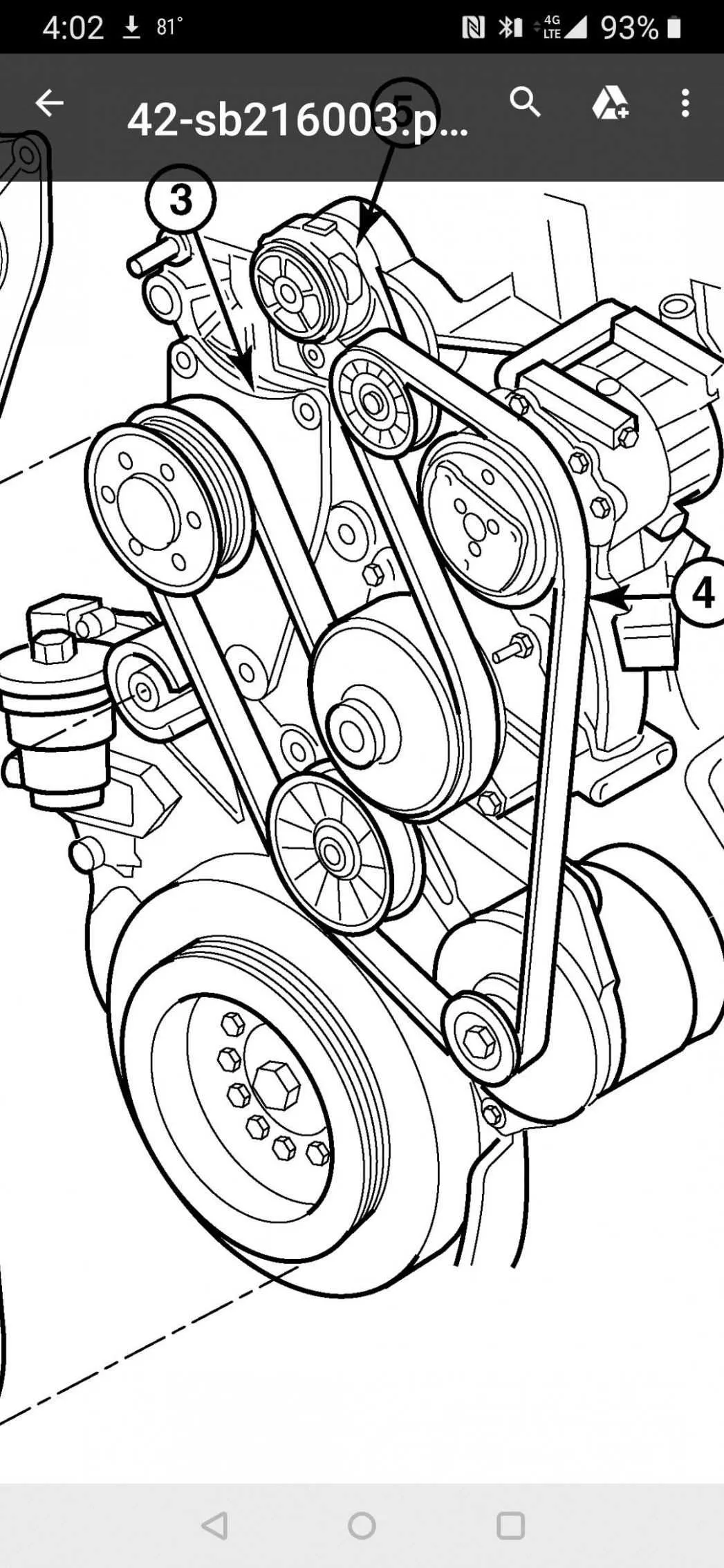
Release the tension on the belt. Using a wrench, turn the tensioner pulley in the direction specified in the vehicle’s manual. This will relieve the tension and allow you to remove the belt easily.
Remove the old drive belt. Carefully slip the belt off the pulleys, starting from the top. Take note of the belt’s routing for reference when installing the new one.
Install the new drive belt. Place the new belt onto the pulleys, following the exact routing of the old belt. Make sure the belt fits snugly on each pulley without twists or slack.
Reapply tension to the belt. Turn the tensioner pulley to reapply tension to the new belt. Ensure the belt is taut but not overly tight.
Check the belt alignment. Double-check the belt’s positioning on each pulley to make sure it is aligned correctly. The belt should run in a straight line without any slippage.
Reassemble the engine components. Replace the engine cover and secure it with the fasteners you removed earlier. Double-check that everything is in place.
Start the engine. Turn on the engine and listen for any unusual noises. If the belt is installed correctly, the vehicle should run smoothly without squeaking or slipping.
Troubleshooting Common Drive Belt Issues in Ford Focus
If you notice unusual noises or a decrease in performance, it’s likely that your drive belt is the culprit. The following issues are commonly seen with the Ford Focus drive belt:
- Squealing or Chirping Sounds: This usually occurs when the belt is worn or loose. Check the belt for any visible signs of cracking or fraying. Tighten or replace the belt if necessary.
- Belt Slippage: Slippage happens when the belt doesn’t maintain proper tension, affecting the operation of the alternator, power steering, and other components. Inspect the tensioner pulley and belt for damage or wear. Replace the tensioner if it shows signs of malfunction.
- Broken or Frayed Belt: A belt that has broken or shows fraying can cause a loss of power to essential components. If you notice significant damage to the belt, replace it immediately to avoid further issues.
- Overheating: The drive belt could overheat due to excess friction, especially if it’s too tight. Check the belt alignment and make sure it’s routed correctly. If the belt has become excessively tight, adjust the tensioner.
- Noisy Pulley: A worn pulley bearing can cause a grinding or squeaking sound. Inspect the pulleys for wear and replace any that show signs of damage or excessive noise.
Regularly inspect the drive belt for signs of wear and damage. Replacing the belt at the first sign of trouble can prevent further damage to your engine components. Always consult your vehicle manual for the recommended replacement interval for the drive belt.