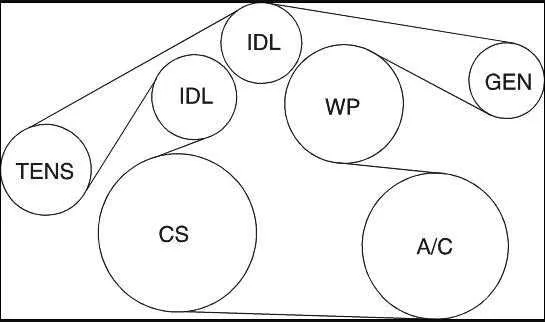
The serpentine belt system in the 2012 Jeep Wrangler plays a key role in driving multiple engine accessories, including the alternator, power steering pump, air conditioning compressor, and water pump. Proper routing and tensioning of the serpentine belt ensure these components operate efficiently. If your vehicle shows signs of poor engine performance, squealing noises, or power loss to accessories, it could be a sign that the belt needs attention. Replace it as needed to prevent further damage to the engine components.
First, ensure that you have the correct belt length and type for your Wrangler model. For the 2012 model, the serpentine belt is typically 7 rib, with a length of around 92.6 inches. It’s crucial to follow the exact routing instructions, as an incorrect setup can lead to malfunctioning accessories or even engine damage. Refer to the diagram specific to your engine variant (either 3.6L V6 or 3.8L V6), as the routing paths may differ slightly between engine configurations.
Before installation, inspect the tensioner and pulleys for signs of wear or damage. If any components show significant wear, replace them before installing a new belt. Always ensure the belt is routed through the correct pulleys in the order shown in the diagram, making sure it fits snugly and has the right amount of tension. This simple maintenance step can significantly extend the life of your vehicle’s engine accessories.
2012 Jeep Wrangler Serpentine Belt Diagram
The serpentine belt on a 2012 Jeep Wrangler is responsible for driving multiple accessories like the alternator, power steering pump, air conditioning compressor, and water pump. Correct installation and tensioning of the belt are critical for proper vehicle performance. The serpentine belt is routed through various pulleys, with the belt’s tension maintained by an automatic tensioner. Incorrect routing can lead to premature wear or failure of components.
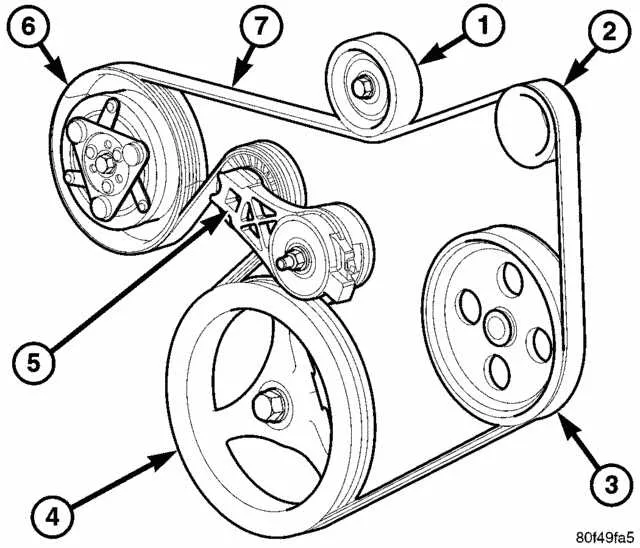
Refer to the diagram for the correct serpentine belt routing. Start by locating the tensioner pulley on the engine. The belt should be routed over the alternator, under the power steering pulley, around the air conditioning compressor, and over the water pump pulley. The final routing step involves the belt passing over the crankshaft pulley. Ensure the belt fits snugly over each pulley without any slack or twists.
When replacing the serpentine belt, use the appropriate belt length and size as specified in the vehicle manual. A common issue with worn-out belts includes fraying, cracking, or visible damage to the rubber. If the belt has any signs of wear, replace it immediately to avoid further damage to the engine components.
Always use a ratchet wrench or serpentine belt tool to release tension from the tensioner pulley when removing or installing the belt. Double-check the belt routing before starting the engine to ensure proper installation and avoid damage to the engine’s accessories.
Step-by-Step Serpentine Belt Routing for 2012 Jeep Wrangler
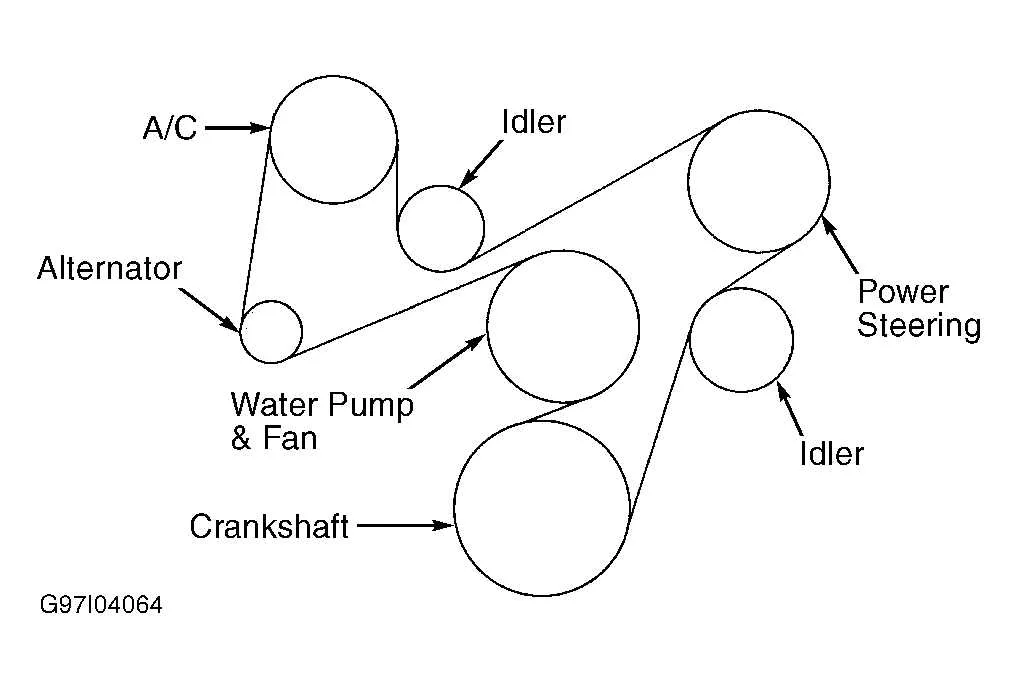
To properly route the serpentine belt on a 2012 Jeep Wrangler, follow these steps:
1. Locate the belt diagram: The belt routing diagram is typically found on the radiator support or on the front of the engine. Ensure you have a clear view of the entire diagram before proceeding.
2. Release tension from the belt: Use a serpentine belt tool or a ratchet wrench to rotate the tensioner pulley. This will loosen the belt enough to remove it. Make sure to rotate the tensioner in the correct direction indicated on the pulley itself.
3. Remove the old serpentine belt: Once the tension is released, slide the belt off the pulleys. Begin with the easiest pulley to access, typically the alternator or power steering pulley, and work your way around.
4. Install the new serpentine belt: Starting at the crankshaft pulley, carefully route the new belt according to the diagram. Ensure the belt sits in the grooves of all pulleys without being twisted.
5. Check belt placement: Before releasing the tensioner, double-check that the belt is properly aligned on all pulleys. Any misalignment could cause premature wear or failure.
6. Reapply tension: Slowly release the tensioner to apply tension to the new belt. The tensioner should automatically adjust to the correct tension.
7. Inspect the belt: After installation, check the belt’s position and make sure it moves freely without any unusual noises. Start the engine and observe the belt’s operation for any signs of slipping or misalignment.
Common Issues with Serpentine Belt in 2012 Jeep Wrangler
Cracking and Fraying: One of the most common issues with the serpentine belt in the 2012 Jeep Wrangler is cracking or fraying. This typically occurs due to age, wear, or exposure to heat. Cracks along the surface of the belt can cause it to slip, leading to reduced performance or even complete failure. Inspect the belt regularly for signs of damage, especially if the vehicle has been used for heavy-duty off-roading.
Squealing Noise: A squealing noise when starting the engine or during acceleration often signals a loose or worn serpentine belt. The tensioner may no longer be providing enough pressure, causing the belt to slip. Tighten the belt or replace the tensioner to restore normal operation.
Glazing: Glazed serpentine belts result from excessive heat buildup. The belt surface becomes shiny, and this reduces the friction required for proper grip. If you notice a glossy appearance on the belt or experience slippage, it’s time to replace the belt and check the pulleys for any misalignment.
Damage to Pulleys: Worn pulleys or damaged bearings can cause the serpentine belt to wear unevenly. Misaligned or stuck pulleys can lead to premature belt wear. Inspect the pulleys for any signs of rust, wear, or failure and replace them as needed to prevent further damage to the belt.
Shredding: A serpentine belt that begins to shred is a serious issue. Shredding often results from an over-tightened belt or a malfunctioning pulley. If this occurs, inspect the entire serpentine system and replace any faulty components to avoid engine damage.
Poor Tensioner: If the tensioner is faulty, the serpentine belt will not maintain the correct tension, causing it to slip or wear unevenly. A faulty tensioner often leads to premature belt failure. Replace the tensioner to ensure the belt operates under the right tension.
How to Replace the Serpentine Belt on a 2012 Jeep Wrangler
First, gather the necessary tools: a socket set, a ratchet wrench, and a serpentine belt tool. Make sure you have a replacement belt that matches the original specifications for the 2012 Jeep Wrangler.
1. Locate the serpentine belt: Open the hood and find the belt on the front of the engine. The diagram for the belt routing is typically located near the radiator or on the engine bay’s support bracket.
2. Release the tension: Use a serpentine belt tool or a socket wrench to rotate the tensioner pulley counterclockwise. This will release the tension on the belt and allow you to remove it easily.
3. Remove the old belt: Once the tension is relieved, carefully slip the belt off the pulleys. It’s important to follow the path outlined in the routing diagram to avoid confusion later when installing the new belt.
4. Install the new belt: Start by looping the new serpentine belt over the pulleys in the same configuration as the old one. Double-check the routing diagram to ensure accuracy. Make sure the belt is properly seated on each pulley, especially on the grooves of the alternator and power steering pump.
5. Reapply tension: Once the belt is correctly positioned, use the serpentine belt tool or wrench to rotate the tensioner pulley and apply tension to the belt. Ensure the belt is snug and aligned properly along all pulleys.
6. Inspect the installation: Manually rotate the engine by hand to ensure the belt is seated correctly and not slipping off any pulleys. Double-check for any slack or misalignment.
7. Test the engine: Start the engine and let it run for a few minutes. Check for any unusual sounds or signs that the belt is not properly aligned. If everything runs smoothly, you’ve successfully replaced the serpentine belt.