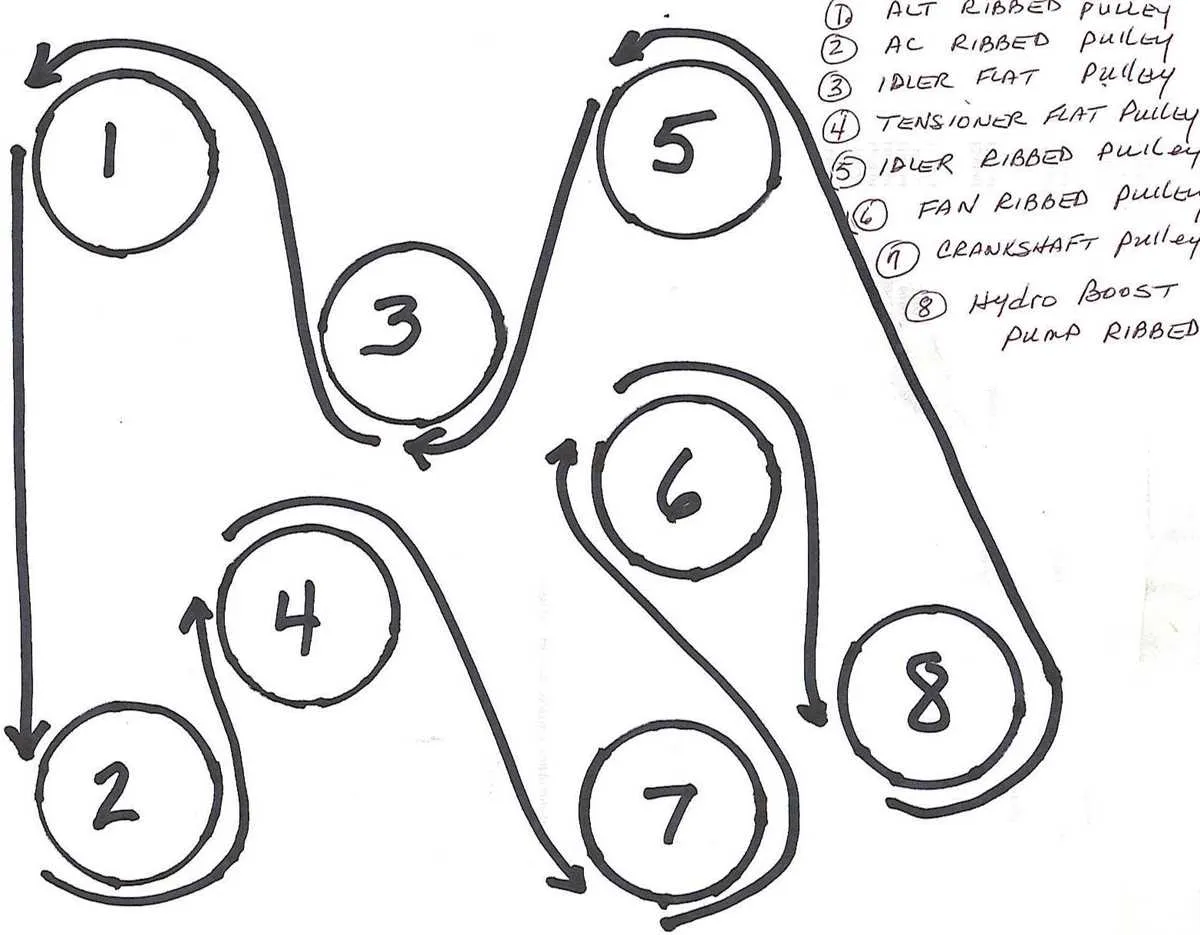
Follow the Ford 3.7 belt diagram closely to ensure accurate serpentine belt routing. The belt drives multiple accessories, including the alternator, power steering pump, and air conditioning compressor, so correct placement prevents premature wear and mechanical failures.
The diagram shows the belt path around each pulley with precise alignment. Use this as a reference during installation or replacement to avoid slipping or noise issues. Keep tensioner position and pulley size in mind, as they influence belt fit and tension.
Always compare the diagram with your vehicle’s setup, as minor variations may occur between model years. Use high-quality belts matching OEM specifications for durability and performance. Check for proper tension after installation to maintain smooth operation.
Ford 3.7 Belt Diagram
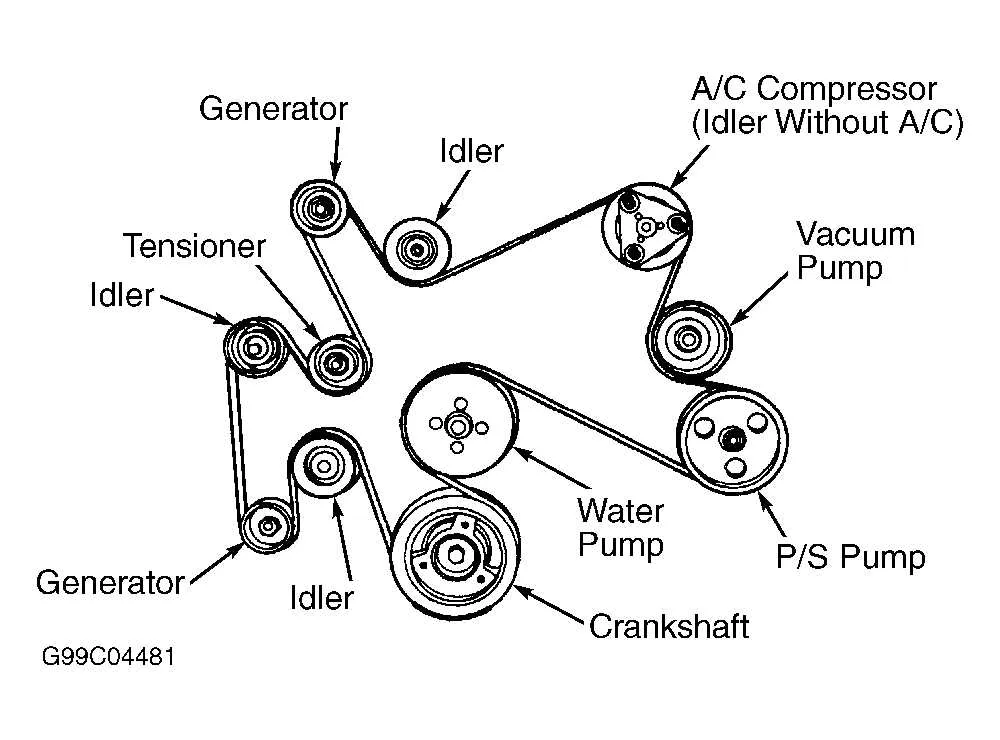
The Ford 3.7L V6 engine uses a single serpentine belt that drives the alternator, water pump, power steering pump, and air conditioning compressor. Position the belt starting from the crankshaft pulley at the bottom center, wrapping around the water pump pulley on the upper left, then over the alternator pulley on the top right. Next, route the belt down to the power steering pump pulley on the lower right side before returning to the crankshaft pulley.
Ensure the belt sits properly in each pulley groove without twisting. Tension the belt using the automatic tensioner located near the power steering pump; this keeps the belt tight and prevents slipping. Check the tensioner pulley for smooth rotation and wear during installation.
Replace the belt if it shows cracks, fraying, or glazing. Align the belt according to the exact pulley layout to avoid premature wear. A clear belt routing diagram sticker usually appears under the hood or in the owner’s manual, but following this routing pattern will help correct installation if the original diagram is missing or damaged.
Identifying Correct Belt Routing for Ford 3.7 Engine
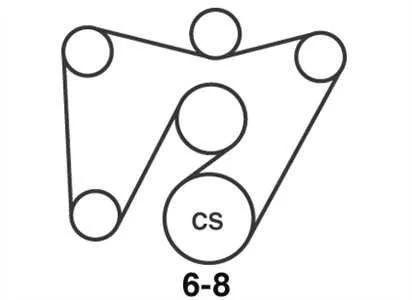
Follow the factory diagram to route the serpentine belt on the Ford 3.7 engine precisely. The belt starts at the crankshaft pulley, wrapping clockwise around the water pump, then moving over the alternator pulley. Next, it passes under the power steering pump pulley and loops around the idler pulley before returning to the crankshaft.
Use the tensioner pulley to maintain proper belt tension. Rotate the tensioner with a wrench to slip the belt on or off smoothly. Check for alignment on each pulley to prevent premature wear and avoid slipping.
If you lost the original diagram, find a clear replacement based on your model year. Differences in accessory configurations may alter the path slightly. Comparing the belt path to a labeled schematic ensures correct installation and prevents engine accessory malfunction.
Regularly inspect the belt for cracks or fraying and confirm it fits snugly on every pulley groove. Proper routing guarantees optimal accessory performance and extends belt lifespan.
Step-by-Step Guide to Replacing the Ford 3.7 Serpentine Belt
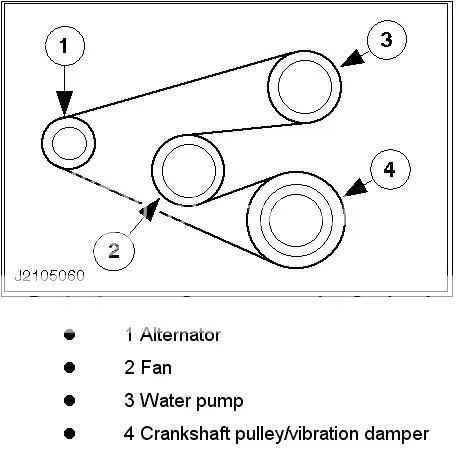
Locate the serpentine belt routing diagram on the engine compartment or in the owner’s manual to avoid mistakes during installation. This ensures the new belt follows the correct path around the pulleys.
Release tension from the belt tensioner using a wrench or serpentine belt tool on the tensioner pulley bolt. Rotate the tensioner to create slack and carefully slide the belt off one of the pulleys.
Remove the old serpentine belt by slipping it off the remaining pulleys. Inspect the belt for cracks, fraying, or glazing to confirm replacement necessity.
Check all pulleys and tensioner condition. Spin each pulley to detect roughness or noise and verify the tensioner moves smoothly without resistance or binding.
Position the new belt on the pulleys following the routing diagram exactly. Start by looping it around the crankshaft pulley, then carefully place it over the accessory pulleys, leaving the tensioner pulley for last.
Apply tension by rotating the tensioner again and slip the belt over the tensioner pulley. Slowly release the tensioner, allowing it to apply proper tension to the belt.
Double-check the belt alignment on all pulleys. Misalignment can cause premature wear or noise, so ensure the belt sits fully in the pulley grooves without twisting.
Start the engine briefly and observe the belt in motion. Watch for slipping, unusual noises, or vibration. Shut the engine off and inspect the belt tension once more.
Replace any faulty components immediately if the belt doesn’t run smoothly or tensioner shows signs of wear. Proper belt tension and pulley condition are key for reliable performance.
Troubleshooting Common Issues with Ford 3.7 Belt System
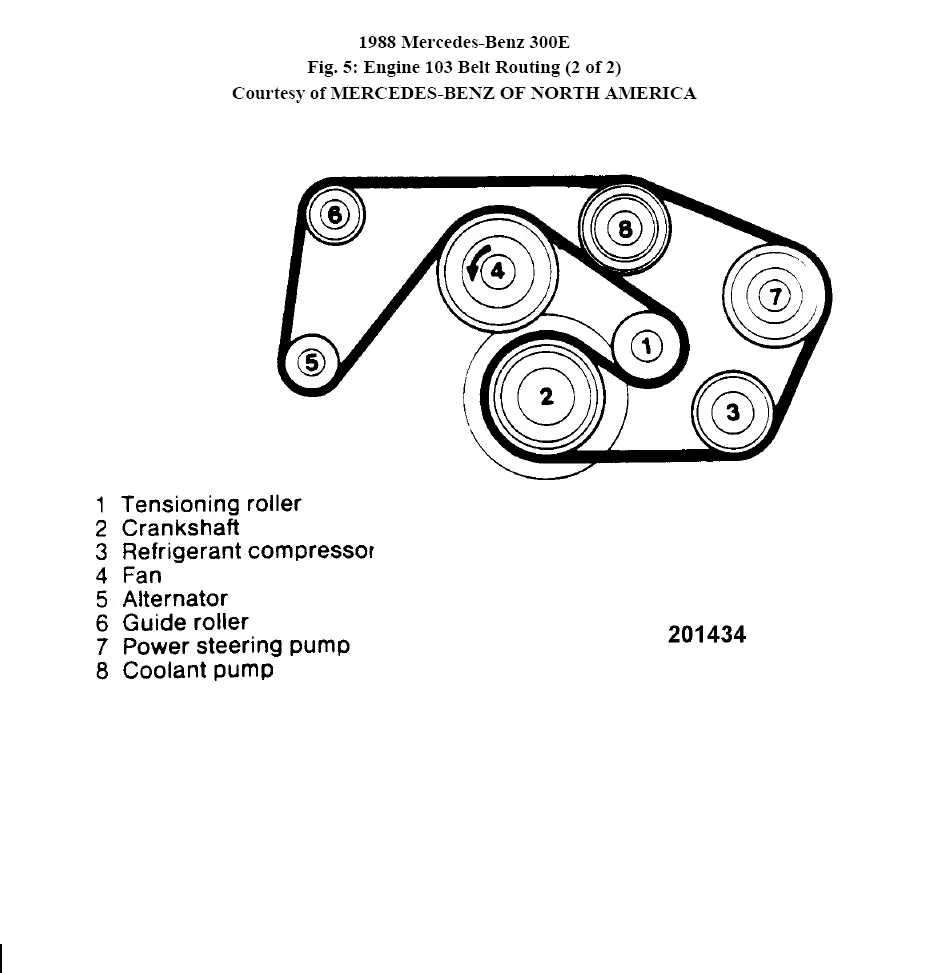
Check the belt tension first: a loose belt causes squealing noises and poor accessory performance. Use a belt tension gauge to verify it matches Ford’s specifications–typically around 150-200 lbs of tension depending on the component.
Inspect the belt for cracks, fraying, or glazing. Replace it immediately if any damage appears, as worn belts slip and reduce efficiency.
- Noise from the belt often indicates misalignment of pulleys. Examine pulleys for wobble or damage and ensure they spin freely without resistance.
- Contamination by oil or coolant reduces grip. Clean pulleys thoroughly and address leaks before installing a new belt.
- If the belt slips despite proper tension, verify the condition of the tensioner and idler pulleys. Worn bearings or weakened springs require replacement to maintain correct belt pressure.
- For intermittent accessory failures, test electrical connections to alternator, water pump, and A/C compressor. The belt system transfers power only if these components function properly.
Regularly compare your belt routing against the Ford 3.7 belt diagram to avoid misrouting, which causes abnormal wear and accessory malfunction. Follow the diagram exactly, especially after repairs or replacements.
Use only OEM or high-quality aftermarket belts designed for the Ford 3.7 engine. Cheaper alternatives tend to stretch or wear prematurely, leading to repeated issues.
Schedule belt inspections every 30,000 miles and replace belts every 60,000 to 90,000 miles depending on driving conditions. Timely maintenance prevents breakdowns and costly repairs.