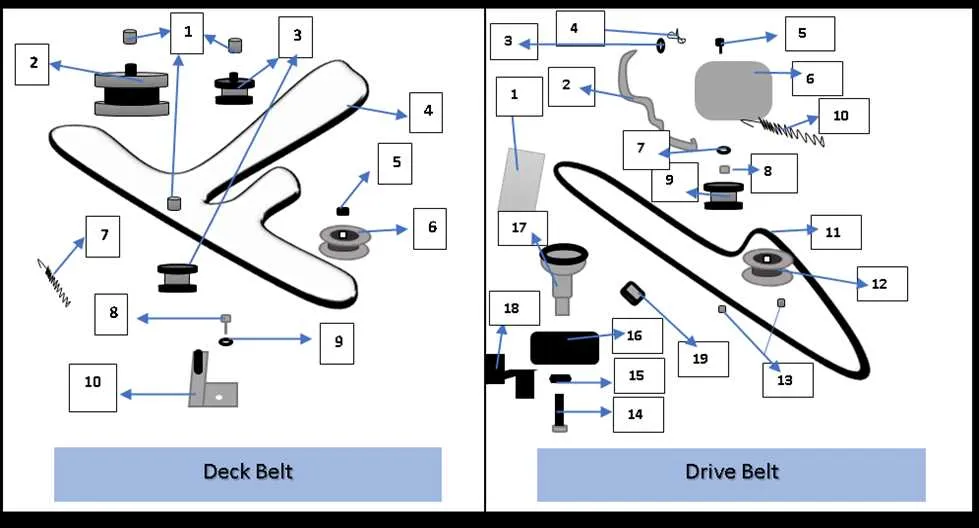
Check your deck belt routing carefully before attempting any maintenance on the John Deere X380 48-inch mower deck. Misrouting can cause uneven cutting, belt slippage, or damage to the pulleys. The belt wraps around the engine pulley, idler pulleys, and deck spindles in a specific pattern that ensures consistent tension and smooth operation.
Use the diagram as a guide when replacing or inspecting the belt. Start by identifying the main drive pulley attached to the engine, then follow the belt path across the idler pulley that maintains tension on the deck. Each spindle has a dedicated position, and incorrect placement may lead to premature wear or noisy operation.
Inspect the tensioner spring and mounting points while checking the belt. A worn spring can reduce tension, causing slipping or inefficient mowing. Ensure pulleys rotate freely without wobble, and remove any debris from the belt channels to prevent misalignment.
Keep a reference image or printed diagram near your mower during maintenance. This saves time and reduces errors when reinstalling the belt. Align the belt with the pulleys, rotate the deck by hand to verify smooth movement, and secure all fasteners according to the manufacturer’s torque specifications.
Regularly check the belt for cracks or fraying. Early replacement prevents sudden failure and protects the deck components. Follow the belt path in the diagram closely to maintain optimal mower performance and prolong the lifespan of the X380’s deck system.
John Deere X380 48 Inch Deck Belt Diagram
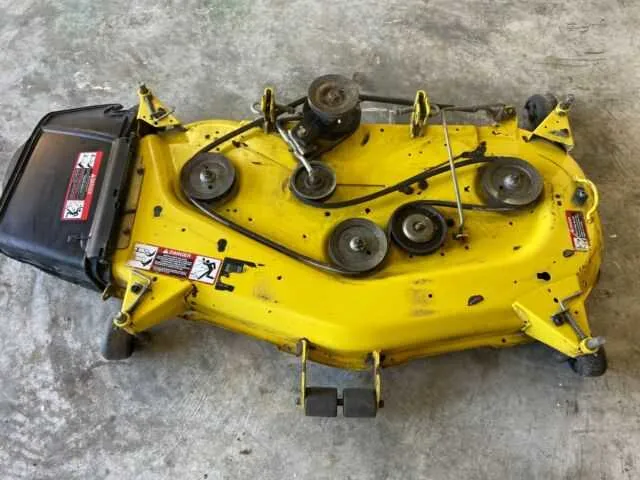
Follow the belt routing exactly to prevent slipping and ensure smooth deck operation. The 48-inch deck uses a single main belt that loops around the engine pulley, idler pulleys, and the spindles on each of the three blades. Start by positioning the belt on the engine pulley, then guide it through the front idler and over the rear idler to maintain proper tension.
Each blade spindle requires the belt to wrap around its pulley with the correct angle to avoid rubbing against the deck frame. The tensioner lever sits near the center of the deck and should be engaged to hold the belt firmly against all pulleys. Check that the belt sits squarely in every groove to prevent premature wear.
Replace any worn or cracked belt immediately, as a damaged belt can affect blade performance and cause uneven cutting. Refer to the belt diagram attached to the mower for visual guidance, ensuring the path aligns with each idler and spindle pulley. Tighten all mounting bolts and inspect the belt tension after the first few minutes of operation.
Maintain the deck pulleys by keeping them free of debris and lubricated where specified. A correctly routed and tensioned belt improves cutting consistency and prolongs the life of both the belt and the deck components. Regular inspection against the diagram helps identify misalignment before it leads to more serious issues.
Identifying the Correct Belt and Pulleys for the X380 48 Inch Deck
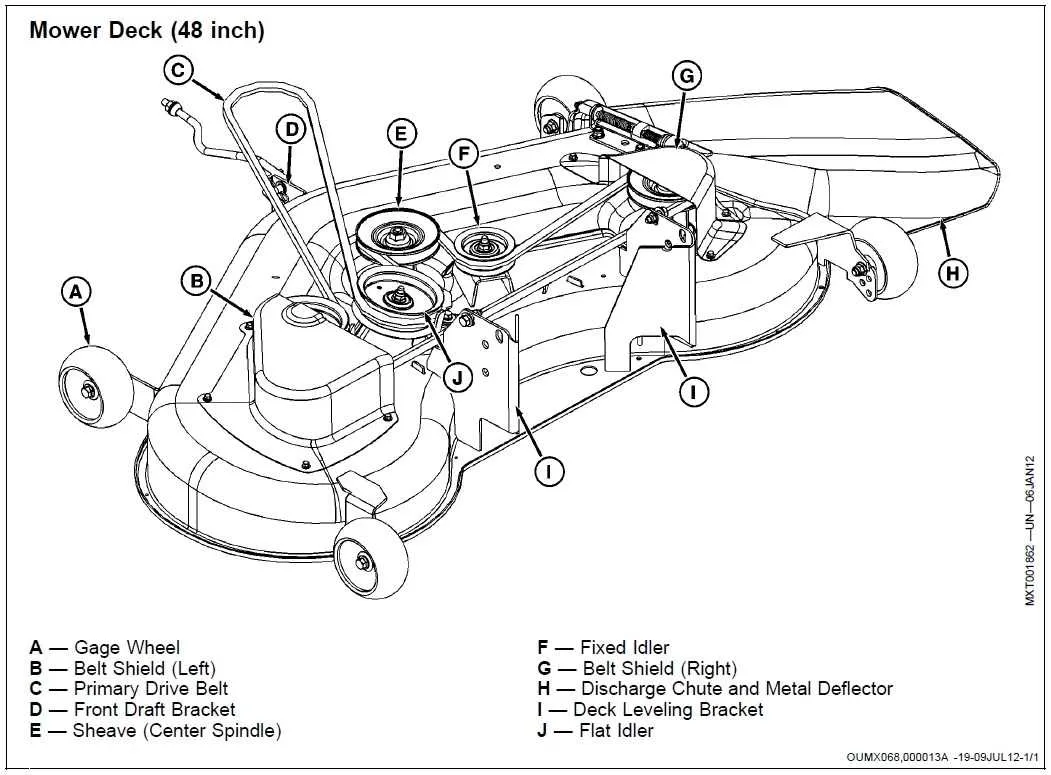
Use the John Deere part number AM108425 for the primary deck drive belt. This V-belt fits the X380 48-inch deck and ensures proper tension and alignment with the spindles. Check the belt for visible cracks, fraying, or glazing before installation to avoid premature failure.
Confirm the front idler pulleys are AM132264, while the rear idler uses AM133725. Both types feature sealed bearings for smooth rotation and reduced maintenance. Replace pulleys showing any wobble or excessive noise to maintain even blade speed.
Locate the spindle pulleys as AM130925, which are 5-inch diameter with a 3/8-inch bore. Tighten mounting bolts to 25-30 ft-lbs torque, ensuring they remain flush to prevent belt tracking issues. Misaligned spindle pulleys lead to rapid belt wear and uneven mowing.
Route the belt according to the deck diagram: the belt passes over the engine pulley, around the idlers, and under the spindles, forming a figure-eight pattern. Ensure each pulley rotates freely without binding before final tension adjustment.
For replacement, lubricate the idler arm pivot with light grease and inspect spring tension. Replace any worn springs to maintain consistent belt tension and prevent slippage during operation.
Regularly check belt alignment and pulley condition every 25 hours of operation. Keeping the correct combination of AM108425 belt and AM132264/AM133725 pulleys extends the lifespan of the deck and maintains optimal cutting performance.
Step-by-Step Guide to Reading the Deck Belt Diagram
Locate the main drive belt on the diagram and identify the pulleys connected to the engine and the deck spindles. Check the directional arrows indicating belt movement, which show the path from the engine pulley to each spindle.
Trace the belt around the idler pulleys, noting the position of the tensioning spring. Verify that the belt follows the correct sequence, looping over the engine pulley first, then the idlers, and finally the spindles. Each pulley should be represented by a distinct symbol or circle on the diagram.
Identify any crossing points where the belt overlaps itself. These crossings ensure proper tension distribution and prevent slippage. Make sure the belt path on the diagram matches the actual routing on the mower deck before making adjustments.
Check for labels indicating pulley sizes or part numbers. Smaller pulleys typically drive the idlers, while larger ones transfer power to the blades. Confirm these details to avoid using an incorrect belt or misrouting it.
Use the diagram to locate tension adjustment points. The idler arms often include spring or bolt mechanisms that regulate belt tightness. Follow the diagram’s cues to adjust tension evenly across all pulleys.
Review the belt path one final time, confirming every pulley connection and overlap matches the diagram. This ensures smooth operation, prevents premature wear, and maintains consistent blade performance.
Common Belt Routing Issues and Troubleshooting Tips
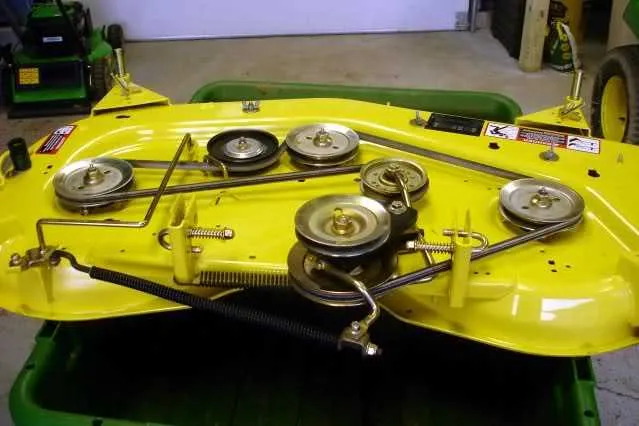
Check the belt alignment first; misaligned pulleys cause uneven wear and slipping. Ensure the idler pulleys spin freely and are not bent or seized. A 48-inch deck on the John Deere X380 requires the belt to sit snugly in the correct grooves of the pulleys.
Look for cracks, fraying, or glazing on the belt surface. Replace the belt if any damage is visible. Inspect the tension spring on the idler arm–it should maintain firm tension without over-stressing the belt. Loose tension leads to belt squealing and poor deck engagement.
- Verify that the belt follows the exact routing path specified in the manufacturer’s diagram.
- Clean debris from the deck and pulleys; grass buildup can shift the belt and reduce cutting performance.
- Check for worn spindle bearings that allow pulleys to wobble, which may cause the belt to slip off.
- Rotate the pulleys manually to ensure smooth movement before running the mower.
- Use a straightedge to confirm pulleys remain in a single plane; misalignment can shorten belt life.
If the belt keeps slipping or tracking off the pulleys, replace any worn idlers or pulleys. Double-check that the deck height lever and tensioning mechanisms operate freely. Applying light spray lubricant to moving idlers can reduce friction, but avoid oiling the belt itself.
Follow the belt diagram carefully during reinstallation. Route under the deck spindles first, then around the mower engine pulley, finishing with the idler pulley. Pull the belt tight and release the tensioner slowly to ensure proper seating. Test by running the blades at low speed before mowing the entire lawn.
Inspect the belt monthly during heavy mowing season. Early detection of wear, misalignment, or tension loss prevents sudden failures and keeps the X380 cutting consistently.