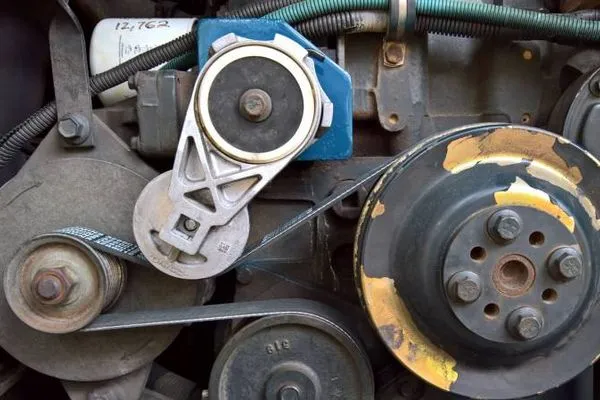
Check the serpentine belt diagram before replacing or adjusting the belt on your Cummins engine. This step prevents routing errors and ensures proper alignment across all pulleys, including the alternator, power steering pump, and tensioner.
The diagram shows the exact belt path, making it easier to confirm whether the belt wraps correctly around each accessory. A misaligned belt can cause squealing, uneven wear, or even damage to engine components. Following the diagram saves time and avoids costly mistakes.
On most Cummins models, the belt routing label is located under the hood. If it’s missing or hard to read, referencing a clear diagram is the safest approach. Keep in mind that belt length and path may vary depending on whether the engine includes features like air conditioning.
Having the correct diagram at hand also helps when inspecting the belt for cracks, fraying, or glazing. A quick comparison with the proper routing makes it easy to spot installation issues before they lead to mechanical problems.
Cummins Serpentine Belt Diagram

Check the serpentine belt routing diagram for your Cummins engine before making any adjustments or replacements. The diagram ensures proper belt placement, preventing damage to components.
Follow these steps to properly install or inspect the serpentine belt:
- Locate the belt routing diagram on the engine bay. This diagram shows the exact path the serpentine belt should follow around pulleys and tensioners.
- Examine the belt for any signs of wear such as cracks, fraying, or glazing. If any issues are found, replace the belt immediately.
- Use a tensioner tool to release the tension on the serpentine belt before removing it.
- Ensure the new belt matches the correct size and routing indicated in the diagram.
- Reinstall the belt by carefully following the diagram, making sure it runs smoothly over all pulleys and tensioners.
Refer to the diagram frequently during installation to avoid misalignment or slippage. Proper alignment ensures the engine runs smoothly and prolongs the lifespan of all related components.
Correct Belt Routing for Popular Cummins Engines
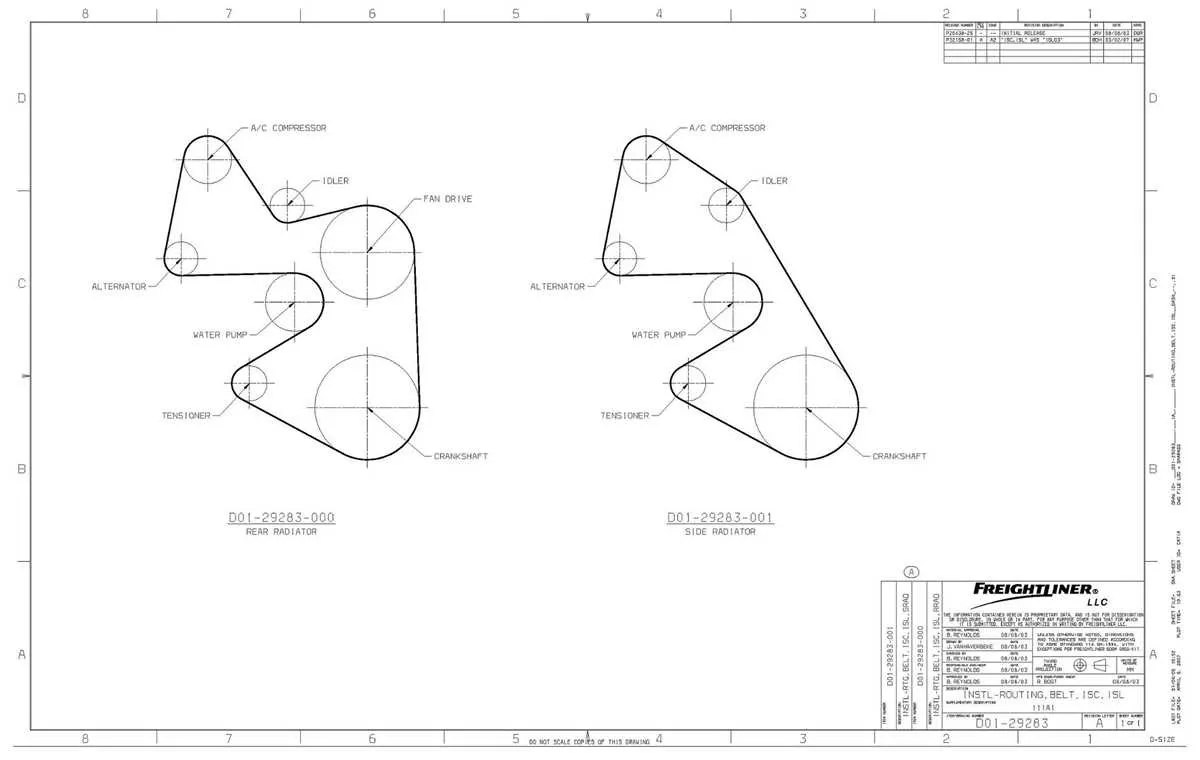
Check the routing diagram before installing a new serpentine belt on any Cummins engine, since the position of the tensioner and accessories varies by model. A misplaced belt can damage pulleys or cause premature wear.
Cummins ISX15: Route the belt from the crankshaft pulley to the water pump, then to the alternator, around the idler, through the tensioner, and back to the crankshaft. Pay attention to the smooth and grooved pulley surfaces to match the ribbed and flat sides of the belt.
Cummins ISB 6.7: The belt runs from the crankshaft to the A/C compressor, then up to the alternator, across the water pump, and down through the tensioner. Make sure the belt sits evenly across the idler pulleys before applying final tension.
Cummins 5.9 24V: Start at the crankshaft pulley, move across the fan pulley, up to the alternator, then across the water pump, followed by the power steering pump, and finish through the tensioner. Double-check alignment at the fan pulley, as misplacement here is common.
After routing, rotate the tensioner with the correct tool, slide the belt over the last pulley, and release slowly to secure tension. Inspect the belt path from different angles to confirm that ribs sit properly in the grooves without overhang.
Identifying Pulleys and Components in the Diagram
Check the crankshaft pulley first, since it drives the serpentine belt and connects power to every accessory. Its larger diameter makes it easy to recognize at the bottom of the diagram.
Locate the alternator pulley, usually positioned near the top or side. This pulley keeps the battery charged, and its smaller size distinguishes it from the crankshaft.
Find the water pump pulley, often in the center, directly linked to engine cooling. It commonly aligns with both the crankshaft and the tensioner.
Identify the tensioner pulley, which applies constant pressure to maintain belt alignment. It typically has a spring-loaded arm and sits near the smooth side of the belt.
Spot the idler pulley, placed to redirect the belt around other accessories. Unlike the tensioner, it has no spring mechanism and serves as a fixed guide.
Locate the power steering pump pulley, found on one side of the diagram, feeding the hydraulic system. Its position may vary depending on the Cummins model.
Check the AC compressor pulley, usually at the bottom or side, connected to the vehicle’s air conditioning system. It often features a clutch mechanism that engages only when cooling is required.
Follow the belt path across all pulleys to confirm alignment. Each component must rotate freely, and any unusual resistance indicates a part that needs replacement.
Step-by-Step Belt Replacement Using the Diagram
Check the diagram for pulley placement before removing anything. Take a clear photo of the belt routing as an extra reference to avoid mistakes during installation.
Use a ratchet or serpentine belt tool on the tensioner pulley to release pressure. Slide the old belt off the pulleys, starting with the easiest accessible section.
Inspect each pulley for wear or damage. Spin the idler and tensioner pulleys by hand to confirm smooth rotation without noise or play.
Route the new belt following the diagram exactly. Make sure the ribs sit correctly in each pulley groove, especially on the crankshaft and alternator.
Apply pressure to the tensioner again and slip the belt into place on the last pulley. Slowly release the tensioner to secure proper belt tension.
Double-check alignment across all pulleys. Start the engine and observe the belt while idling to verify smooth operation without wobbling or slipping.