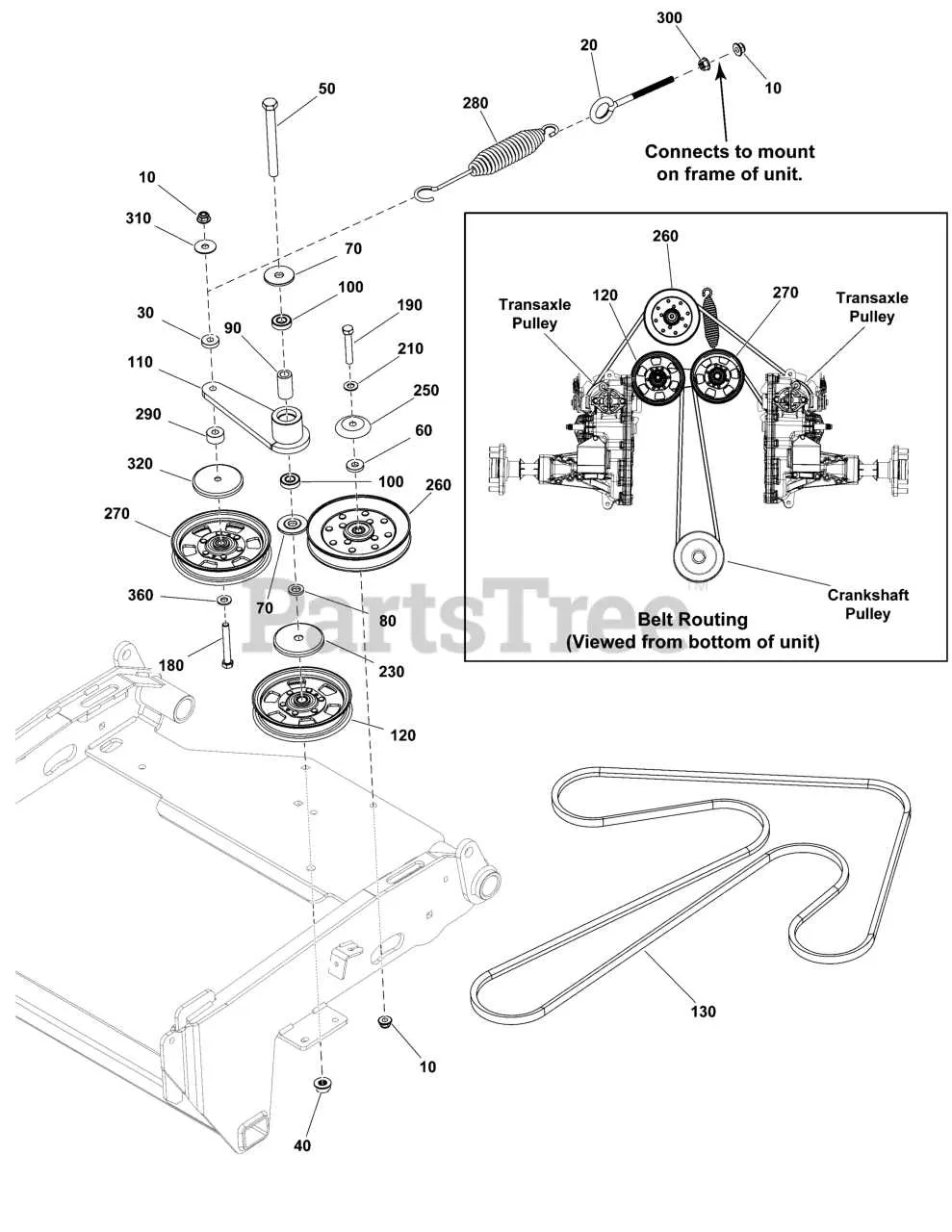
To properly maintain your zero turn mower, understanding the belt diagram is key. The belt system powers several important components, including the drive mechanism and the cutting deck. A clear and accurate diagram will help you identify the routing of the belts, ensuring smooth operation and avoiding unnecessary wear.
Begin by inspecting the drive belt, which connects the engine to the drive pulleys. This belt is responsible for transferring power from the engine to the wheels. Over time, it can stretch or wear out, affecting performance. Check the diagram to confirm the correct alignment of the belt and ensure it’s properly tensioned.
The cutting deck belt is equally important. It powers the mower blades, and its condition directly impacts cutting performance. Follow the belt diagram to ensure proper routing and tensioning, which will help prevent uneven cuts or strain on the engine. Always replace belts if you notice fraying or cracking.
Lastly, regular maintenance involves checking all pulleys for wear and making sure the belts are free from debris. Refer to your mower’s specific belt diagram for the most accurate setup, and consult your owner’s manual for any adjustments. Proper maintenance of the belt system will extend the life of your mower and improve its efficiency.
Understanding the Routing of Belts in Zero Turn Mowers
Check the drive belt’s path from the engine pulley to the transaxle, ensuring it runs smoothly through the idler pulleys. Misalignment here can cause slippage and reduce power transmission.
The cutting deck belt connects the engine to the spindle pulleys. Verify that it is routed correctly to ensure consistent blade rotation. If the belt is loose or too tight, it may lead to operational issues.
Inspect the pulleys for debris or wear that could impede movement. Clean the pulleys and replace any that show signs of damage. Proper maintenance ensures the belt remains in good condition and functions effectively.
Consult the manufacturer’s diagram for the correct routing and tension. Follow this layout to prevent misalignments and to maintain the mower’s efficiency over time.
How to Replace a Broken Belt on Your Zero Turn Mower
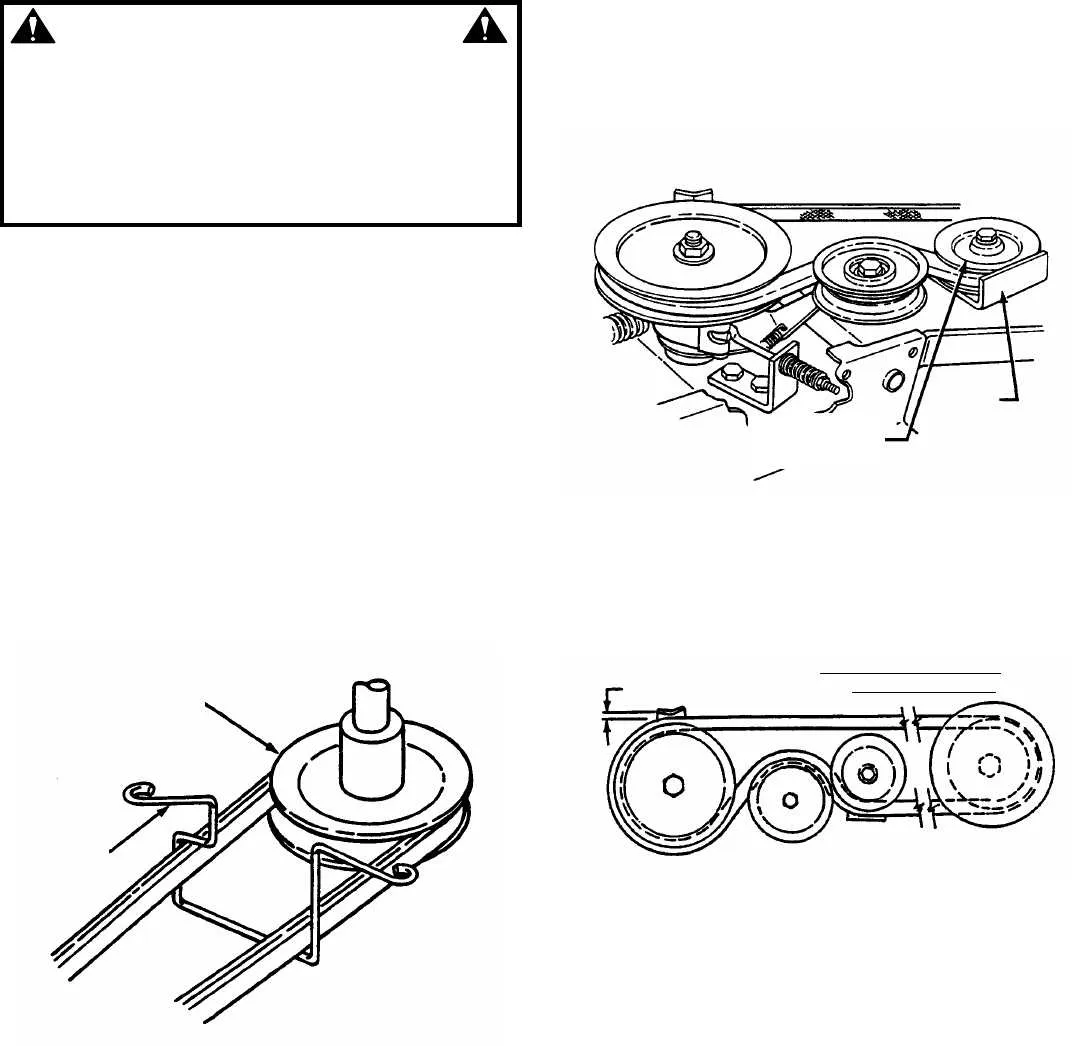
Begin by safely lifting the mower using a jack or lift to access the underside. Ensure the mower is turned off and the spark plug is disconnected to avoid accidental starting.
Locate the broken belt and identify its routing. Refer to the mower’s manual for the correct belt diagram if necessary. Remove any debris or obstacles blocking access to the belt.
Loosen the tension on the belt by adjusting the spring or tensioner mechanism. This will help relieve pressure and make it easier to remove the broken belt.
Carefully remove the broken belt, starting from the drive pulley and working your way around the mower. Pay attention to the path the belt follows to avoid routing errors when installing the new one.
Position the new belt according to the correct routing shown in the diagram. Ensure the belt fits snugly on all pulleys and aligns properly with the tensioner.
Adjust the tensioner to provide the correct tension on the new belt. You should feel some resistance, but the belt should not be overly tight.
Reconnect the spark plug, lower the mower, and test the system by running the mower briefly to ensure everything is functioning properly. Check for any unusual noises or slipping, which may indicate improper installation.
Common Issues with Zero Turn Mower Belt Systems
One of the most frequent problems with zero turn mower belt systems is belt slippage. This occurs when the belt becomes too loose, failing to grip the pulleys effectively. To prevent this, regularly check the tension of the belt. If it’s too loose, adjust the tensioner to ensure the belt stays tight during operation.
Another common issue is belt wear. Over time, belts can stretch, fray, or develop cracks, reducing their efficiency. Inspect the belt for any signs of wear, especially after heavy use. Replacing a worn-out belt before it completely fails can save you from costly repairs and downtime.
Incorrect routing is a typical mistake, leading to misalignment and uneven belt wear. Double-check the belt routing diagram before installation to make sure everything is positioned correctly. Misrouted belts can cause premature damage to both the belt and pulleys.
Debris buildup around the belt system can also cause problems, including slipping or overheating. Clean the belt area regularly, especially after mowing in heavy grass or wet conditions. Dirt, grass clippings, and other debris can cause friction, damaging the belt over time.
Finally, pulley issues can affect belt performance. Worn-out or damaged pulleys can cause uneven belt movement, leading to wear and tear. Inspect pulleys for cracks or misalignment and replace them as needed to keep the system running smoothly.