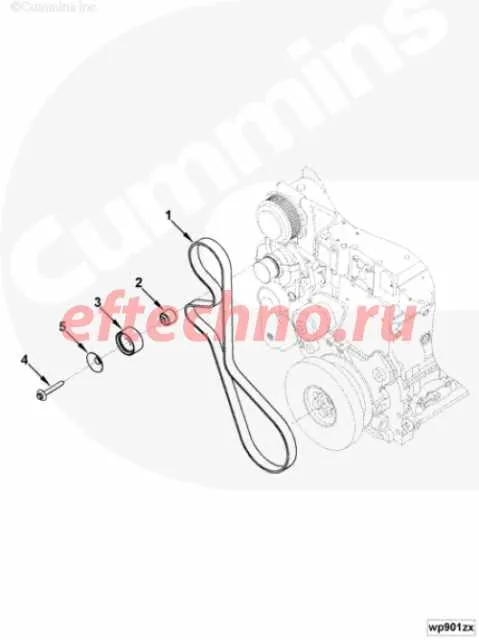
Follow the belt routing diagram to ensure correct installation on the Cummins ISB 6.7 engine. Misaligned or improperly tensioned belts can lead to reduced performance and premature wear. Check each pulley and component placement against the diagram before securing the belt.
Use a calibrated tension gauge when adjusting the serpentine and accessory belts. Confirm the routing over the alternator, water pump, air compressor, and idler pulleys matches the specified diagram. This prevents slippage and keeps engine accessories operating reliably.
Inspect the belt for cracks, fraying, or glazing before installation. Replace any worn or damaged belts immediately. Proper alignment with pulleys and correct tension prevents vibration and ensures the cooling system, alternator, and other critical components function consistently.
Cummins ISB 6.7 Belt Diagram Detailed Guide for Maintenance and Troubleshooting
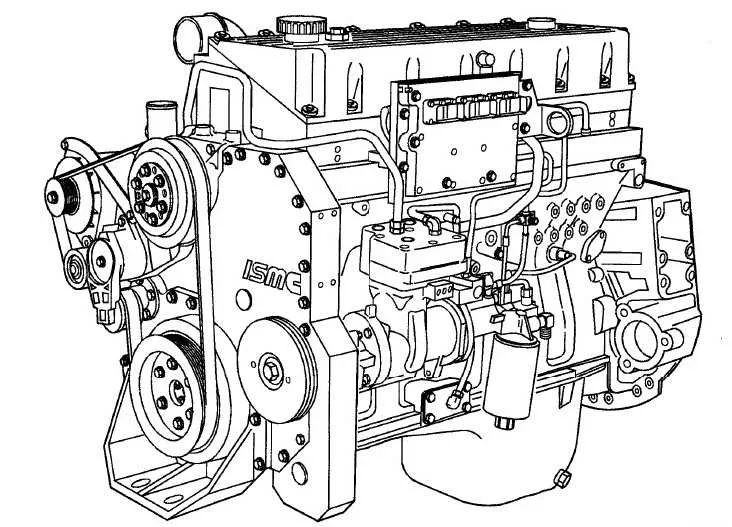
Inspect each belt on the Cummins ISB 6.7 for cracks, fraying, or signs of glazing. Follow the belt diagram to confirm correct routing around the alternator, water pump, power steering, and air conditioning pulleys. Measure tension with a gauge or adjust the spring-loaded tensioner to match manufacturer specifications.
Verify pulley alignment to prevent uneven wear and noise. Misaligned pulleys require adjustment of idlers or tensioners to ensure belts track straight across all components according to the diagram.
Replace any worn or damaged belts immediately. Remove one belt at a time and use the diagram to confirm proper installation. Tighten all bolts to recommended torque values and recheck alignment and tension after installation.
Address unusual noises by inspecting tensioner and pulley bearings. Squealing or chirping often signals bearing wear or incorrect tension. Swap faulty parts and reverify routing and tension using the Cummins ISB 6.7 belt diagram.
Maintain a regular inspection schedule every 15,000 miles or as operating conditions dictate. Keep the belt diagram available during service checks to verify routing and tension, ensuring reliable accessory operation and preventing engine interruptions.
Identify All Belts and Pulleys in Cummins ISB 6.7 Engine
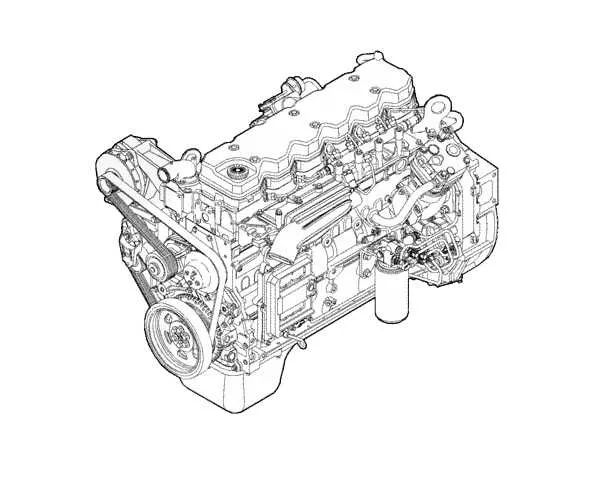
Begin by locating the serpentine belt, which drives the alternator, water pump, and power steering pump. Inspect the tensioner pulley near the top front of the engine and ensure it maintains correct belt tension.
The crankshaft pulley sits at the bottom center, transmitting power to all accessory belts. Confirm alignment with the harmonic balancer to prevent belt slippage or uneven wear.
On the passenger side, identify the air conditioning compressor pulley. Check that its clutch engages smoothly and that the belt sits firmly in the groove.
Locate the idler pulleys along the belt path; these maintain proper belt routing and reduce vibration. Inspect each for smooth rotation and absence of noise.
The alternator pulley, typically near the top driver side, should rotate freely and allow the serpentine belt to move without lateral play. Ensure the belt tracks correctly along its grooves.
For engines equipped with a turbocharger, identify the water pump pulley, which helps circulate coolant to maintain optimal temperature. Verify its alignment with the crankshaft and tensioner pulleys.
Check the power steering pump pulley, usually on the driver side, for correct orientation and secure attachment. Misalignment can lead to premature belt damage.
Document each belt routing using the manufacturer’s diagram or a clear photograph before removing any components. This ensures accurate reinstallation and avoids operational issues.
Step-by-Step Instructions for Replacing Serpentine and Timing Belts on Cummins ISB 6.7
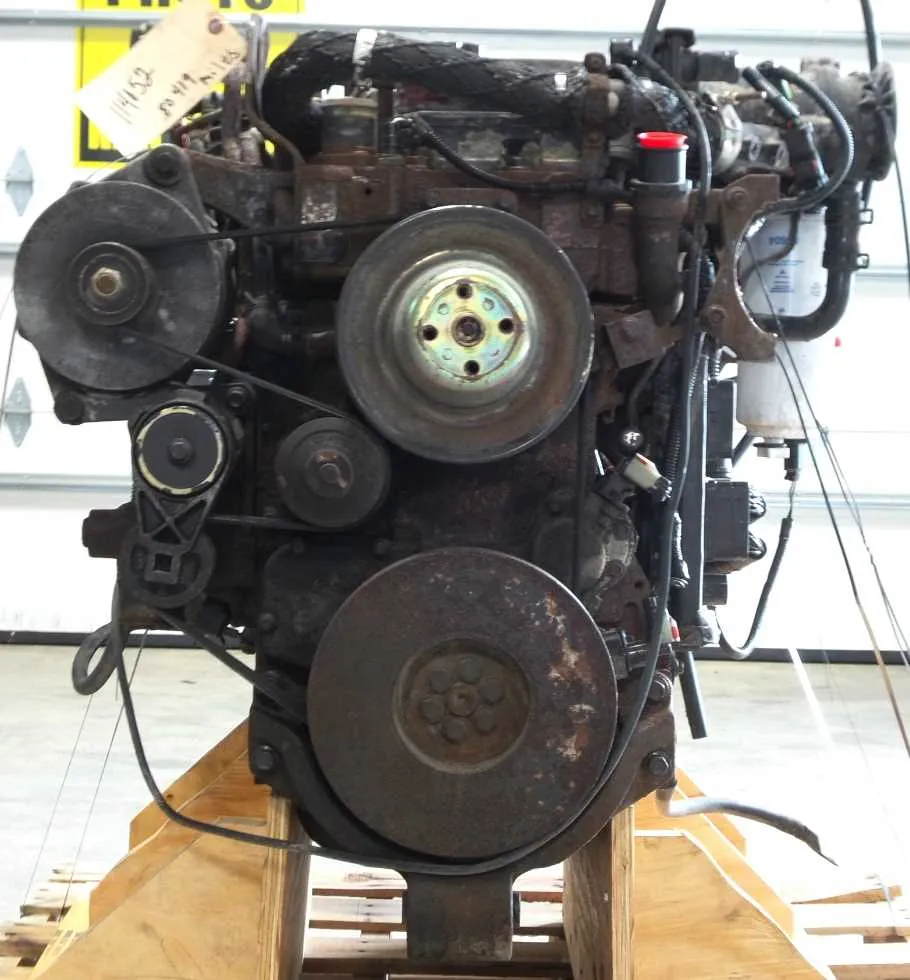
Begin by disconnecting the negative battery terminal to prevent electrical hazards. Ensure the engine is cool and the vehicle is on a level surface with the parking brake engaged.
- Remove Accessories:
Take off the engine covers, air intake ducting, and any components obstructing access to the serpentine and timing belts. This includes the alternator, fan, or idler pulleys if necessary.
- Release Serpentine Belt Tension:
Locate the serpentine belt tensioner and use a wrench or breaker bar to rotate it, relieving tension. Slide the belt off pulleys carefully and inspect all pulleys for wear or damage.
- Remove Serpentine Belt:
Follow the belt routing diagram specific to the Cummins ISB 6.7 to remove it systematically. Avoid bending the belt sharply to prevent damage.
- Access Timing Belt:
Remove the timing belt covers by unscrewing mounting bolts. Mark the crankshaft and camshaft timing positions with a paint marker or tape to maintain engine timing alignment.
- Release Timing Belt Tension:
Loosen the timing belt tensioner and guide it away from the belt. Carefully slide the timing belt off the camshaft and crankshaft sprockets.
- Inspect Components:
Check the water pump, idler pulleys, and tensioners for wear. Replace any components showing signs of damage, corrosion, or looseness to avoid future failures.
- Install New Timing Belt:
Align the crankshaft and camshaft marks before installing the new belt. Route the belt according to the original pattern, keeping it taut on the non-tensioned side. Reinstall the tensioner and set correct tension per manufacturer specifications.
- Reinstall Serpentine Belt:
Refer to the serpentine belt diagram to route the new belt properly around all pulleys. Apply tension using the tensioner and ensure the belt sits fully in the pulley grooves.
- Final Checks:
Rotate the engine manually two full rotations via the crankshaft to verify timing alignment and belt tension. Reinstall all removed components, reconnect the battery, and start the engine to check for smooth operation and proper belt tracking.
Troubleshoot Belt Alignment and Tension Issues for Smooth Operation
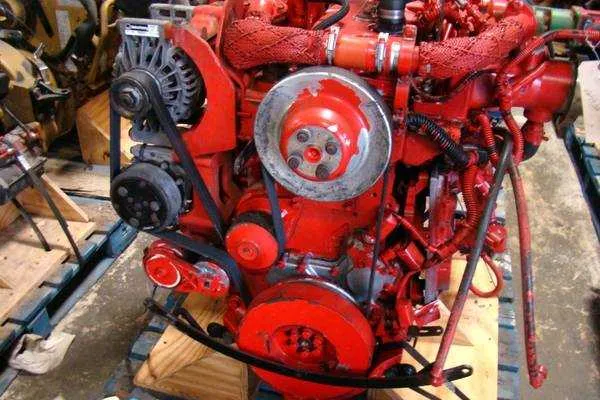
Check the serpentine and timing belts for visible signs of wear, fraying, or cracking. Misaligned belts often produce a squealing noise and can lead to uneven pulley wear.
Use a straightedge or laser alignment tool to verify pulley alignment. Ensure that all pulleys sit in the same plane and that the belt runs true across each pulley without deviation.
Measure belt tension with a calibrated tension gauge. For the Cummins ISB 6.7, the timing belt should have a deflection of approximately 0.5 to 1.0 inch under moderate finger pressure, while serpentine belt tension should match manufacturer torque specifications.
Adjust the tensioner to correct loose or overly tight belts. Manual tensioners require loosening the mounting bolt, setting the belt to the proper tension, and retightening securely. Automatic tensioners should be inspected for smooth operation and replaced if the spring or damping mechanism is weak.
Inspect all pulleys, including idlers and tensioners, for bearing play or noise. Replace any pulleys that exhibit lateral movement, grinding, or rough rotation to prevent belt slippage and premature wear.
After adjustments, rotate the engine by hand two full revolutions to allow belts to settle into pulleys. Recheck alignment and tension, as minor shifts can occur during initial operation.
Regularly schedule visual inspections and tension checks every 15,000 miles or following heavy engine use. Maintaining precise alignment and proper tension ensures smooth operation, reduces vibration, and extends belt and pulley life.