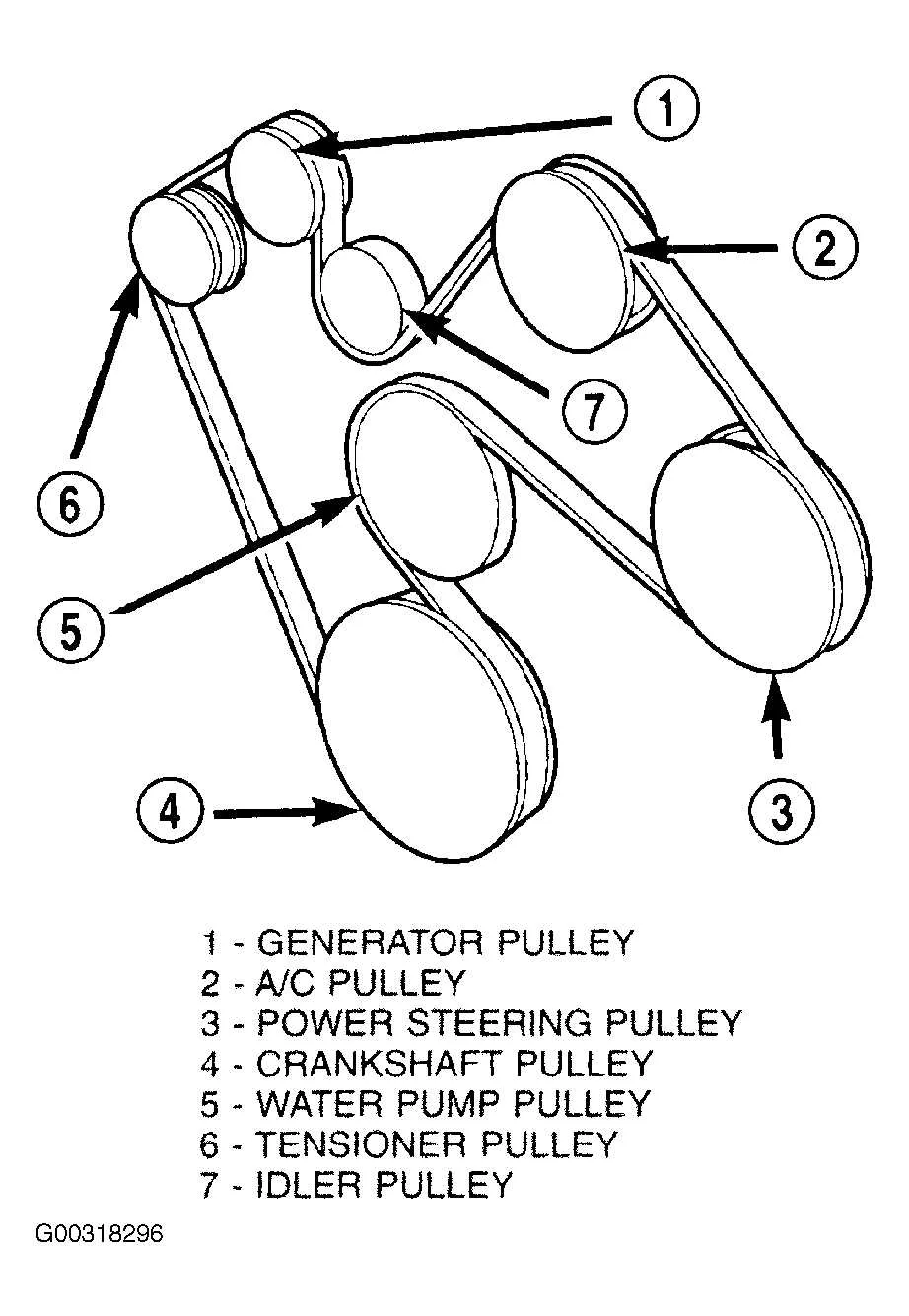
To maintain your 2004 Dodge Ram 4.7 engine’s belt system, it’s important to understand the layout and function of each component. The serpentine belt drives key engine accessories, such as the alternator, power steering pump, and air conditioning compressor. An incorrect installation or misalignment can lead to costly repairs or engine performance issues.
Begin by inspecting the belt for any signs of wear, such as cracks, fraying, or glazing. If the belt shows damage or does not properly align with pulleys, replace it immediately to avoid potential breakdowns. Be sure to consult the belt diagram for your specific model to ensure proper routing.
The diagram provides a clear view of each component’s position, helping you identify which parts are affected when issues arise. Following the belt’s correct routing prevents unnecessary strain on the engine and ensures smooth operation of vital accessories. Refer to the 2004 Dodge Ram 4.7 belt diagram whenever performing maintenance or repairs to maintain peak engine performance.
2004 Dodge Ram 4.7 Belt Diagram
The serpentine belt system in the 2004 Dodge Ram 4.7 engine plays a key role in powering various engine components such as the alternator, water pump, power steering pump, and air conditioning compressor. Accurate alignment and correct tension are crucial to prevent premature wear and malfunction. Ensure the belt is routed properly across the pulleys and tightly secured to avoid slipping or damage.
To identify the correct routing, start by locating the crankshaft pulley at the bottom of the engine, which drives the belt. From there, the belt travels to the tensioner pulley, which keeps the belt under appropriate tension. The diagram for this engine shows how the belt loops around the alternator, power steering pump, and air conditioning compressor. If any of the pulleys show signs of wear, they should be replaced immediately to prevent further damage to the belt.
When inspecting the belt, check for cracks, glazing, or fraying, especially around corners and edges. A belt that is misaligned or loose will cause increased wear, resulting in potential engine damage if left unaddressed. Always replace the belt with the correct model specified for the 4.7 engine to maintain optimal performance.
Step-by-Step Guide to Replacing the Serpentine Belt
Begin by raising the front of the vehicle using a jack and securing it with jack stands. Ensure that the engine is off and the vehicle is stable before proceeding.
Locate the serpentine belt tensioner. It is usually situated near the alternator or power steering pump. Using a socket wrench, rotate the tensioner clockwise to relieve tension on the belt.
Once the tension is released, remove the old belt from the pulleys, starting from the most accessible area. Keep track of the belt’s routing by noting its path or referring to the engine diagram.
Before installing the new belt, check all pulleys for any signs of damage, wear, or misalignment. Spin them by hand to ensure they move smoothly. If any pulleys are faulty, replace them before continuing.
Place the new belt over the pulleys, following the routing pattern. Ensure that the belt is properly aligned with all grooves on the pulleys to avoid slippage.
Use the wrench to rotate the tensioner again and slide the belt into place. Double-check the belt’s position on all pulleys to confirm it is seated correctly.
Lower the vehicle and start the engine to check the belt’s operation. Listen for any unusual noises and inspect the belt’s movement to confirm proper installation.
If everything functions correctly, turn off the engine and perform a final visual inspection to ensure the belt is properly aligned and tensioned.
How to Identify and Address Misalignment Issues
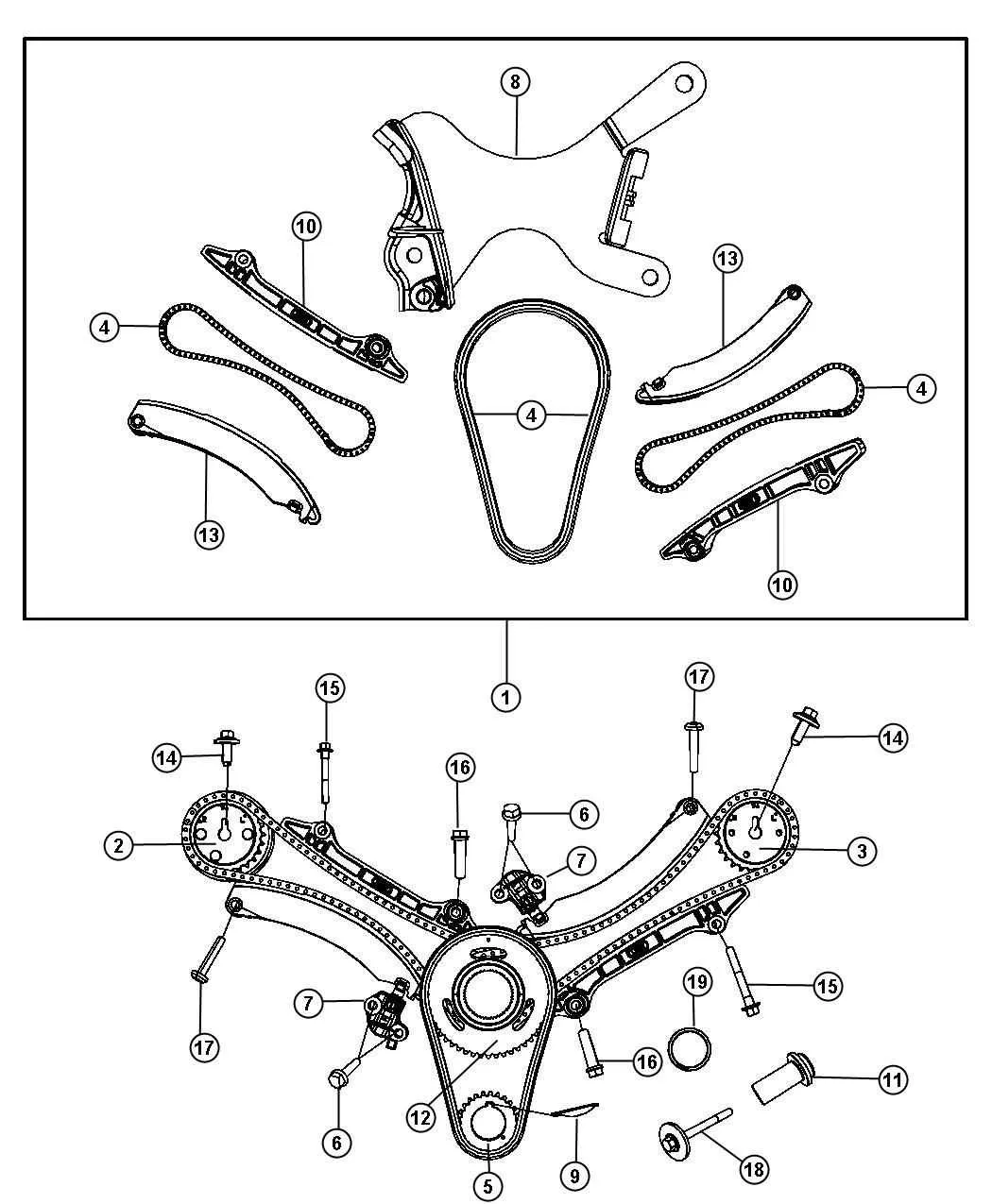
To check for misalignment, visually inspect the serpentine belt path. If it runs off-center or makes contact with surrounding components, misalignment is likely. This can cause premature wear or damage to the belt and pulleys.
Start by examining the tensioner pulley and idler pulleys. Ensure they are properly aligned and not worn. Any uneven wear on the pulleys or belt can indicate misalignment. A misaligned pulley may also cause unusual noises like squealing or whining during engine operation.
If misalignment is detected, the next step is to check the mounting of the components. Loosen the bolts securing the alternator, power steering pump, and other belt-driven accessories. Adjust their positions carefully to align with the rest of the system.
Inspect the tensioner for wear. A faulty tensioner can lead to incorrect belt tension, causing the belt to deviate from its normal path. Replace the tensioner if necessary to restore proper alignment.
After adjustments, manually rotate the engine to ensure the belt moves smoothly along its intended path. If the issue persists, verify the pulleys for any visible damage or deformation. Replacing any damaged components will prevent further misalignment and protect the belt from unnecessary strain.
Common Belt Wear Symptoms and How to Inspect Them
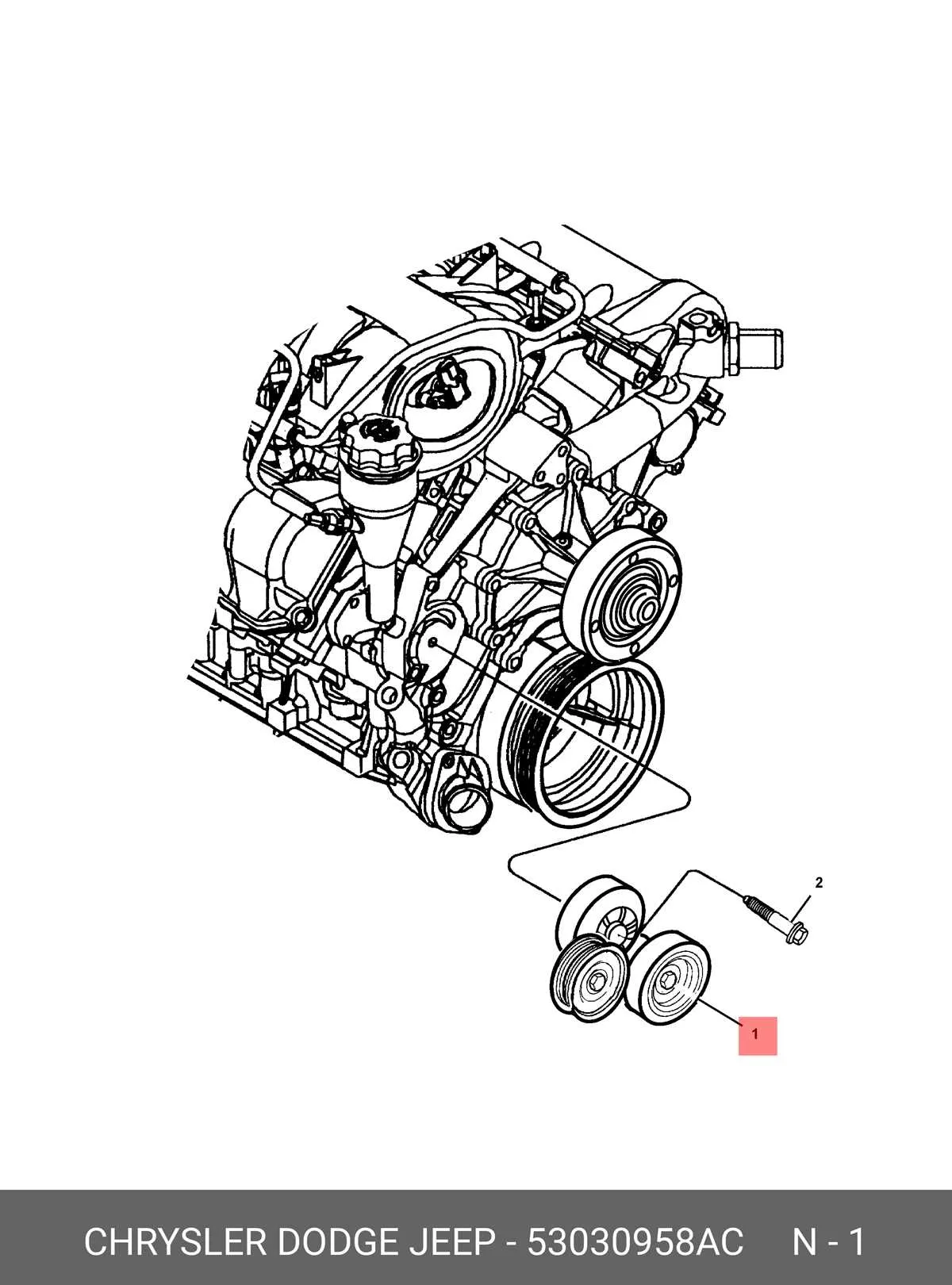
Examine the serpentine belt regularly for visible cracks, frays, or glazing. A smooth, shiny surface indicates excessive wear, often due to slipping or overheating. Replace the belt if the surface appears worn down or glazed.
Check for missing ribs or chunks of rubber that have been torn away. Any significant damage will reduce belt efficiency and should be addressed immediately. Additionally, listen for unusual squealing or chirping noises, which signal that the belt might be slipping or misaligned.
Inspect the tension by pressing on the belt in the middle of its longest span. If it moves more than half an inch, the tension is too loose, and the belt should be replaced or re-tensioned. A tight belt can cause premature wear on both the belt and the pulleys.
Check for any visible signs of oil or coolant contamination on the belt, as these substances can weaken the material and cause it to break down faster. If contamination is present, clean the components or replace the damaged belt.
Finally, pay attention to the alignment of the belt. Misalignment can cause uneven wear on the belt’s edges and lead to rapid deterioration. Use a belt alignment tool to ensure that all pulleys are properly aligned. If misalignment is detected, inspect the pulley system for any damage or wear that might be causing the issue.