Locate the correct routing for the serpentine belt to ensure smooth operation of the alternator, power steering pump, water pump, and air conditioning compressor. Using the factory diagram prevents misalignment that could cause belt slippage or premature wear.
Inspect tensioner and pulleys while replacing the belt. The 2004 Dodge Ram 5.7 uses an automatic tensioner, and worn or misaligned pulleys can lead to noise, vibration, or belt failure. Replace any components showing visible wear or resistance issues.
Maintain proper belt tension by following the routing exactly as shown in the diagram. Incorrect installation can reduce the lifespan of both the belt and connected accessories. Use a tension gauge if needed to verify the correct pressure on the tensioner.
Regularly check belt condition every 12,000 miles or during oil changes. Look for cracks, fraying, or glazing. Replacing the belt before it fails avoids unexpected breakdowns and protects the engine from accessory damage.
2004 Dodge Ram 5.7 Belt Diagram Practical Reference
Refer directly to the belt routing diagram to confirm correct placement for the 5.7L engine. Ensure the serpentine belt wraps around the crankshaft pulley, alternator, power steering pump, A/C compressor, and tensioner according to the diagram to maintain proper operation.
Inspect the tensioner pulley for smooth movement and verify that the belt sits squarely in each groove. Misalignment can cause squealing, premature wear, or slipping. Adjust the tensioner carefully to maintain the correct tension without over-tightening.
Replace any worn or cracked belts immediately. Use a high-quality serpentine belt designed for the 2004 Dodge Ram 5.7L. Confirm the belt length and width match factory specifications to prevent fitment issues.
For installation, follow the diagram step by step, looping the belt around stationary components first and then engaging the tensioner last. Double-check the routing visually and by spinning the pulleys manually before starting the engine.
Keep the diagram accessible during maintenance. Labeling the pulleys or taking a quick photo can prevent errors during belt replacement. Correct routing ensures optimal performance of all engine accessories and avoids costly damage.
Identifying Each Component in the 5.7 Engine Belt Layout
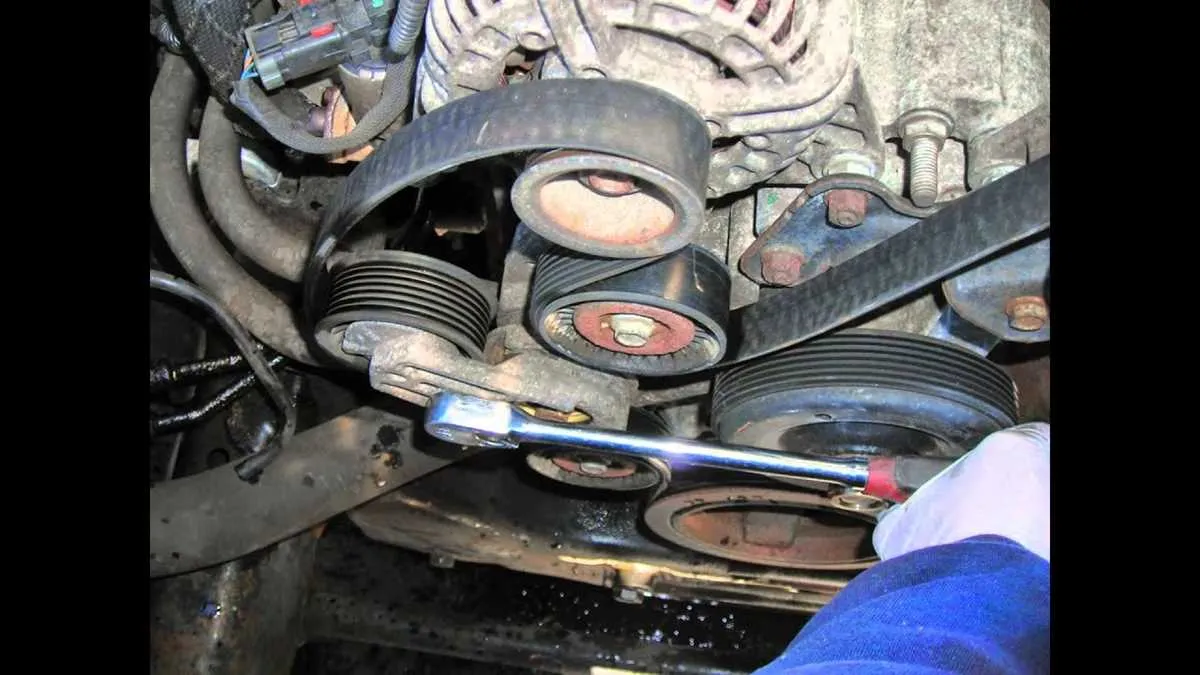
Locate the crankshaft pulley at the lower front of the engine; it drives the entire belt system and aligns with the tensioner and accessories. The alternator sits on the upper passenger side, connecting directly to the belt for charging the battery and powering electrical systems. The power steering pump positions on the driver side near the top, maintaining fluid pressure for steering control.
The air conditioning compressor mounts on the lower passenger side, driven by the belt to operate cooling cycles. Identify the water pump pulley centrally, ensuring coolant circulation through the engine. The tensioner pulley keeps proper belt tension and prevents slipping; it is spring-loaded and located near the center, easy to spot by its smooth surface and pivot point.
Guide the belt along the idler pulleys, which redirect and maintain alignment between major components. Note the serpentine belt path marked on the engine cover or side of the radiator support; it provides a visual reference for correct routing and ensures that all components operate simultaneously without misalignment.
Regularly check each pulley for wear or wobble. Tighten mounting bolts and ensure the belt sits fully in grooves. Accurate identification prevents misrouting, reduces noise, and prolongs the life of the belt and connected accessories.
Step-by-Step Guide to Removing and Replacing the Serpentine Belt
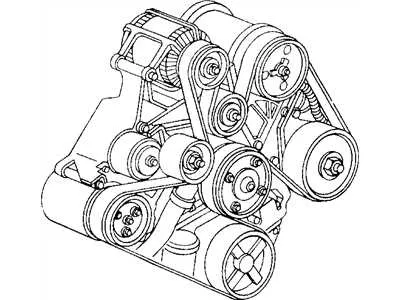
Begin by ensuring the engine is off and cool. Locate the serpentine belt routing diagram on the radiator support or inside the hood for reference.
Use a wrench or serpentine belt tool to rotate the tensioner clockwise, releasing tension on the belt. Carefully slide the belt off the pulleys, starting with the easiest-to-reach component.
Inspect all pulleys and the tensioner for wear, alignment issues, or damage. Replace any components showing cracks, wobbling, or rough rotation.
Position the new serpentine belt according to the routing diagram. Begin by looping it around the crankshaft pulley, then route it over the alternator, power steering pump, and other accessories, leaving the tensioner for last.
Apply tension by rotating the tensioner again and slip the belt onto its pulley. Slowly release the tensioner, ensuring the belt seats properly in all grooves.
Double-check the alignment on every pulley to prevent slipping or premature wear. Start the engine and observe the belt in motion, listening for unusual noises or vibrations.
Turn off the engine and perform a final inspection, confirming proper tension and alignment. The belt replacement is complete and the system operates smoothly.
Common Belt Issues and How to Inspect for Wear or Misalignment
Check the serpentine belt for cracks, fraying, or missing chunks on the ribbed side. Inspect the smooth side for glazing or shiny spots that indicate slippage. Uneven wear often signals pulley misalignment or tensioner problems.
Follow this step-by-step inspection routine:
- Visual Scan: Examine the entire belt for surface cracks, splits, or worn edges. Pay attention to rib separation or chunks missing from the grooves.
- Tension Test: Press down on the belt at the midpoint between pulleys. It should flex slightly but not feel loose or overly stiff. Inconsistent tension can indicate a failing tensioner.
- Alignment Check: Observe the belt running over each pulley. Misaligned pulleys will cause the belt to drift to one side, wear unevenly, or produce squealing noises during operation.
- Pulley Condition: Inspect each pulley for wobbling, rough rotation, or damage. A damaged pulley accelerates belt wear and can lead to sudden failure.
- Listen for Noise: Start the engine and listen for squeals or chirps, especially during startup or acceleration. Noise often points to misalignment or glazing.
Replace the belt immediately if you find severe cracks, fraying, or uneven wear. Minor wear may allow continued use, but schedule replacement soon to avoid sudden breakdowns.