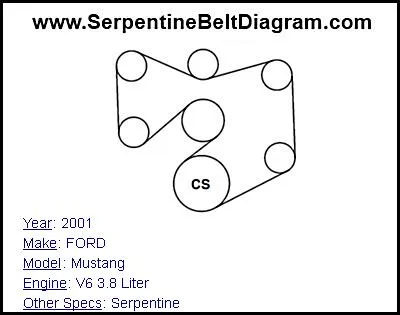
If you’re tackling serpentine belt issues on your 2006 Ford Focus, the belt diagram is a key tool to guide you through the process. The diagram illustrates the correct routing of the serpentine belt around the various pulleys, helping ensure smooth operation of your engine components. This is crucial for maintaining proper tension and avoiding damage to the belt or surrounding parts.
Start by identifying the components that the belt connects, such as the alternator, power steering pump, water pump, and air conditioning compressor. A detailed diagram will show you the exact path the belt takes, which can vary depending on engine size and specific configurations. Following the diagram step by step ensures you’re installing the belt correctly without skipping any critical steps.
For the 2006 Ford Focus, the serpentine belt system is straightforward, but it’s still vital to pay attention to every detail. Look for a clear and labeled diagram that corresponds to your specific model. If you’ve misplaced the original, many resources online offer printable versions that can be used for reference during installation.
With the correct diagram, replacing the serpentine belt becomes a much more manageable task, saving time and minimizing the risk of errors. Always double-check the belt tension and alignment before finishing the job to avoid any future mechanical problems.
2006 Ford Focus Serpentine Belt Diagram
If you’re replacing the serpentine belt on your 2006 Ford Focus, it’s critical to follow the exact routing. The belt should loop around the crankshaft pulley, alternator, power steering pump, and the air conditioning compressor, with each component positioned according to the factory diagram. This ensures that all systems powered by the serpentine belt, like the alternator and AC, function correctly.
To remove the serpentine belt, use a socket wrench to move the tensioner pulley and relieve the pressure on the belt. After the belt is loose, follow the diagram for reinstallation, ensuring the belt is properly aligned with all pulleys and the tensioner is secure.
The tensioner pulley plays a key role in maintaining the correct tension on the belt, preventing it from slipping. Make sure the tensioner is in good condition before installing the new belt, as a worn-out tensioner can lead to belt damage or slippage.
For convenience, here’s the typical pulley arrangement for the 2006 Ford Focus:
- Crankshaft Pulley: Located at the bottom of the engine, this is where the belt starts and ends.
- Alternator: Positioned towards the upper right, typically near the top of the engine bay.
- Power Steering Pump: Found to the left of the alternator, it’s driven by the serpentine belt to assist with steering.
- Air Conditioning Compressor: Often located near the front of the engine, close to the power steering pump.
- Tensioner Pulley: This part maintains belt tension and is located near the top center of the engine bay.
Ensure the belt’s path matches this arrangement exactly as shown in the vehicle manual or reference diagram for the correct functionality. Double-check the tensioner’s position, as improper tension can cause premature wear.
For accurate replacement, it’s always helpful to consult a service manual specific to your vehicle model for the precise routing diagram, which may vary slightly depending on trim level or engine size.
Step-by-Step Guide to Identifying the Serpentine Belt Path on a 2006 Ford Focus
Start by opening the hood and securing it properly. Look for the serpentine belt, which runs across the engine components like the alternator, power steering pump, and air conditioning compressor. To identify its path, locate the belt tensioner first, which is typically found near the center of the engine. This component maintains the correct tension on the belt.
Use a diagram to map out the belt’s layout. You can find a belt routing diagram on the underside of the hood or consult the vehicle’s manual. The diagram will show the exact path of the serpentine belt, noting its twists and turns around the pulleys and components.
Observe the orientation of each pulley. The belt follows a specific route from the crankshaft pulley at the bottom to various components. Pay attention to any additional components, such as the idler pulley, which may alter the path slightly. Ensure that the belt wraps correctly around all pulleys without skipping any.
If the diagram is unclear or missing, take note of the position of each pulley as you remove the old belt. As you install the new serpentine belt, make sure it mirrors the old belt’s path. Tighten the belt by adjusting the tensioner pulley and verify that the belt sits snugly on all pulleys.
Before closing the hood, double-check that the belt is correctly aligned. Turn the engine by hand to observe the belt’s movement and ensure there is no misalignment or slipping. This ensures smooth operation of all engine components that depend on the serpentine belt.
How to Inspect and Replace the Serpentine Belt in Your 2006 Ford Focus
Inspect the serpentine belt regularly for signs of wear, such as cracks, fraying, or glazing. A worn-out belt can cause the engine to overheat or lead to issues with accessories like the alternator and power steering. Look closely at the belt for any visible damage or irregularities. If you spot any, it’s time for a replacement.
Start by locating the serpentine belt in your 2006 Ford Focus. It runs across several pulleys, including the alternator, air conditioning compressor, and power steering pump. Use a diagram specific to your car model for clarity. Once located, check the tension; a loose or too-tight belt can indicate a problem with the tensioner or pulleys.
To replace the belt, you’ll need to relieve the tension on the belt tensioner. Use a ratchet and socket to rotate the tensioner pulley in the direction shown in the diagram. This will allow you to remove the belt from the pulleys. Remember the belt’s routing pattern or take a picture before removal to ensure you install the new belt correctly.
Once the old belt is off, compare the new one with the old to ensure they are the same size. Install the new belt following the diagram, making sure it sits properly in the grooves of each pulley. Rotate the tensioner back into place to secure the belt.
After installation, check the belt’s tension again. It should be tight but not too tight. Start the engine and observe the belt’s operation. It should run smoothly without any squeaks or signs of slippage. If you hear noise or notice any issues, stop the engine and double-check the belt installation.
Common Issues and Troubleshooting for the Serpentine Belt on 2006 Ford Focus
Inspect the serpentine belt for visible cracks, frays, or signs of wear. If you notice any of these, replace the belt immediately. A damaged serpentine belt can cause power loss to vital components like the alternator, power steering, and air conditioning.
If the belt squeaks or squeals when starting the engine, check for tension issues. The belt could be too loose, or the tensioner might be malfunctioning. Tightening or replacing the tensioner will solve this problem. A worn-out tensioner may fail to maintain the correct belt tension, causing slipping and noise.
Another common issue is belt misalignment. If the belt isn’t tracking straight across the pulleys, inspect the pulleys and idlers for damage. Replace any pulleys that aren’t spinning freely or are damaged. Misalignment can lead to premature belt wear or complete failure if not addressed.
If the serpentine belt continues to break or wear out quickly, consider checking the alternator or water pump bearings. Worn bearings can create uneven load and stress on the belt. Replacing the affected components will help prevent future damage to the belt.
Lastly, always ensure the correct belt size is installed. A belt that is too long or too short will not provide adequate tension, leading to performance issues. Double-check the part number and consult the vehicle’s manual for the proper size.