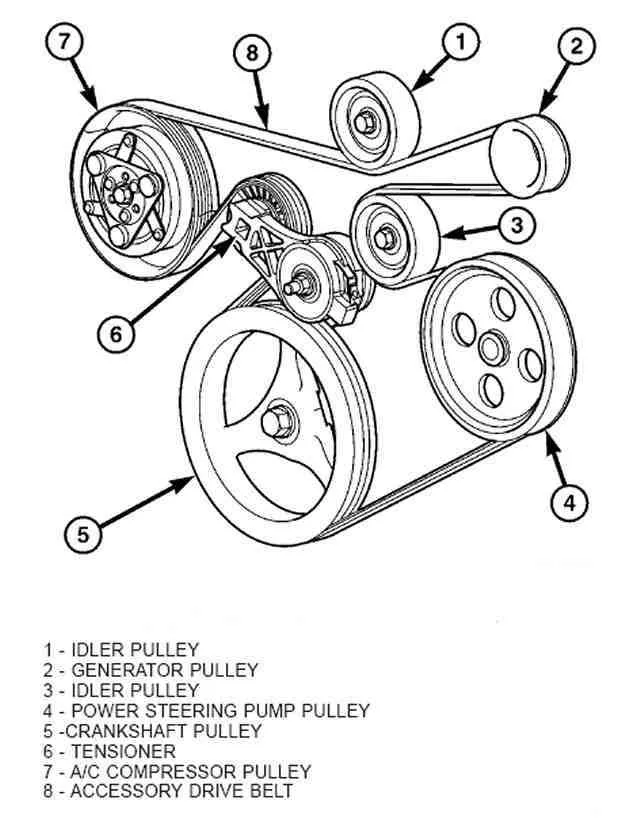
Understanding the serpentine belt layout in your 2015 Jeep Patriot helps ensure smooth engine performance and prevent breakdowns. The serpentine belt is crucial for driving accessories such as the alternator, air conditioning, and power steering. A quick reference to the correct routing can save time during maintenance and prevent unnecessary wear on the belt or components.
The 2015 Jeep Patriot uses a single serpentine belt system. It wraps around several pulleys, including the alternator, power steering pump, air conditioning compressor, and the engine’s crankshaft pulley. The belt is driven by the crankshaft and spins the components in unison. When replacing the serpentine belt or performing repairs, it’s vital to follow the exact routing diagram to avoid any misalignment, which can lead to excessive belt wear or malfunctioning accessories.
To replace the serpentine belt, you’ll need to use a serpentine belt tool to relieve tension from the belt tensioner. Make sure the new belt matches the original routing shown in the diagram. Keep in mind that any misrouting can cause the belt to slip, overheat, or snap prematurely. The diagram below provides a clear view of the exact placement of the belt around the pulleys, ensuring that the replacement process is straightforward.
For maintenance, inspect the serpentine belt for any signs of cracks, fraying, or glazing. These could indicate a need for replacement. Keeping the belt in good condition is key to maintaining the performance of your Jeep Patriot’s engine and auxiliary systems.
2015 Jeep Patriot Serpentine Belt Diagram
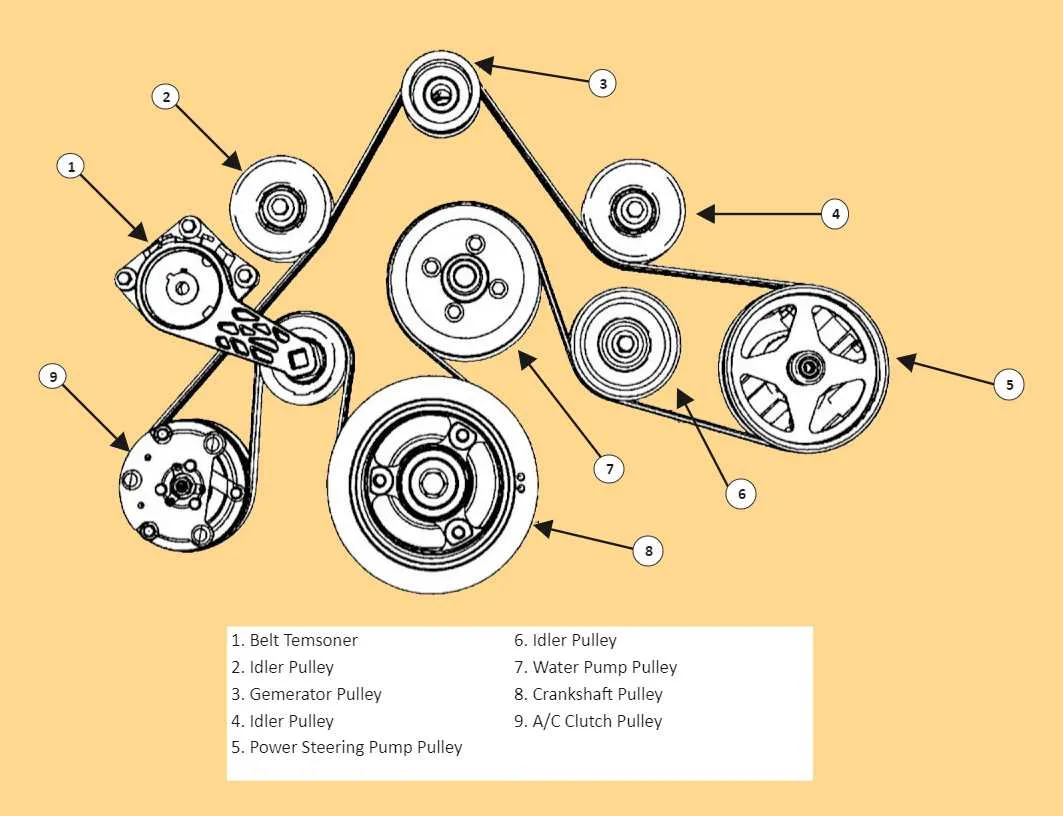
For a 2015 Jeep Patriot, the serpentine belt plays a critical role in driving various engine components like the alternator, power steering pump, and air conditioning compressor. Refer to this guide for the correct belt routing and installation steps.
The serpentine belt routing diagram for this model can usually be found on a sticker located on the front of the engine bay. If the sticker is missing or hard to read, follow these steps:
- The belt should loop around the crankshaft pulley first, positioned at the bottom of the engine.
- From the crankshaft, the belt moves upwards and over the alternator pulley.
- Next, route it over the power steering pump pulley and around the tensioner pulley.
- Finally, the belt should loop around the air conditioning compressor pulley and back to the crankshaft pulley.
Ensure the belt is seated properly in all pulley grooves and that it has the right amount of tension. The belt tensioner maintains the proper tightness; it should not be manually adjusted unless the tensioner is worn or faulty.
If you’re replacing the serpentine belt, it’s a good idea to inspect all the pulleys for wear or damage, especially the tensioner and idler pulleys, as these can affect the belt’s performance.
How to Identify the Correct Serpentine Belt Route on a 2015 Jeep Patriot
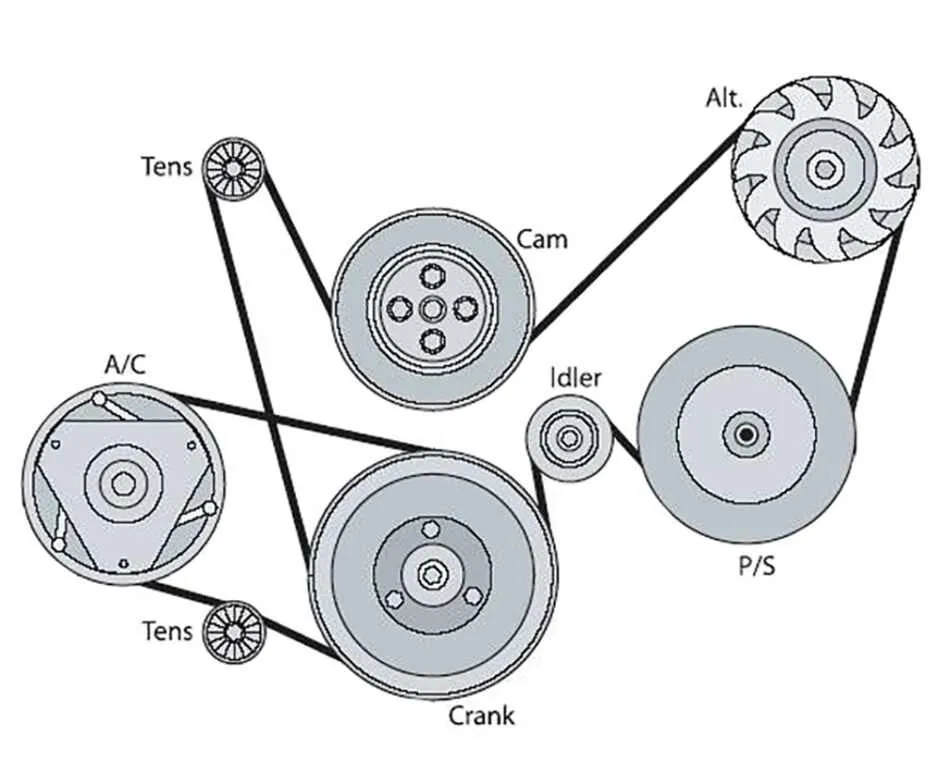
To identify the correct serpentine belt route on a 2015 Jeep Patriot, locate the belt diagram, usually found on the underside of the hood or near the radiator. This diagram shows the exact path the belt should follow around pulleys and components. Ensure the belt wraps around the alternator, power steering pump, air conditioning compressor, and crankshaft pulley as shown in the diagram.
Start by checking the belt’s position relative to the tensioner pulley. It should loop from the crankshaft pulley towards the tensioner, then continue to the components in the correct sequence. Pay special attention to the routing around the alternator and A/C compressor; if these pulleys are misaligned, the belt may not operate correctly, causing engine performance issues.
Make sure the belt fits snugly on all pulleys, with no slack or twisting. The belt should maintain a consistent tension to prevent slipping or wear. If the belt is not routing correctly, compare its position with the diagram and adjust accordingly. If there are signs of wear or damage, replace the belt with a new one, following the same route shown in the diagram.
Double-check the orientation of the belt as you proceed. A properly routed serpentine belt ensures the efficient operation of multiple engine accessories, and any misalignment can lead to mechanical failure or poor vehicle performance.
Step-by-Step Guide to Replacing the Serpentine Belt on a 2015 Jeep Patriot
Disconnect the negative battery terminal to ensure safety while working on the engine.
Locate the serpentine belt by finding the front of the engine. It should be visible near the alternator and power steering pump.
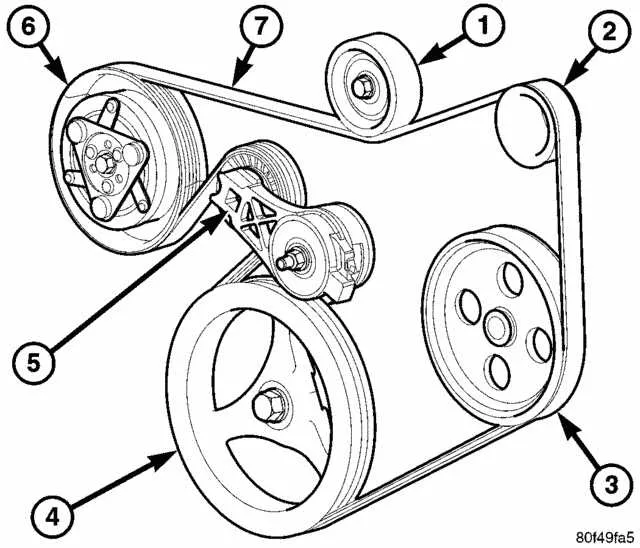
Use a socket wrench to release tension on the serpentine belt by rotating the tensioner pulley counterclockwise. This will relieve the tension, allowing you to remove the belt from the pulleys.
Carefully remove the serpentine belt from the pulleys. Keep track of the belt’s routing for reinstallation, or use the belt routing diagram on the engine bay for reference.
Inspect the pulleys for any signs of damage or wear. If necessary, replace worn-out pulleys before installing the new belt.
Install the new serpentine belt by following the correct routing sequence. Ensure the belt is securely placed on all pulleys, especially around the tensioner and idler pulleys.
Rotate the tensioner pulley counterclockwise again to allow the belt to fit snugly around the pulleys. Ensure the belt is centered in each pulley groove.
Reconnect the negative battery terminal and start the engine. Check the belt’s operation by observing its movement and listening for any unusual sounds.
If the belt operates smoothly and quietly, the replacement is complete. If there are any issues, double-check the belt’s routing and pulley alignment.
Troubleshooting Common Serpentine Belt Issues on a 2015 Jeep Patriot
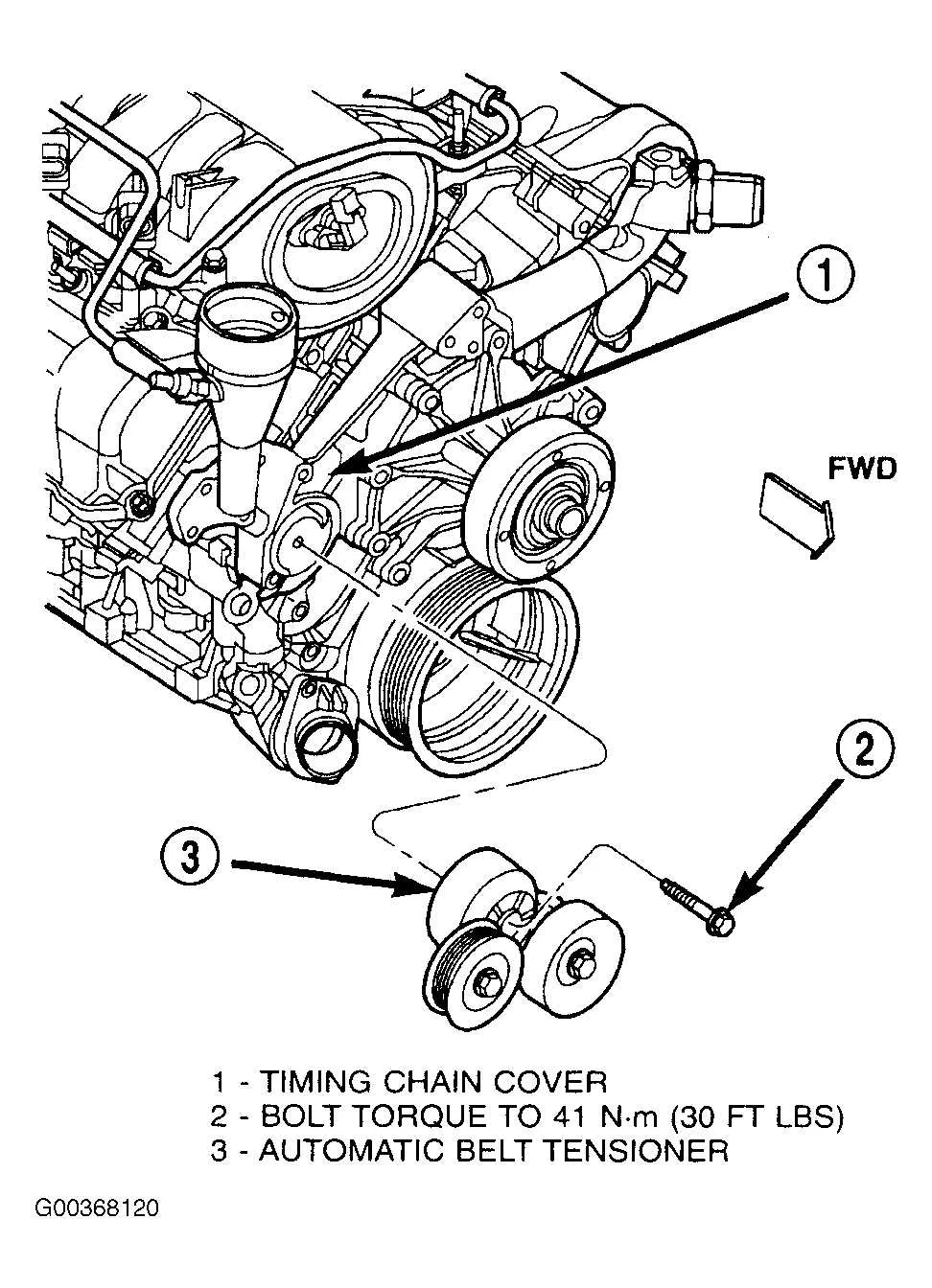
If you notice unusual noises or a loss of power, check the serpentine belt first. A damaged or worn-out belt can affect multiple engine components, including the alternator and power steering pump.
Start by inspecting the belt for visible signs of wear like cracks, fraying, or glazing. These can result in the belt slipping, leading to poor performance. If you find any of these, it’s time to replace the belt.
Listen for squealing noises during engine startup or while driving. This sound often indicates a loose or worn serpentine belt. Use a tension gauge to measure the tension or inspect the belt tensioner. If the tension is too low, replace the tensioner or the belt.
Next, check for proper alignment of the belt with pulleys. Misalignment can cause premature wear or even belt failure. If the pulleys look crooked or damaged, they may need adjustment or replacement.
Lastly, monitor the engine for signs of overheating or poor performance. A slipping serpentine belt may prevent the water pump from circulating coolant properly. If you suspect this, inspect the belt and the water pump for damage.
By addressing these issues promptly, you can avoid costly repairs and keep your 2015 Jeep Patriot running smoothly.