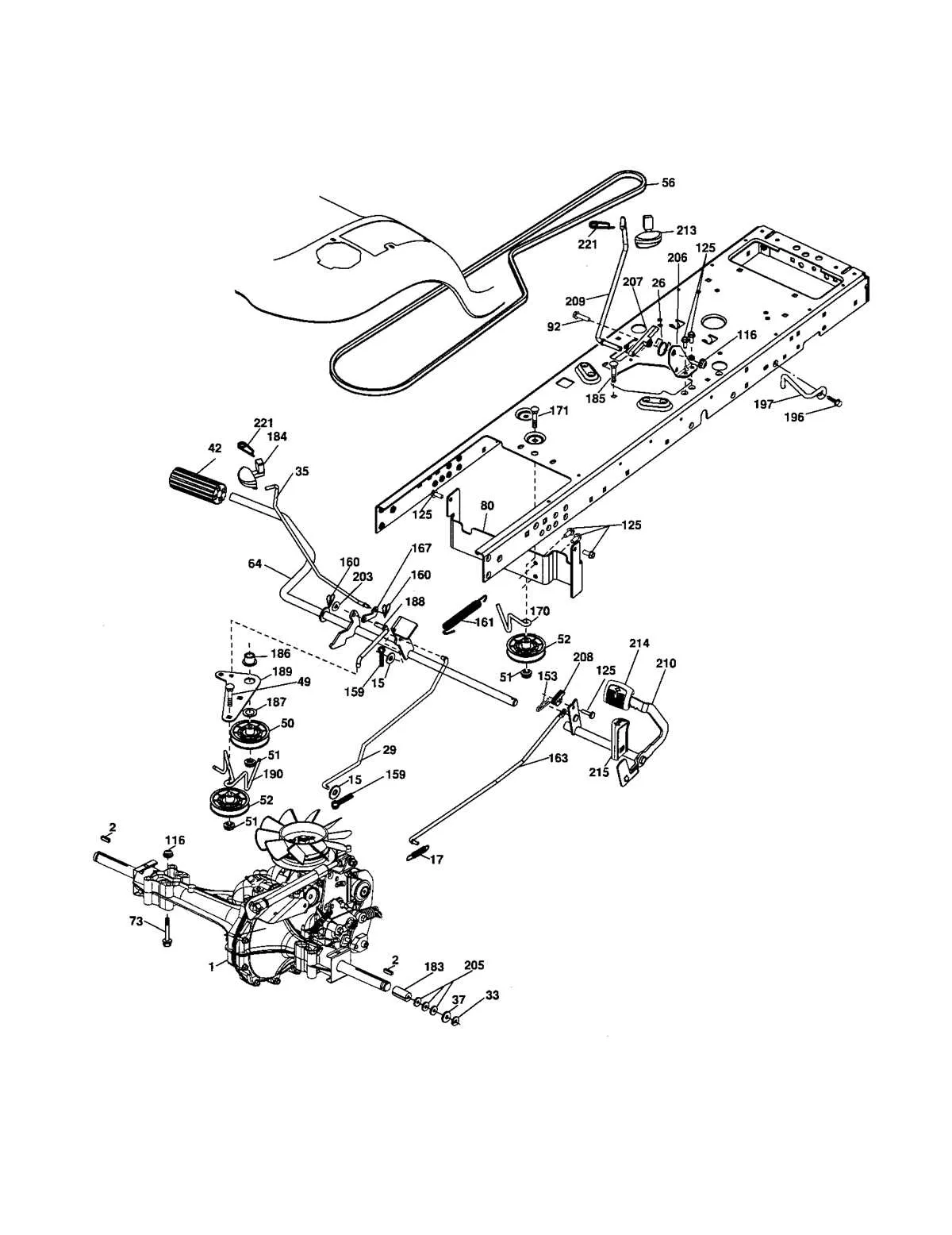
When replacing or maintaining the drive belt on your Husqvarna Z242F, having a clear diagram of the system can save a lot of time and effort. The drive belt is integral to the mower’s operation, transferring power from the engine to the wheels. If you’re experiencing slipping or a lack of movement, it’s often a sign that the belt may be worn or misaligned.
Use this diagram as a reference to ensure proper installation. Start by identifying the correct belt size and type before proceeding with the replacement. Make sure the belt is routed through the pulleys and around the tensioner as shown. Tightening the belt to the correct tension is crucial–too loose or too tight can cause wear and reduce performance.
Be sure to inspect the pulleys and other components for signs of damage while working on the drive belt. Worn pulleys can cause premature wear on the new belt, leading to unnecessary replacements. Refer to the diagram frequently to ensure all parts are in their designated positions.
Husqvarna Z242F Drive Belt Diagram
To replace the drive belt on a Husqvarna Z242F, first, refer to the drive belt diagram to ensure proper routing. This diagram clearly shows the exact path the belt takes around the pulleys and other components.
The drive belt on the Z242F is routed from the engine pulley, through the idler pulley, and to the transmission pulley. It’s crucial that the belt fits snugly into each groove to prevent slippage or excessive wear.
Check for any signs of damage, such as fraying or cracking, before replacing the belt. If the belt is worn out, carefully follow the diagram to replace it. Pay attention to the tensioner pulleys and ensure they are operating smoothly. A malfunctioning pulley can lead to premature wear on the new belt.
Once the belt is in place, manually rotate the pulleys to confirm proper alignment and tension. If everything moves smoothly, you’re good to go. Keep the drive belt diagram close for future maintenance or adjustments to ensure your mower stays in top condition.
Identifying the Correct Drive Belt for Husqvarna Z242F
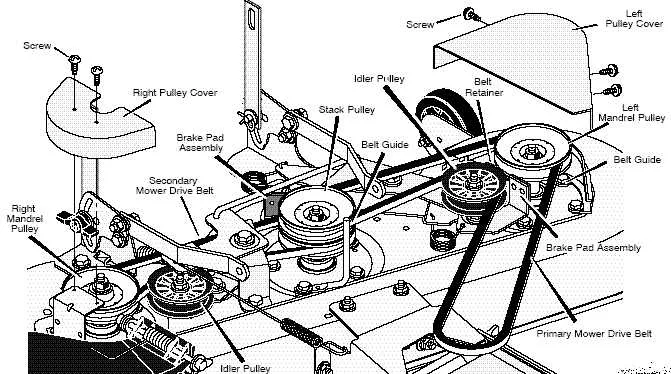
Check the part number first: the correct drive belt for your Husqvarna Z242F is part number 532429379. This belt ensures proper functionality and prevents wear or slipping. Double-check the model year of your mower, as this belt applies to most versions, but verifying is always recommended.
Before replacing, verify the belt’s length and width. The Husqvarna Z242F belt measures approximately 1/2″ wide and 95.5″ long. Using an incorrect size can cause improper tension, leading to poor performance or damage. Compare the old belt’s measurements against the new one to ensure accuracy.
Inspect the belt routing diagram on your mower’s deck to confirm proper installation. Incorrect routing can cause the belt to wear out prematurely or not function at full capacity. The diagram is typically located under the deck or in the owner’s manual.
If you’re unsure about the belt’s condition, check for visible wear, cracks, or fraying. A worn belt can slip or fail to engage the mower’s drive system properly, leading to loss of power or inefficient operation.
Finally, always use a genuine Husqvarna replacement belt. While aftermarket options may seem cheaper, they might not meet the mower’s specific requirements, resulting in decreased performance and potential long-term damage.
Step-by-Step Layout of the Z242F Drive Belt Path
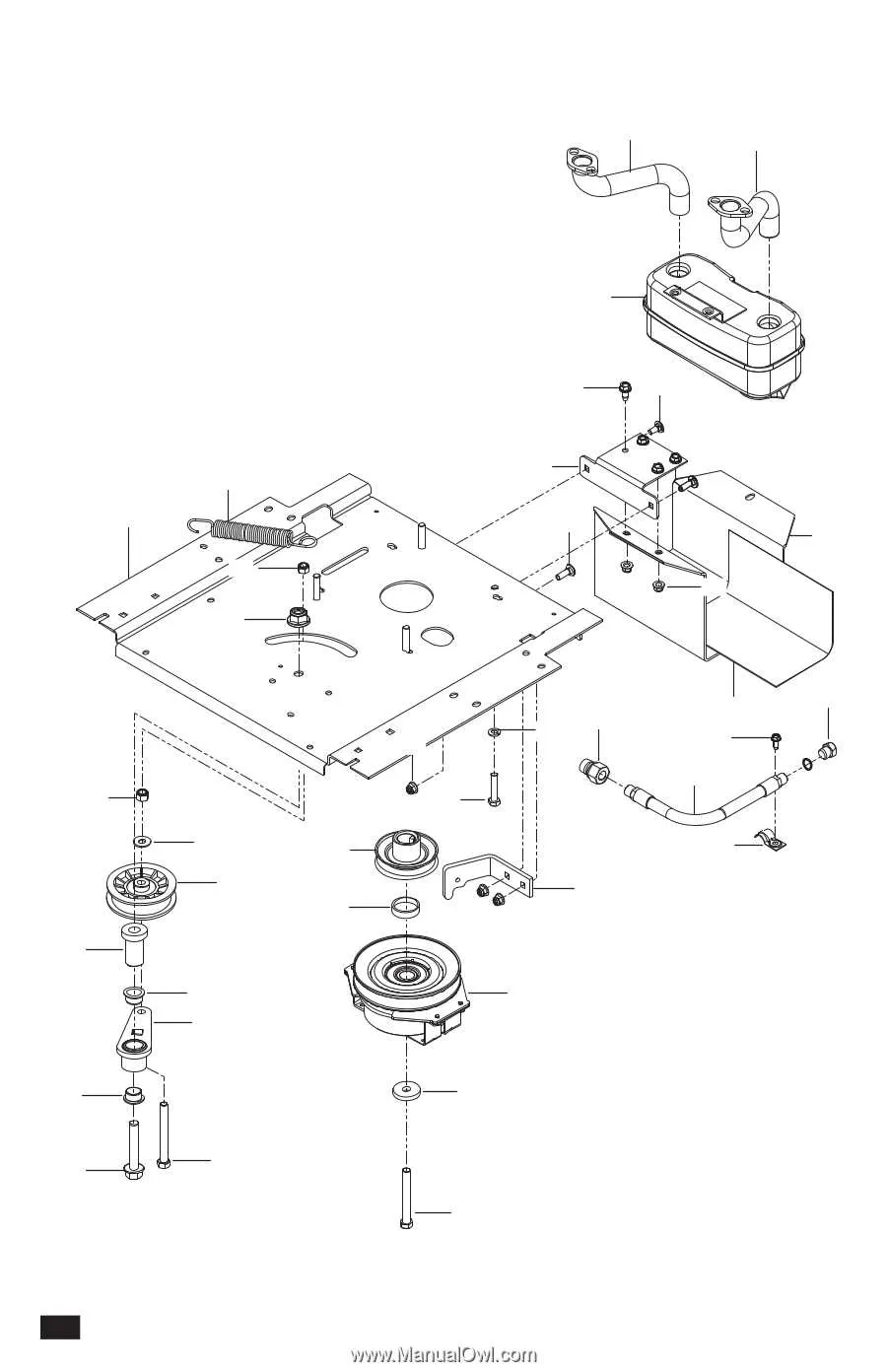
To ensure smooth operation of your Husqvarna Z242F, follow these precise steps to lay out the drive belt path correctly.
- Position the mower: Set the mower on a flat surface. Engage the parking brake and turn off the engine to avoid any accidents.
- Remove the deck: To access the drive belt, you’ll need to remove the mower deck. Unbolt the deck from its mounting points and slide it out from beneath the mower.
- Locate the tensioner: Find the tensioner pulley, usually positioned near the engine. This is where you will begin the path of the drive belt.
- Place the belt on the engine pulley: Run the belt over the engine pulley, ensuring that it sits snugly without slipping off. The engine pulley is located at the center of the machine’s underside.
- Guide the belt to the idler pulleys: Move the belt along the path towards the idler pulleys. Ensure the belt follows the appropriate channels, without twisting or bending.
- Thread the belt through the tensioner pulley: Next, loop the belt over the tensioner pulley. This step is critical as the tensioner will apply the correct tension to the belt during operation.
- Align with the drive pulleys: Position the belt onto the drive pulleys that connect to the wheels. Double-check that the belt is aligned correctly and sits in the grooves of the pulleys.
- Check belt tension: Ensure the belt is taut but not overly tight. You should be able to press the belt down slightly with your fingers. A loose belt can slip, and a tight one will wear out faster.
- Reinstall the mower deck: Once the belt is in place and properly tensioned, slide the mower deck back into position and secure it with the bolts.
- Test the system: Start the mower and check if the belt operates smoothly. Listen for any unusual noises and look for signs of slipping or misalignment.
Following these steps ensures the drive belt is installed correctly and the mower operates efficiently.
Troubleshooting Common Drive Belt Issues on Husqvarna Z242F
If the drive belt on your Husqvarna Z242F is slipping or malfunctioning, inspect for visible wear or damage. A worn belt often appears cracked or frayed, and should be replaced immediately to prevent further damage to the system.
Check belt tension. A loose belt can cause slipping or poor performance. If the belt feels too loose, adjust the tensioner according to the manufacturer’s instructions. Tighten it carefully, avoiding over-tightening which can lead to premature wear of both the belt and pulleys.
Inspect the pulleys for damage or debris. Any obstruction, such as grass or dirt, can hinder proper belt movement. Clean pulleys thoroughly and ensure they rotate smoothly. Worn or damaged pulleys should be replaced to avoid uneven wear on the belt.
Examine the idler arm and spring tension. A broken spring or faulty arm can lead to improper belt operation. If the spring appears damaged or loose, replace it to restore proper belt tension and function.
Check alignment. If the belt is misaligned, it may cause uneven wear or excessive friction. Make sure the belt tracks in a straight line across all pulleys. Realign the pulleys if necessary to ensure the belt moves properly.
If the belt continues to experience issues despite these checks, inspect the belt’s route and make sure it’s installed correctly. A belt that’s installed incorrectly or twisted can quickly wear out or break.