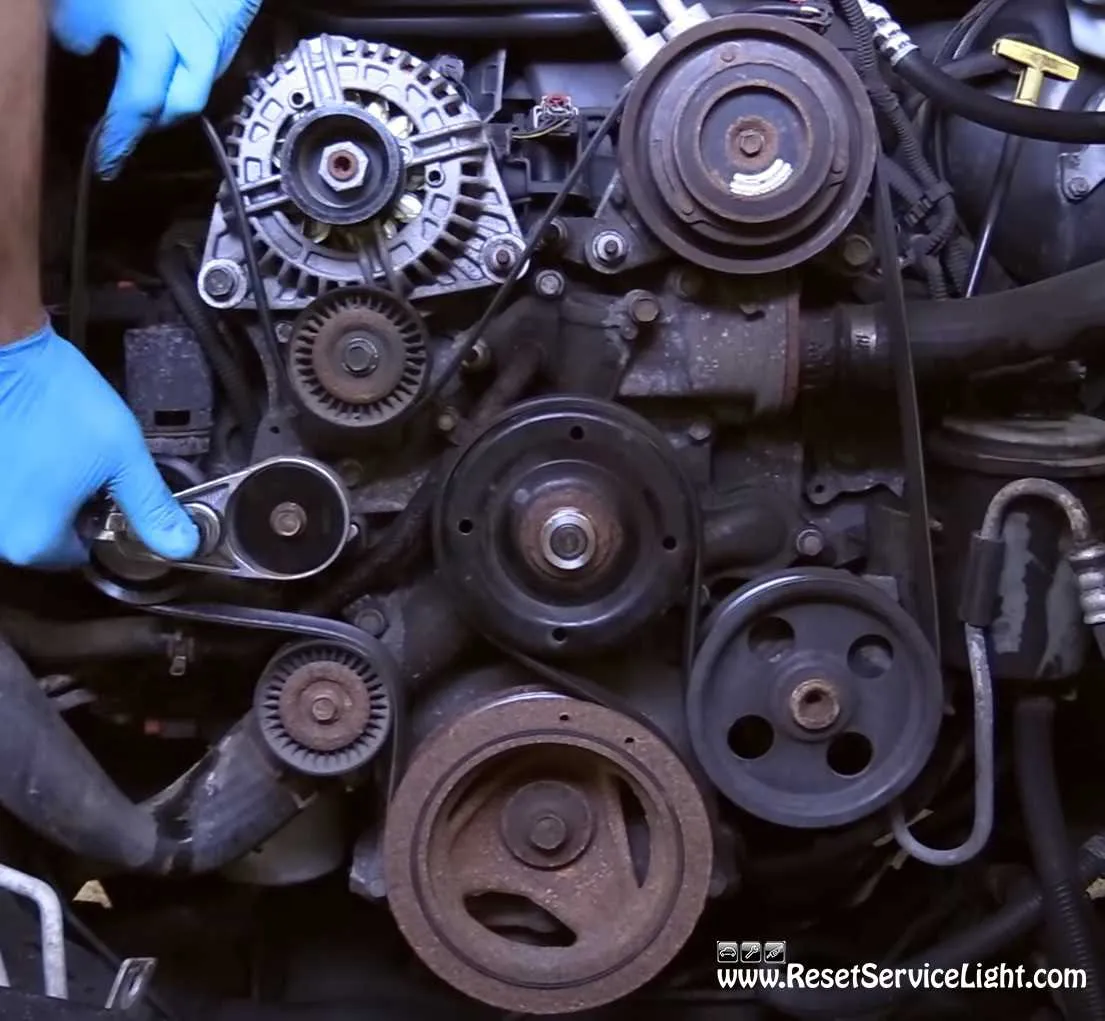
Locate the serpentine belt routing clearly by referring directly to the factory-approved diagram for the 5.7L HEMI engine. Follow the exact path from the crankshaft pulley to the alternator, power steering pump, water pump, and AC compressor to prevent misalignment or premature wear.
Check tensioner placement and belt orientation before installation. The automatic tensioner on the 5.7L ensures consistent tension, but improper seating or twisted belt loops can cause noise, slipping, or accessory failure. Align the belt with all grooves to maintain optimal performance.
Use proper tools and replacement parts when handling the belt. A reliable serpentine belt tool or long-handled wrench helps release the tension safely, while OEM or high-quality aftermarket belts match the engine’s specifications precisely. Avoid forcing the belt onto pulleys to reduce the risk of damage.
Inspect pulleys and components during replacement. Look for cracks, glazing, or misalignment in the alternator, idlers, and tensioner. Even minor pulley damage can reduce belt life and affect engine accessories, making visual inspection alongside the diagram a practical preventive measure.
Keep a reference copy of the belt diagram in your glove compartment or repair notes. Quick access prevents errors during future maintenance or emergency repairs, allowing you to restore proper routing efficiently and avoid unnecessary engine downtime.
2010 Ram 5.7 Belt Diagram
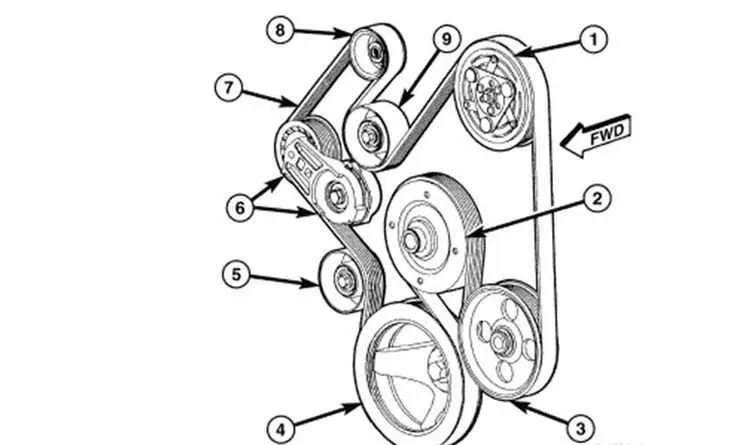
Follow the belt routing diagram precisely to prevent engine damage and maintain proper accessory operation. The 5.7L HEMI V8 uses a serpentine belt that drives the alternator, water pump, power steering pump, and air conditioning compressor.
For the 2010 Ram 5.7L, the routing sequence is:
- Crankshaft Pulley: Starts the belt at the bottom center.
- Water Pump: Belt moves upward from the crankshaft to the water pump.
- Alternator: Next, the belt wraps around the alternator on the top left.
- AC Compressor: Belt travels to the lower right to drive the AC compressor.
- Power Steering Pump: Moves from AC compressor to the power steering pump.
- Tensioner: Passes over the tensioner pulley to maintain proper tension throughout the system.
Check the belt alignment visually before starting the engine. Ensure the tensioner applies correct pressure; a loose or misaligned belt can slip, causing overheating or charging issues. Replace worn or cracked belts immediately, and apply proper torque to the tensioner bolt when reinstalling.
Keep a printed or digital diagram in the vehicle for reference. Following the exact routing reduces downtime and extends the life of all driven components.
Locating and Identifying All Belts on a 2010 Ram 5.7 Engine
Locate the serpentine belt at the front of the engine, wrapping around the alternator, power steering pump, water pump, and A/C compressor. Check the belt for cracks or fraying while the engine is off and cool. Identify the belt tensioner on the passenger side; it maintains proper tension and allows removal using a 3/8-inch ratchet.
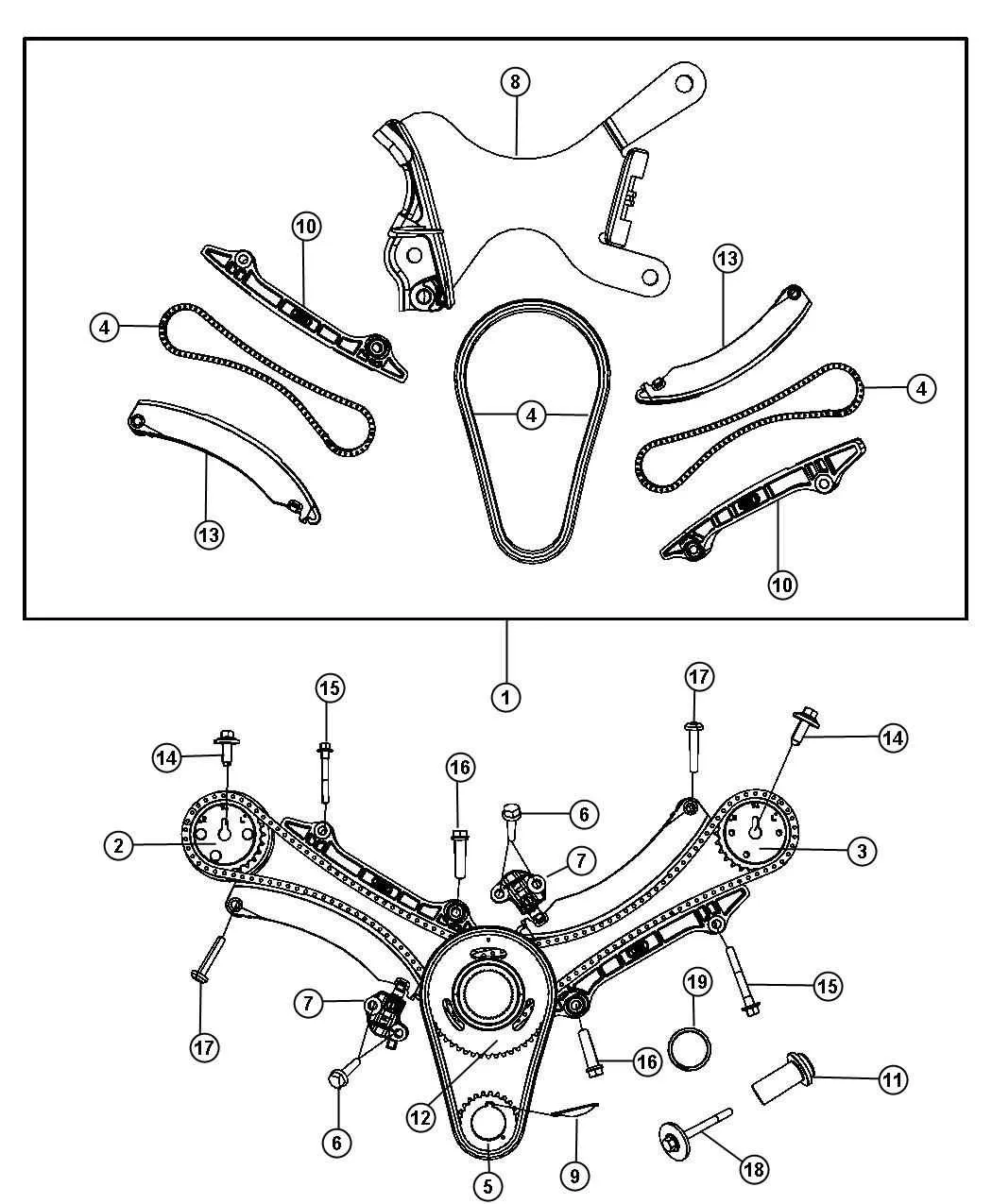
The timing chain does not require a conventional belt but runs inside the engine, connecting the crankshaft to the camshaft. Access requires removing the front cover and harmonic balancer, so inspect only if signs of noise or performance issues appear.
Confirm the routing by following the diagram stamped on the radiator support or on a sticker near the serpentine belt. Each pulley–alternator, water pump, crankshaft, power steering, and A/C–should match the diagram exactly. Use the diagram to ensure correct installation after replacement.
Check for the auxiliary belt driving accessories like the air pump if equipped. Its smaller size and single-loop routing make it easier to spot and remove. Inspect for wear and replace alongside the main serpentine belt to maintain consistent performance.
Step-by-Step Guide to Reading the 2010 Ram 5.7 Serpentine Belt Diagram
Locate the serpentine belt diagram, usually found on the underside of the hood or in the owner’s manual. Verify the diagram corresponds to the 2010 Ram 5.7 HEMI engine to avoid mismatches with other engine configurations.
Identify each pulley on the diagram: crankshaft, alternator, water pump, power steering pump, air conditioning compressor, and idler pulleys. Each component is represented with a clear circular symbol and labeled abbreviation.
Trace the belt path, following arrows or lines connecting the pulleys. Note whether the belt loops over or under each pulley; this direction affects tension and function.
Compare the diagram with the actual engine layout. Check the orientation of the pulleys and confirm distances between components match the diagram. Look for alignment marks on the crankshaft and tensioner pulley for proper positioning.
Focus on the belt tensioner. The diagram usually indicates its location with a spring-loaded symbol. Use a wrench or tensioner tool to release tension, ensuring the belt slides smoothly onto or off the pulleys according to the diagram.
Verify that the belt is seated correctly on each pulley groove. Misalignment can cause squeaking, premature wear, or belt failure. Cross-check with the diagram to ensure every loop and wrap matches the illustration.
Double-check routing after installation. Start the engine briefly and observe the belt movement. Confirm that the belt rotates smoothly and maintains proper tension as shown in the diagram.
Replacing or Routing the Serpentine Belt on a 2010 Ram 5.7
Release tension from the belt by rotating the tensioner clockwise using a 3/8-inch ratchet or breaker bar. Remove the old serpentine belt carefully, noting its path across the pulleys.
Inspect all pulleys for wear or misalignment. Check the tensioner for smooth movement and the idler pulleys for excessive play. Replace any worn components before installing the new belt.
Route the new belt following the factory diagram, starting from the crankshaft pulley. Ensure the belt sits properly in each pulley groove, maintaining alignment with the water pump, alternator, power steering, and A/C pulleys.
Rotate the tensioner again to slip the belt over the final pulley. Slowly release the tensioner, allowing it to apply pressure to the belt. Verify that the belt tracks correctly on all pulleys and there are no twists or misalignments.
Run the engine briefly and observe the belt in motion. Listen for unusual noises such as squealing or chirping, which may indicate misrouting or a loose pulley. Adjust if necessary to maintain proper operation and longevity of the belt system.