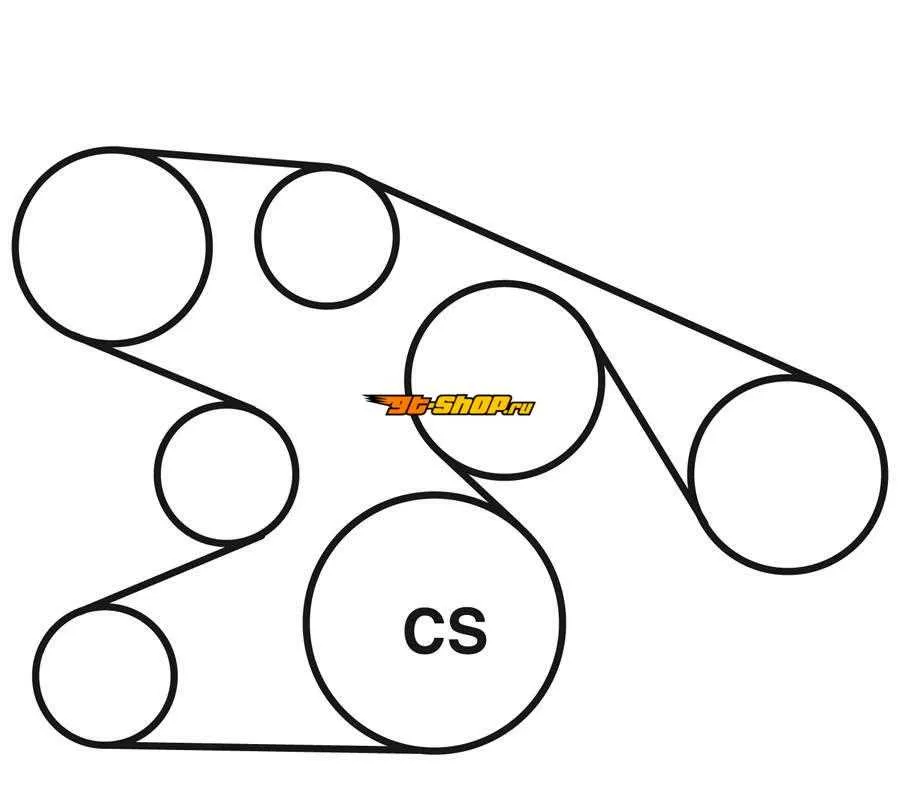
The serpentine belt in the 2006 Mustang GT is a crucial component that powers several engine accessories, including the alternator, power steering pump, and air conditioning compressor. It is important to follow the correct routing for optimal performance and prevent potential engine damage.
First, ensure that you identify the correct belt size and tension specifications for your vehicle. A worn-out or improperly routed belt can cause loss of power to key engine components. For the 2006 Mustang GT, the recommended serpentine belt length is typically around 94.5 inches. Make sure to double-check the specific model of your vehicle for any variations.
Before replacing the serpentine belt, release the tension on the belt tensioner using a wrench or serpentine belt tool. Carefully route the new belt according to the diagram, making sure it fits snugly into the grooves of all pulleys. Incorrect routing or misalignment can lead to rapid wear or even belt failure.
Once the belt is properly installed, check the tension. The belt should be tight but not overly stretched. A good rule of thumb is to ensure that you can’t press down more than half an inch on the longest stretch of the belt.
2006 Mustang GT Serpentine Belt Diagram
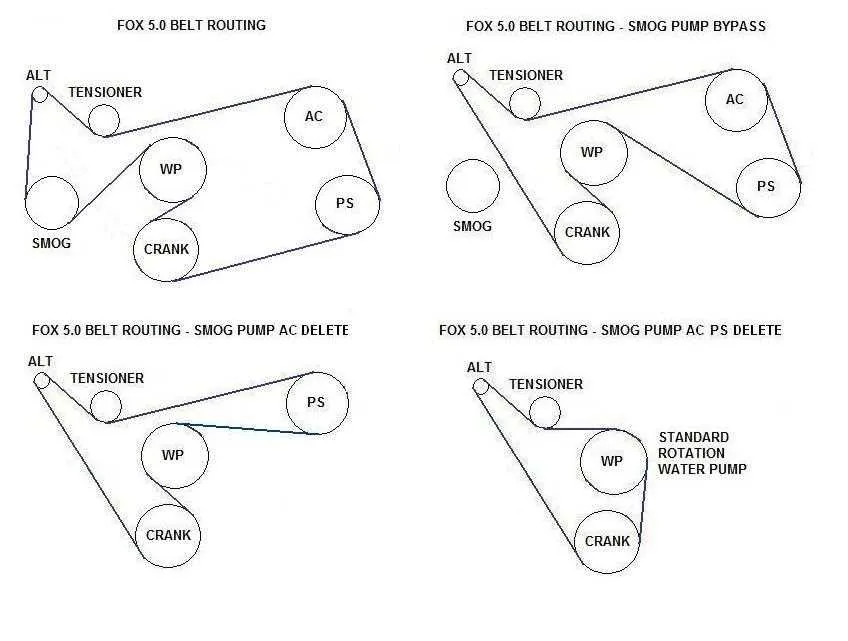
The serpentine belt in the 2006 Mustang GT is crucial for driving various engine components like the alternator, power steering pump, and air conditioning compressor. The diagram for the serpentine belt layout ensures that each part is correctly aligned for optimal performance.
First, locate the tensioner pulley on the diagram. This is the key to adjusting the belt’s tightness. Use a socket wrench to rotate it and relieve tension, which allows you to remove the old belt and install the new one. Be sure to check for any wear or cracks in the belt before replacing it.
The belt follows a specific route over pulleys, ensuring smooth operation of the accessories. It loops over the crankshaft pulley, moves over the water pump pulley, and then over the alternator pulley. The arrangement needs to be exact to prevent slippage or damage to the engine components. Check the belt routing diagram frequently during installation to verify the correct setup.
Finally, after installing the new belt, manually rotate the engine or turn the belt with your hand to ensure everything is aligned properly. If the belt doesn’t rotate smoothly or feels loose, adjust the tensioner again. A correctly installed serpentine belt minimizes engine stress and maximizes the longevity of connected components.
Identifying the Components of the 2006 Mustang GT Serpentine Belt System
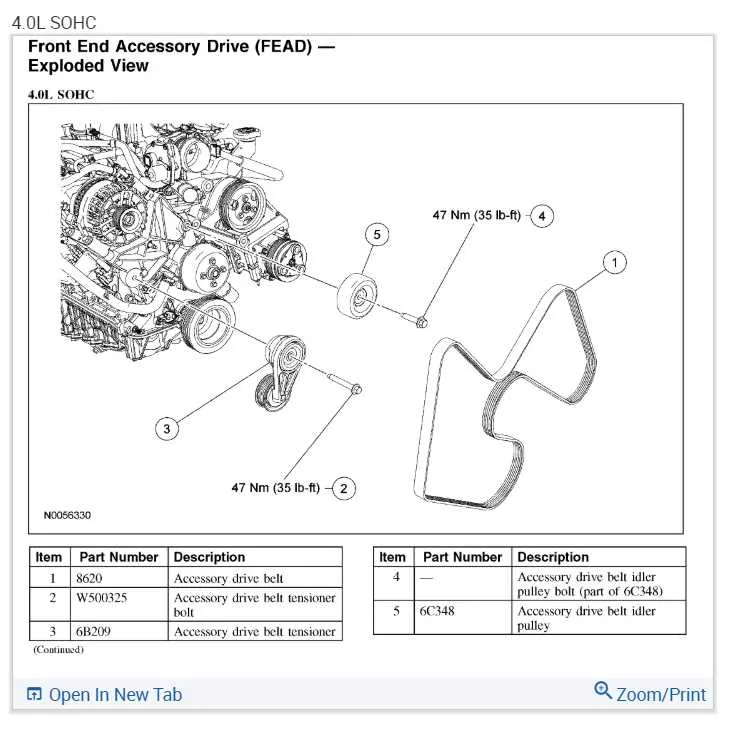
To maintain the serpentine belt system in your 2006 Mustang GT, you need to familiarize yourself with the main components. Here’s a breakdown:
- Serpentine Belt: The main component, this long belt is responsible for driving multiple accessories like the alternator, power steering pump, water pump, and air conditioning compressor.
- Idler Pulley: Keeps the belt tensioned and guides it along the correct path.
- Tensioner Pulley: Adjusts tension on the belt to prevent slipping. This component is crucial for maintaining optimal operation.
- Alternator: Powered by the serpentine belt, it generates electricity for the electrical system of the vehicle.
- Power Steering Pump: Uses the serpentine belt to operate, making steering easier by circulating fluid through the system.
- Water Pump: Vital for circulating coolant throughout the engine, helping regulate the engine’s temperature.
- Air Conditioning Compressor: Works with the serpentine belt to pressurize refrigerant for the air conditioning system.
Ensure all components are in good condition to avoid belt wear and premature failure. Regular inspection and proper tensioning are key to longevity.
Step-by-Step Guide to Replacing the Serpentine Belt on a 2006 Mustang GT
Start by securing your Mustang GT on a flat surface and turning off the engine. Let the vehicle cool down before you begin the process to avoid burns from hot engine components.
Locate the serpentine belt tensioner. It’s on the front of the engine and can be found near the alternator or power steering pump. Use a socket wrench to relieve the tension on the belt by rotating the tensioner counterclockwise.
Once the tension is released, carefully remove the belt from the pulleys. Make a note of how the belt is routed to ensure you install the new one correctly. You can refer to the belt routing diagram usually found near the radiator or on the engine cover.
Before installing the new belt, inspect the pulleys for any signs of wear or damage. Spin them manually to check for smooth operation. If any pulley seems faulty, replace it before continuing.
Install the new serpentine belt by following the routing diagram. Ensure the belt sits properly in each pulley groove without any twists or misalignments.
Once the belt is in place, rotate the tensioner clockwise with your socket wrench to apply tension to the new belt. Double-check the belt’s alignment on all pulleys to confirm it is secure.
Start the engine and listen for any unusual noises that could indicate improper installation. Check the belt’s tension and alignment once again to ensure it operates smoothly.
If everything looks good, you’re done! The serpentine belt replacement on your 2006 Mustang GT is complete.
Troubleshooting Common Issues with the 2006 Mustang GT Serpentine Belt
If the serpentine belt on your 2006 Mustang GT is slipping, check the tension. A loose belt can result in poor performance and potential damage to accessories. Verify that the tensioner is working properly and consider replacing it if it’s worn out.
Examine the belt for cracks, fraying, or other signs of wear. A damaged belt can cause the engine to overheat or lead to the failure of components like the alternator and power steering pump. Replace the belt immediately if any damage is found.
Noisy belts are often caused by improper alignment or wear on pulleys. Inspect the pulleys for debris or rust that could disrupt smooth operation. Lubricate or replace pulleys as needed to ensure the belt operates quietly.
Sticking or hard-to-move tensioners are another common issue. If the tensioner fails to maintain proper tension, it may lead to a loose or misaligned belt. Replacing the tensioner ensures that the belt stays tight and avoids damaging other engine components.
If the serpentine belt continues to wear out quickly, check for any misalignment in the belt path. An improperly routed belt or worn pulleys can cause premature wear. Re-route the belt as necessary or replace damaged components.
Finally, if the vehicle is experiencing poor charging or overheating, inspect the alternator pulley for any issues. A malfunctioning alternator pulley can result in the belt slipping and not properly charging the battery.