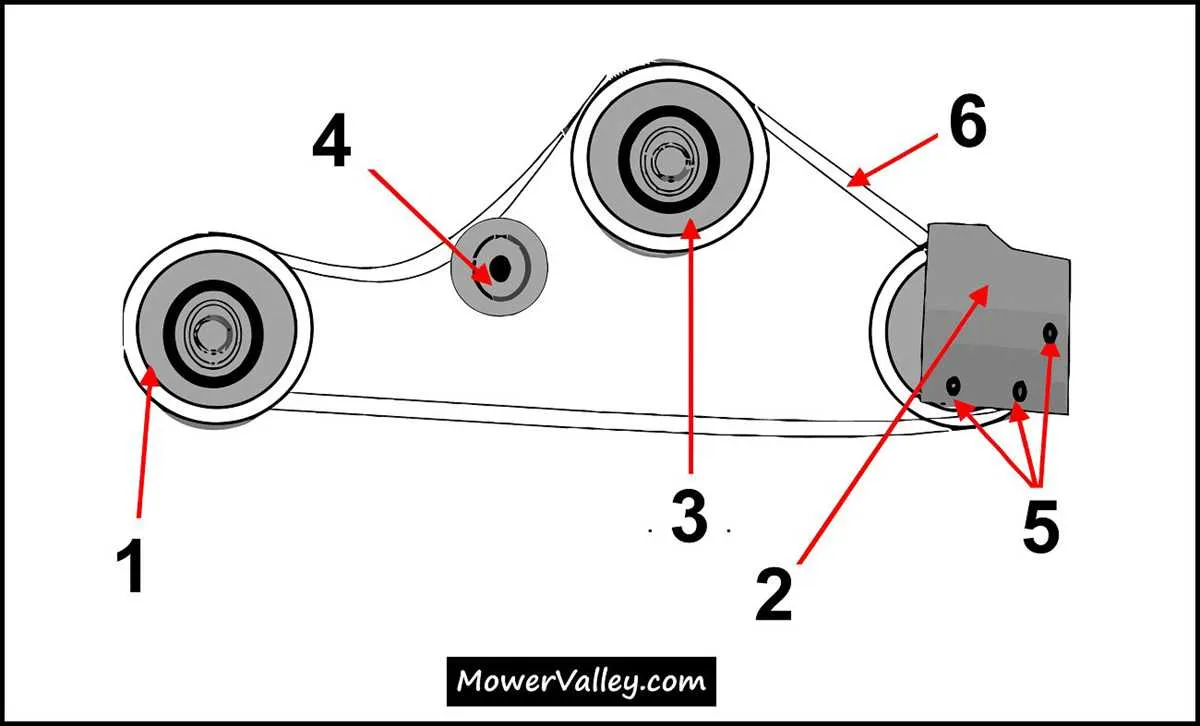
Locate the correct transmission belt routing for your Craftsman model to ensure smooth operation and prevent premature wear. Refer to the diagram that matches your mower or tractor model number to verify the proper path over pulleys and tensioners. Incorrect belt placement can cause slipping, reduced performance, or damage to the transmission components.
Check the belt condition regularly for cracks, fraying, or stretching. Replace the belt immediately if any wear signs are present to maintain consistent power transfer. Align the belt with pulleys according to the diagram to avoid misalignment that could shorten belt life.
Use the diagram to identify each pulley, tensioner, and idler in your Craftsman transmission system. Follow the exact sequence shown to install or remove the belt safely. Keep hardware like springs or bolts in place during maintenance to maintain proper tension and avoid operational issues.
Craftsman Transmission Belt Diagram Practical Guide for Accurate Installation
Begin by confirming the exact Craftsman model and engine type to select the correct transmission belt diagram. Using the wrong diagram can cause misalignment and premature wear.
Locate the main pulleys: engine pulley, idler pulleys, and transmission input pulley. Compare each pulley position with the diagram and ensure rotation direction matches the guide.
Route the belt over the pulleys according to the diagram, maintaining proper tension on each segment. Avoid twisting the belt; it should sit flat in each pulley groove.
Check the belt alignment visually from multiple angles. The edges of the belt should align perfectly with the pulley sides, preventing slippage or noise during operation.
Tighten the tensioner gradually, following the torque specification provided for your model. Test rotation by hand before starting the engine to ensure smooth movement without binding.
Inspect for any obstructions or debris that might interfere with belt movement. Confirm all bolts and brackets are secure, and double-check the routing against the diagram for accuracy.
After initial operation, recheck tension and alignment. Minor adjustments can prevent long-term wear and maintain consistent performance across all transmission cycles.
Identify and Locate All Transmission Belt Components on Craftsman Models
Locate the main transmission pulley at the engine base; this is where the belt originates and wraps around the drive system. Ensure the pulley grooves align with the belt ribs for proper tension.
Check the idler pulley next. On most Craftsman models, it sits near the center of the deck, maintaining belt tension and guiding it along the correct path. Rotate it manually to verify smooth operation.
Identify the tensioner assembly. Typically positioned adjacent to the idler, it adjusts automatically to keep consistent belt pressure. Inspect the tensioner arm and spring for wear or misalignment.
Locate the deck pulleys that drive the mower blades. Craftsman models often have two or three, depending on deck size. Confirm the belt wraps snugly around each pulley without slack or crossing.
Spot the engine flywheel pulley if accessible. This pulley connects the engine crankshaft to the transmission system. Ensure the belt engages all flywheel pulley grooves completely.
Identify the transaxle input pulley. It usually sits on the transmission housing and transfers motion from the belt to the wheels. Check for secure mounting and smooth rotation.
Trace the complete belt path visually before installation:
- From engine pulley to idler pulley
- From idler to tensioner assembly
- From tensioner to deck pulleys
- From deck pulleys back to engine pulley
- Ensure transaxle input pulley is engaged along the path
Mark each pulley location with tape or chalk if necessary to prevent incorrect routing. Confirm all pulleys spin freely and the belt sits flat in the grooves.
Read and Interpret Craftsman Transmission Belt Diagrams Correctly
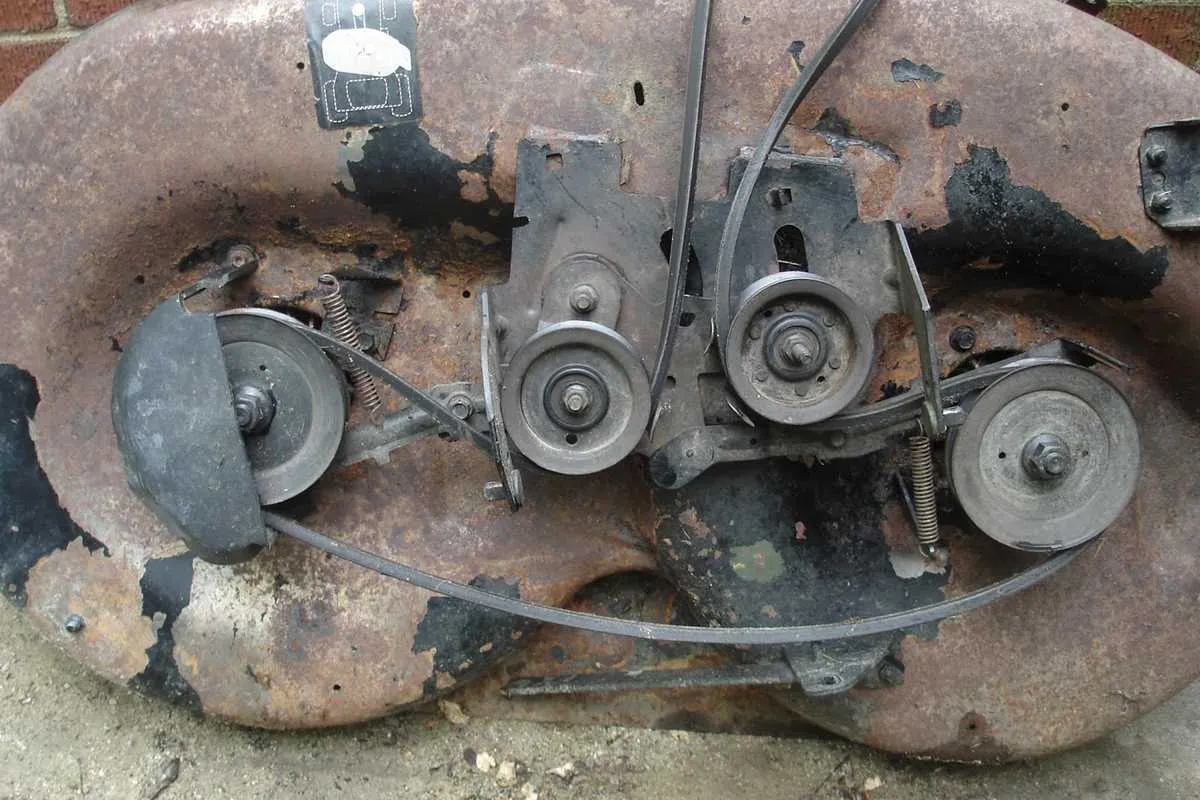
Locate the diagram on your Craftsman model and identify each labeled pulley, tensioner, and idler. Check the belt routing path carefully, noting which pulleys sit at the front and rear of the engine assembly.
Follow the arrows and numbering: Craftsman diagrams use arrows to indicate belt direction and numbers to mark the sequence of pulleys. Track these references step by step to prevent incorrect installation.
Verify pulley orientation: Some pulleys have flanges or directional grooves. Ensure the belt fits precisely into these grooves as shown in the diagram to maintain proper alignment and avoid slipping.
Compare the diagram to the actual machine components. Measure distances between pulleys if specified, and check belt tensioner positions. Misreading these details can cause uneven wear or transmission issues.
Use the diagram to trace the belt from the drive pulley through all intermediate pulleys to the driven components. Confirm that the belt wraps around tensioners correctly, maintaining the recommended contact angle for smooth power transfer.
Keep the diagram accessible during installation. Mark any critical points, such as tensioner adjustment slots or pulley idler positions, so you can replicate the diagram exactly on the machine.
After installation, rotate the system manually to confirm the belt follows the diagram path without interference. Small deviations can lead to slipping or premature belt damage, so precise adherence ensures reliable operation.
Step-by-Step Transmission Belt Replacement and Adjustment Procedures
Begin by disconnecting the mower or tractor from its power source to ensure safety. Remove any protective covers or guards around the transmission area using the appropriate socket or wrench set.
Locate the belt routing diagram on the Craftsman model. Compare the existing belt path with the diagram to identify correct pulley positions and belt orientation.
Loosen the tensioner pulley by turning the adjustment bolt counterclockwise. Slide the old belt off the pulleys carefully, noting its routing for reference.
Inspect all pulleys for wear, cracks, or debris. Clean pulley surfaces with a dry cloth and replace any damaged components before installing the new belt.
Place the new belt over the pulleys following the diagram. Ensure the belt sits fully in each pulley groove and aligns correctly with the transmission, engine, and idler pulleys.
Tighten the tensioner pulley by turning the adjustment bolt clockwise until the belt has proper tension. The belt should deflect approximately ½ inch when pressed midway between pulleys.
Rotate the pulleys by hand to confirm smooth movement and proper belt alignment. Check for rubbing or slipping along the edges.
Reinstall any removed guards or covers. Test the machine under low load conditions to verify that the belt engages all components correctly and maintains tension throughout operation.